- Archaeological News
-
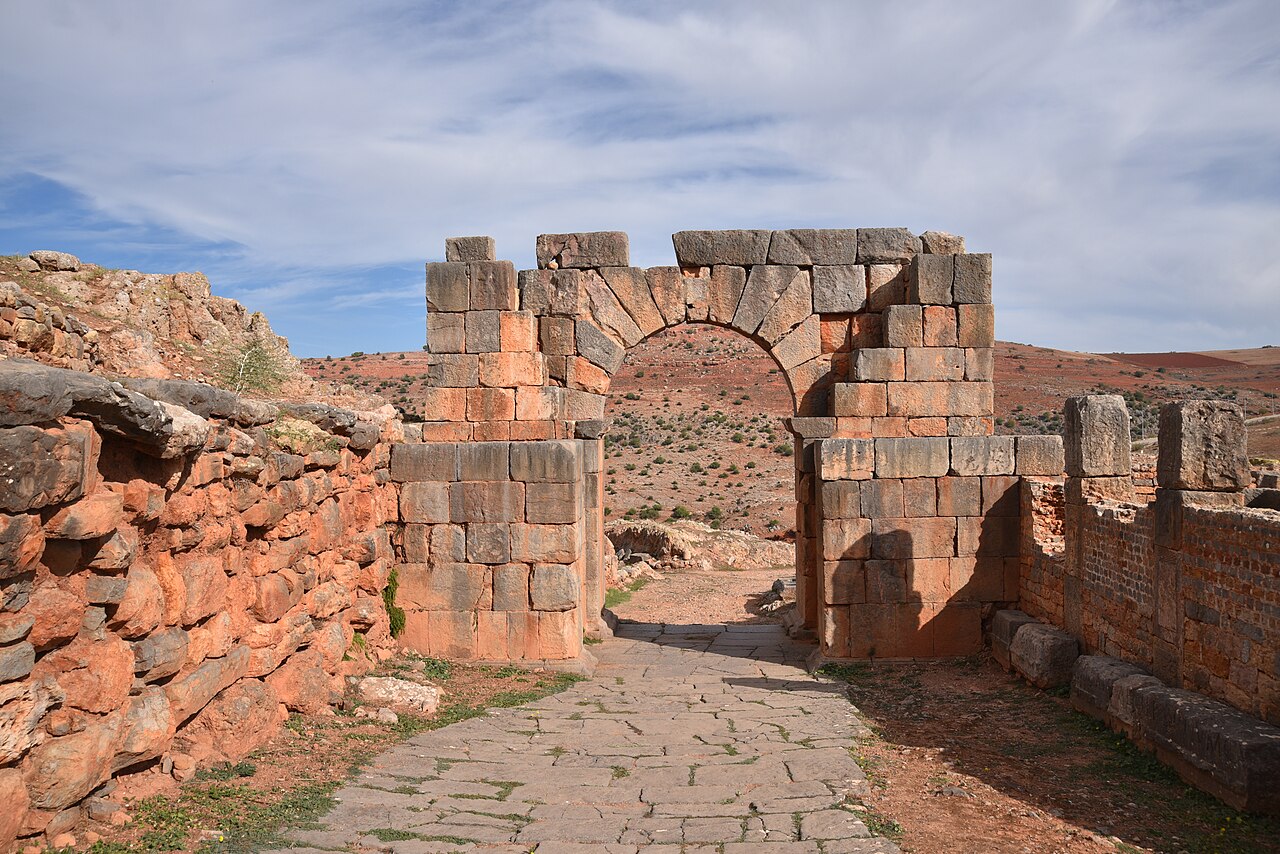
 Ruins of Castellum Tidditanorum (Tiddis) in Numidia, present-day Algeria. Tiddis was among the regional centres producing African Red Slip pottery for local markets during Late Antiquity.
Image Credit:
Carole Raddato, CC BY-SA 2.0, via Wikimedia Commons
Ancient Tablets Reveal the Economic Lives of North African Peasants
A collection of wooden tablets written more than 1,500 years ago is offering a more complex picture of rural life in late antique North Africa. Rather than depicting peasants simply as impoverished tenants trapped in a collapsing economy, a recent reassessment highlights households that adjusted their landholdings, paid taxes and rents, sold agricultural surplus and made strategic decisions as family circumstances changed.
The discussion appears in a 2026 review in the Journal of Roman Archaeology of Paolo Tedesco’s 2025 book Living at the Margins: African Peasants in an Age of Extremes, 300–900 CE. At the centre of the book are the Albertini tablets, an archive of 45 wooden documents written in Latin and associated with a rural estate known as the Fundus Tuletianos in southern Numidia, near the modern border between Algeria and Tunisia.
The tablets include contracts for land sales, leases, wills and lists of dowry property. Earlier scholarship often interpreted them as evidence of a rural population in steady decline, with increasingly poor farmers forced to surrender small plots as the wider economy contracted. Tedesco proposes a different reading. His reconstruction identifies a community of more than 250 peasants of varying status, ranging from tenants to small landowners, with some individuals occupying both positions at the same time. A household might lease additional plots when children grew and more labour became available, then give up those leases when sons married and left. Landholding therefore expanded and contracted with changes inside the family rather than following a simple pattern of increasing poverty.
This flexibility is one of the most striking aspects of the reassessment. Some plots were extremely small, occasionally containing only a single olive or almond tree. Yet these transactions show households actively buying, selling and reorganising access to land. At the poorest end of the community, some people exchanged labour for temporary rights to cultivate plots, while others could rise socially over time. The reviewer notes examples in which sons of illiterate fathers acquired land, became literate and emerged as respected members of the community.
The economy was nevertheless demanding. The region received less than 200 millimetres of rainfall annually, so cultivation depended on careful water management and significant labour. Households appear to have grown combinations of grain, vegetables and tree crops, while olive oil—and perhaps dried figs and almonds—provided some of the main products that could be sold beyond subsistence needs.
Taxes were another constant pressure. Under Roman rule, North African agriculture was deeply connected to the state through taxation and the annona, the system that supplied Rome with food. After the Vandal conquest, some of those structures changed. Grain and olive oil that had once moved to Rome through taxation increasingly became commercial crops, while peasants appear to have paid taxes through landowners rather than through municipal officials.
On the Fundus Tuletianos, peasants owed both rent and taxes. Landowners acted as intermediaries between rural households and the state, using literacy, accounting and local knowledge to calculate and collect what was due. Yet Tedesco also emphasises what he calls a “moral economy”: customary rights and obligations that prioritised the survival of the family and helped shape relations within the community.
The review, however, also points to major gaps. The tablets say almost nothing about where the peasants actually lived. They may have occupied a sizeable settlement at Henchir ed-Debine, possibly alongside the estate owners, but the archaeological evidence remains uncertain. Nor do the documents tell us enough about women’s economic roles. Textile production, probably carried out largely by women, may have contributed significantly to household income, yet it is almost invisible in the surviving written record.
The broader picture also varied across North Africa. Coastal districts and the Mejerda valley could remain productive into the Byzantine period, while some inland and frontier regions experienced severe settlement decline, insecurity and shrinking markets. By the sixth century, parts of Numidia show little evidence for the long-distance circulation of fine pottery, suggesting that some rural economies had become increasingly regional or local.
The Albertini tablets therefore do not describe a simple story of collapse. Instead, they reveal rural households negotiating taxes, rents, labour, inheritance and markets within a changing political world.
For the peasants of late antique Numidia, survival depended not only on what they grew, but on how successfully families adjusted land, labour and social relationships as Roman, Vandal and later Byzantine systems changed around them.
Published on: 04-11-2026
Edited by: Abdulmnam Samakie
Source: Journal of Roman Archaeology