- Archaeological News
-
 Image Credit:
Gerhard302, CC BY-SA 4.0, via Wikimedia Commons
Image Credit:
Gerhard302, CC BY-SA 4.0, via Wikimedia Commons
Ancient Porridge Traditions Reveal Africa’s Culinary Continuity
A new study explores the long history of porridge-based cuisine in South Central Africa, arguing that this food tradition should be understood not only as subsistence, but also as a cultural expression shaped by ecology, taste, technology, and social identity.
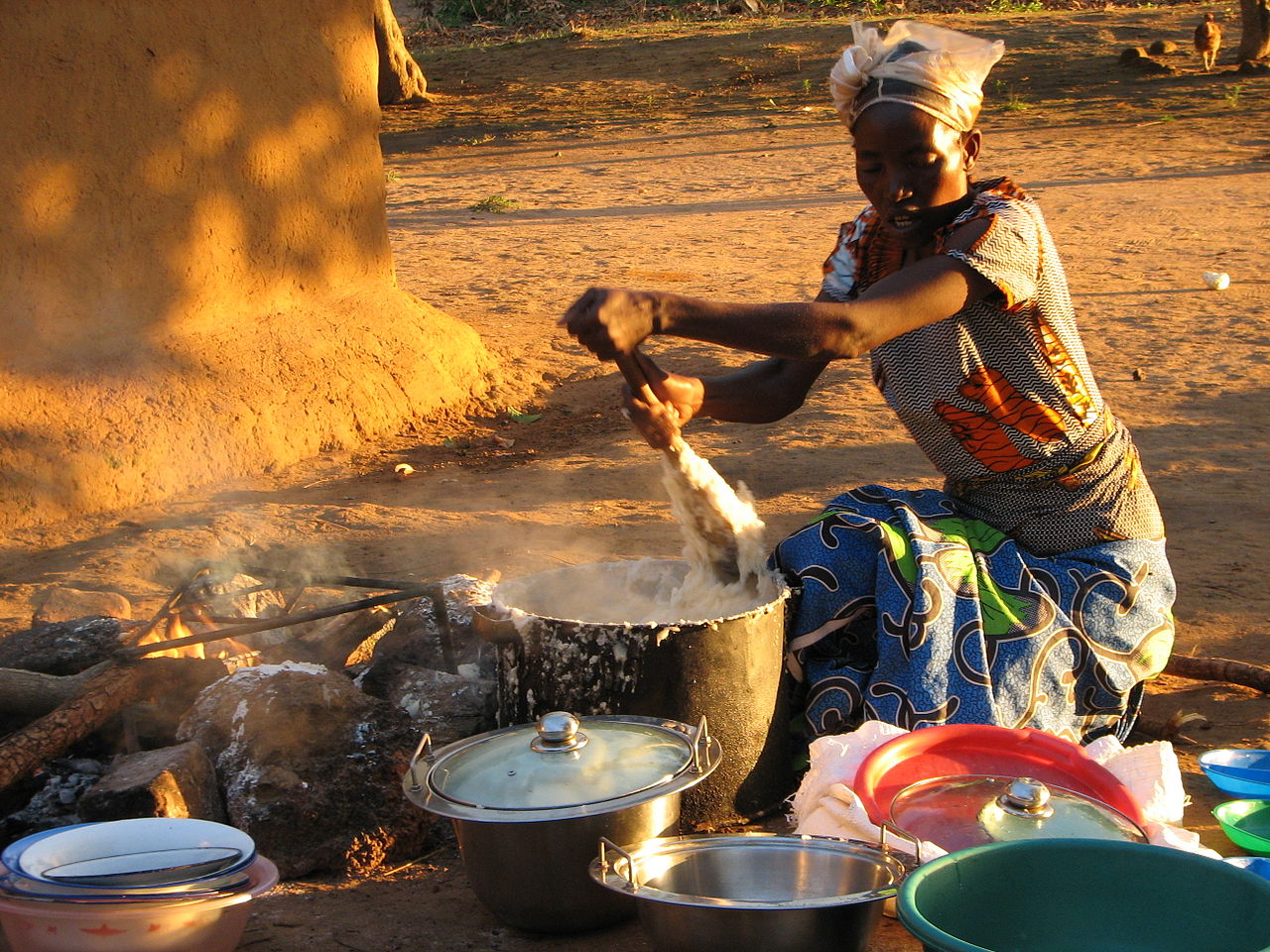
The study focuses on the idea of "porridge and pot" cuisine, a broad food tradition found across many parts of Africa. In Zambia, one familiar example is nshima, a thick starchy porridge usually eaten with relish made from vegetables, groundnuts, fish, meat, or other ingredients. Similar dishes appear across the continent under different names and with different ingredients.
The authors argue that porridge is important because of its form, texture, and social meaning, not only because of the crop used to make it. While maize is now dominant in much of South Central Africa, earlier porridges were made from crops such as sorghum, pearl millet, and finger millet. In some areas, wild plants, yams, fruits, insects, milk, and other ingredients may also have contributed to porridge-like foods.
The study questions the simple idea that porridge cuisine arrived fully formed with the spread of Bantu-speaking farming communities and the so-called Iron Age "package" of pottery, iron working, settlement, and cereal agriculture. Instead, it suggests a more gradual and varied process, in which pottery, cereals, local plants, boiling technologies, and cultural preferences may have developed and combined differently across regions.
Environment played a major role in shaping these food traditions. The paper compares different African ecological zones, especially the wetter Guinea-Congolian region and the drier Zambezian and Miombo regions. These landscapes offered different plants and different farming possibilities, influencing whether communities favoured tubers, cereals, wild fruits, or other starchy foods.
The study also highlights the importance of substitution. New ingredients could be adopted when they fitted existing food preferences, especially if they could be turned into a familiar porridge texture. This may explain why later crops such as maize and cassava became so important: they could replace or supplement older ingredients while preserving the basic form of the meal.
At the same time, food remained a marker of local identity. The authors note that communities could distinguish themselves through preferred grains, wild plant additives, taste, texture, and cooking practices. In this sense, porridge was not a uniform food tradition, but a flexible cuisine shaped by both shared practices and local differences.
The paper also points to archaeological challenges. Porridge is difficult to identify directly in the archaeological record, especially because many plant remains preserve poorly in African soils. Pottery, grinding stones, charred seeds, food residues, and ethnobotanical knowledge can all help, but more research is needed to reconstruct the deep history of African cuisine.
Overall, the study presents porridge as a living heritage with deep archaeological roots. It argues that the history of this cuisine reflects long-term ecological adaptation, cultural continuity, and changing choices in ingredients across South Central Africa.
Published on: 14-06-2026
Edited by: Abdulmnam Samakie