- Archaeological News
-
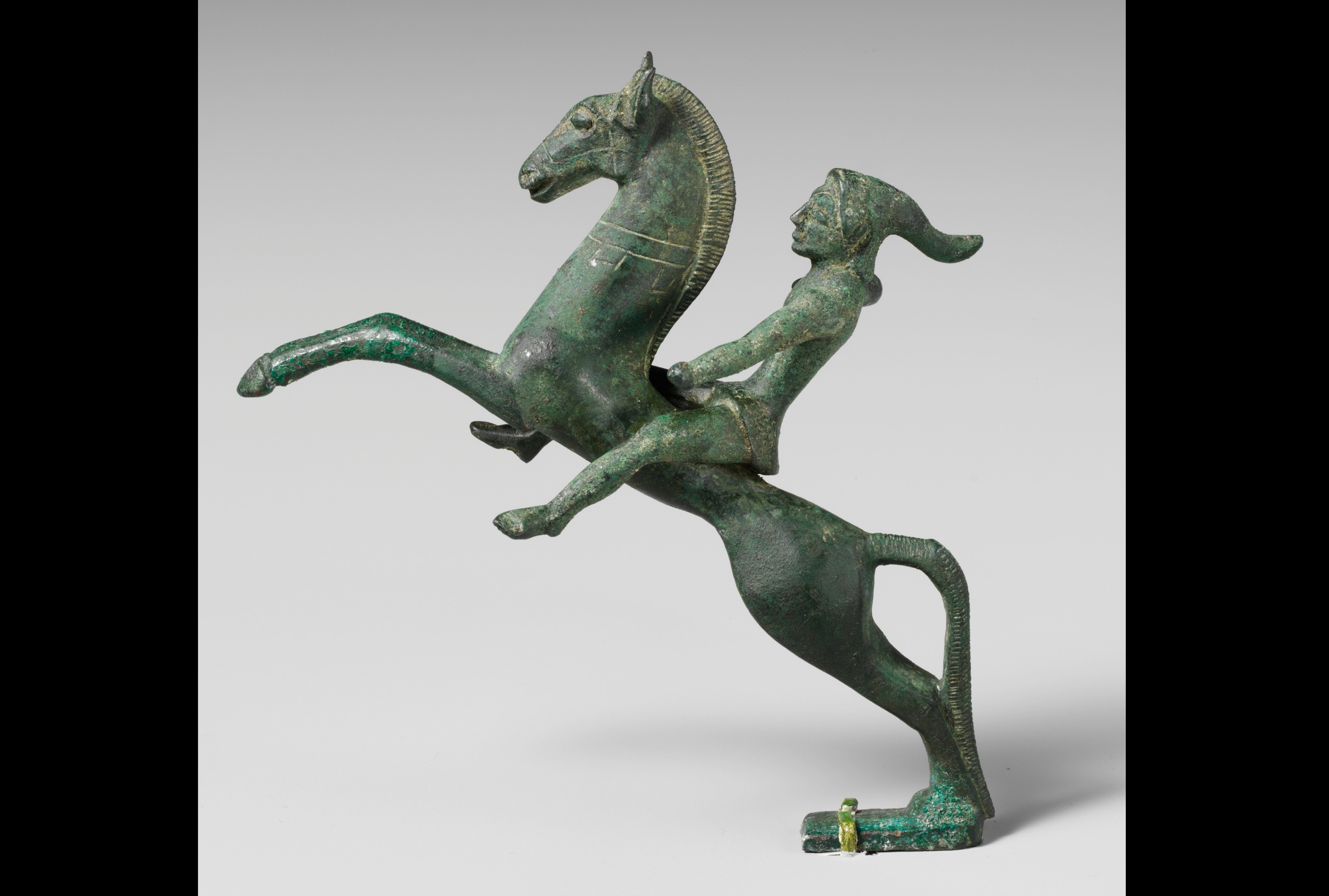
 Image Credit:
Metropolitan Museum of Art, CC BY-SA 4.0, via Wikimedia Commons
Image Credit:
Metropolitan Museum of Art, CC BY-SA 4.0, via Wikimedia Commons
Ancient DNA Reveals Dynastic Rule Among Iron Age Steppe Elites
A new ancient DNA study suggests that elite status among Iron Age nomadic societies of the Eurasian Steppe was often inherited through biological families, supporting the existence of dynastic rule among Scythian groups.
The research analyzed genome-wide data from 85 individuals dating between approximately 900 and 200 BC. These included 38 people buried in elite contexts and 47 from less elaborate graves, as well as the first genome-wide genetic data obtained from the famous Scythian "Golden Man" discovered at Issyk in Kazakhstan.
The Scythian world extended across a vast region from the Altai Mountains to the Black Sea. Its societies are known archaeologically for monumental burial mounds, elaborate weapons, horse-related artefacts, animal-style art, and richly furnished graves. However, it has remained unclear whether status among these communities was inherited through family lines or acquired through achievement and political influence.
To investigate this question, the researchers compared the ancestry, biological relationships, and genetic diversity of individuals buried in elite and non-elite contexts. Elite burials were identified through features such as large burial mounds, passageways leading into the grave, horse burials, abundant gold objects, weapons, and evidence of postmortem trepanation associated with body preservation.
The genetic results reveal that elite individuals were much more likely to be related to one another than non-elites. According to the study, two elite individuals were approximately 11 times more likely to share detectable biological relationships than two non-elite individuals.
The researchers reconstructed a family network that extended across several generations and different cemeteries. One elite man buried at Akbeit was identified as the grandfather of two individuals buried at Karashoky, while another elite man from Nurken was identified as his brother. These relatives were buried in separate cemeteries located between around 50 and 140 kilometres apart.
This family connection indicates that high status was maintained by the same biological lineage for at least three generations. It also suggests that elite kinship networks extended beyond individual settlements or burial grounds and formed part of a wider political and social organization.
The study also found higher levels of genetic similarity within the elite group. Several elite individuals showed evidence of descent from unions between biological relatives, including possible first-cousin or uncle-niece pairings. On average, elite individuals carried longer and more numerous regions of genetic similarity than non-elites, indicating greater marriage within a restricted social group.
At the same time, the Scythian individuals as a whole were genetically diverse. Their ancestry reflected varying combinations of populations associated with the eastern and western Eurasian steppes and the Bactria-Margiana region of Central Asia. Non-elite individuals displayed greater variation, while elite groups appear to have maintained somewhat more restricted ancestry patterns.
The study found no clear evidence that elite communities followed exclusively male-centred or female-centred residence systems. Women represented nearly half of the elite individuals and were buried with many of the same signs of power and prestige as elite men, including large mounds, horses, gold objects, and elaborate burial rites.
One prominent example is the so-called "Princess of Urdzhar," an elite woman buried with an elaborate gold headdress decorated with Scythian animal motifs. Her grave also contained a stone altar and medicinal plants, which have been interpreted as possible evidence of a ritual or shamanic role.
The research also provides new information about the celebrated "Golden Man" from the Issyk burial mound. The individual was buried between approximately 400 and 300 BC with more than 4,000 gold ornaments, weapons, pottery, and other prestigious objects. The genetic analysis identifies the individual as most likely male and places him within the wider genetic diversity of Iron Age Saka groups.
The findings indicate that the monumental burial mounds of the Scythian elites were not simply expressions of individual wealth. They reflected a social system in which authority, status, and access to prestigious burial practices were transmitted through family lines.
Overall, the study provides strong genetic evidence for hereditary social rank and emerging dynastic authority among Iron Age nomadic societies of Central Eurasia. It shows that even highly mobile pastoral communities could maintain powerful kinship networks across large distances and several generations.
Published on: 04-07-2026
Edited by: Abdulmnam Samakie
Source: Science Advances