- Archaeological News
-
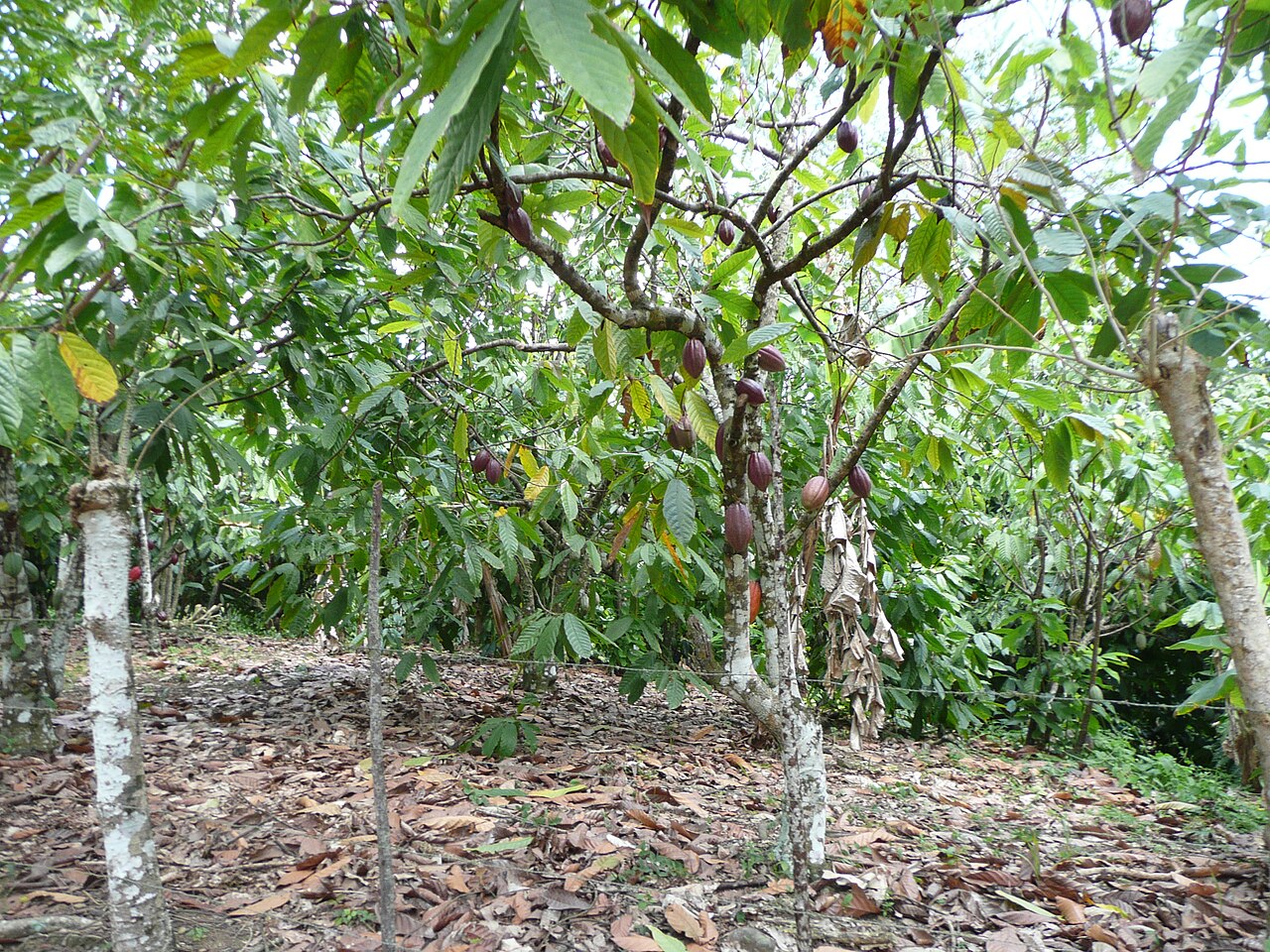
 Cacao plant bearing its fruit.
Image Credit:
Public domain, via Wikimedia Commons
Cacao plant bearing its fruit.
Image Credit:
Public domain, via Wikimedia Commons
Ancient DNA Reveals Cacao Consumption at Mississippian Etowah
Ancient DNA recovered from pottery at the Etowah archaeological site in Georgia has provided the first clear evidence that cacao was consumed within the Mississippian world centuries before European contact. The finding significantly expands the known geographic reach of cacao in pre-Columbian North America and raises new questions about the long-distance networks through which foods, materials, and ideas circulated across the continent.
The research examined pottery fragments dating to the 11th and 12th centuries CE from Etowah, an important Indigenous settlement in what is now the southeastern United States. Etowah later became one of the leading centers of Mississippian civilization, but the pottery analyzed in the study comes from an earlier stage of the settlement’s development. The fragments were recovered from large pits containing remains associated with communal feasting and the construction of the site’s first earthen platform mound.
Cacao (Theobroma cacao) originated in tropical regions far to the south and has a history of human use stretching back at least 5,000 years in South America. Evidence for its consumption has also been identified at Chaco Canyon in the American Southwest. Until now, however, convincing evidence that cacao reached Mississippian communities in the eastern United States had been lacking. Because the plant cannot grow naturally in Georgia’s climate, its presence at Etowah indicates that cacao had travelled a considerable distance before reaching the settlement.
Earlier chemical analysis of 31 pottery fragments from Etowah had detected substances associated with caffeinated beverages. Twenty-one samples contained at least two compounds commonly linked with cacao, while three contained all four compounds examined. The problem was that several of these chemical markers also occur in yaupon holly, a native plant used to prepare a caffeinated drink in the southeastern United States. Researchers therefore could not confidently determine whether the vessels were associated with cacao or locally available yaupon holly.
The new study addressed that uncertainty by analyzing ancient DNA from three of the pottery samples. Researchers identified DNA sequences specific to Theobroma cacao in two of them. The fragments displayed characteristics expected of degraded ancient DNA, and laboratory procedures and genetic filtering were used to reduce the possibility of modern contamination. These results led the researchers to conclude that cacao was present at Etowah around 800 to 900 years ago.
The archaeological setting adds another dimension to the discovery. The pottery came from features containing animal bones, broken ceramics, and organic material interpreted as remains of feasting. These deposits were later used during construction of Etowah’s first platform mound. Researchers suggest that cacao may therefore have been associated with communal activities surrounding mound construction and ceremonies intended to strengthen social ties.
Where the cacao originated remains uncertain. Preliminary genetic comparisons found similarities with several cacao genetic groups known from South and Central America, but the researchers emphasize that the available genetic sample is too limited to establish its geographic source. Possible connections through Central America or the American Southwest remain hypotheses rather than archaeologically demonstrated trade routes.
The discovery nevertheless suggests that cacao may have circulated much more widely across pre-contact North America than previously recognized. It also opens new possibilities for archaeogenomic analysis of pottery from other Mississippian sites, where chemical traces previously attributed to local caffeinated plants may warrant renewed investigation.
Published on: 31-08-2026
Edited by: Abdulmnam Samakie
Source: PLOS One