- Archaeological News
-
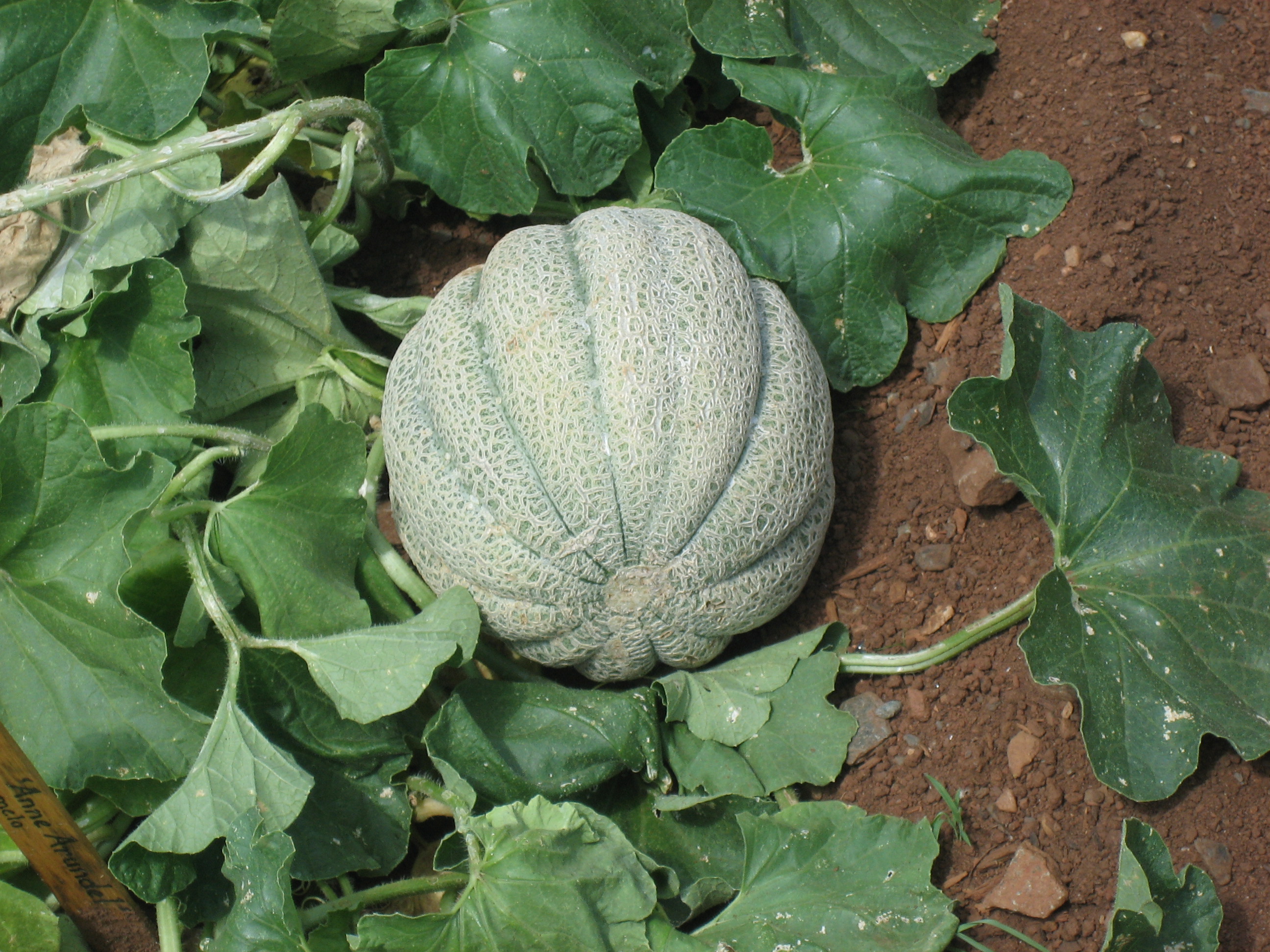
 Cantaloupe (Cucumis melo).
Image Credit:
Seth Vidal, CC BY-SA 2.0, via Wikimedia Commons
Cantaloupe (Cucumis melo).
Image Credit:
Seth Vidal, CC BY-SA 2.0, via Wikimedia Commons
Ancient DNA Reveals What Melons Looked Like in Song Dynasty China
Ancient DNA recovered from two melon seeds found at the Shuomen Gugang archaeological site in Wenzhou, eastern China, has provided new evidence for the cultivation and use of melons during the Song Dynasty. The genomic results place the seeds firmly within cultivated melon, Cucumis melo, and offer an unusually detailed glimpse of the fruits’ likely appearance, taste, and role in everyday life around a thousand years ago.
The seeds came from waterlogged deposits associated with the Southern Song period. Another seed from the same archaeological context was radiocarbon dated to roughly AD 1020–1150. Gugang was an important port linked to maritime trading networks across the western Pacific and Indian Oceans. Excavations at the site also uncovered rice and the remains of peach, grape, olive, jujube, lychee, kiwifruit, and other plants, reflecting a diverse food economy and wide-ranging connections.
Researchers attempted to extract DNA from 24 archaeological Cucumis seeds from three Chinese sites. Twenty came from much earlier contexts dating to the Spring and Autumn period, between 770 and 476 BC, but these did not preserve enough endogenous DNA for detailed analysis. Two of the four seeds from Gugang, however, yielded sufficient genetic material. Their nuclear genomes were recovered at approximately 5.5× and 2.1× coverage, while their chloroplast DNA was preserved at much higher coverage.
Comparisons with nearly 300 modern melon genotypes showed that both ancient seeds belonged to cultivated Chinese C. melo within the East Asian “agrestis” gene pool. This provides a secure genetic timestamp for cultivated melons in eastern China by the Song period. The result is consistent with the possibility that these melons were introduced from the broader Asian domestication pool rather than domesticated independently in China, although an extinct or unsampled local wild ancestor cannot yet be ruled out.
The genetic data also allowed several fruit traits to be reconstructed. Neither seed carried the allele associated with orange flesh. One seed had genetic evidence consistent with green flesh, while the other appears to have had a yellow or green-yellow peel. Both likely belonged to non-climacteric varieties, meaning they would not have undergone the same ripening process seen in some modern melons after harvest. One seed also carried a variant associated with reduced acidity.
Another genetic marker found in one seed is associated with plants bearing both male and bisexual flowers, a trait linked in cultivated melons to rounder fruits and easier breeding. The exact size and shape of the ancient fruits cannot be reconstructed with certainty, but this marker suggests that selection related to fruit morphology was already present.
Taken together, the evidence indicates that these Song Dynasty melons were probably not the highly sweet dessert fruits familiar today. Their combination of non-orange, white or light-green flesh, green-yellow peel, and low acidity is more comparable to modern melon types eaten fresh, used as vegetables, pickled, or valued for their edible seeds. The fruits were therefore likely consumed as crisp, mildly sweet foods rather than selected primarily for high sugar content.
The findings also connect botanical evidence with the visual culture of the period. Green-fleshed and yellow-skinned melons had symbolic and aesthetic associations in East Asia, while Song-period celadon ceramics from the Lower Yangtze were often made in melon-shaped forms and glazed in jade-green tones. Such ceramics have also been recovered at Gugang.
Although the evidence cannot resolve the much older history of melon domestication in China, it demonstrates how ancient DNA can move beyond simply identifying archaeological seeds. By reconstructing traits from their genomes, it becomes possible to explore how cultivated fruits looked, how they may have been eaten, and how crop varieties were connected to trade and cultural preferences in the past.
Published on: 05-09-2026
Edited by: Abdulmnam Samakie
Source: PNAS