- Latest Archaeological News
-
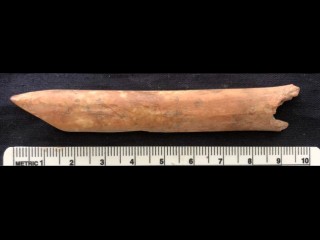 Animal Bones Reveal Stone Blades Still Dominated Butchery in Early Dynastic Iraq (12-09-2026)
Microscopic traces preserved on animal bones from Abu Salabikh in southern Iraq are revealing that stone blades remained central to everyday food preparation even in a society already familiar with metalworking. The analysis of butchery marks from an Early Dynastic household shows that animals were processed with chipped-stone tools rather than metal knives, offering a detailed glimpse into how technological change unfolded in daily life during the third millennium BC....
 Giant Chalcolithic Kiln Points to Specialized Pottery Production in Romania (11-09-2026)
Archaeologists investigating a Copper Age settlement in north-eastern Romania have uncovered an unusually large and well-preserved pottery kiln that may provide some of the clearest evidence yet for intensified ceramic production in prehistoric south-eastern Europe. Excavated at Ursoaia in 2025, the two-chambered installation belongs to the Cucuteni–Trypillia cultural tradition and stands out for both its size and its sophisticated system for controlling heat and airflow....
 Ancient Proteins Reveal Major Denisovan Fossil Site in Southwest China (10-09-2026)
Ancient proteins recovered from fossilized human remains in Bianfu Cave, southwestern China, have identified five specimens as Denisovan, filling a major geographic gap in the known distribution of this archaic human group. The finds include two teeth, two fragments of parietal bone from the skull and part of a radius from the forearm, providing new evidence for Denisovan presence in a region connecting East, South and Southeast Asia....
 New Dating Reveals a Complex Bronze Age History at Hagbard’s Gallows (09-09-2026)
New archaeological dating has provided the first firm chronology for Hagbard’s Gallows, an unusual Bronze Age monument in south-western Sweden that combines monumental standing stones, burial mounds and rock art. The results indicate that the site developed over several centuries rather than being created in a single phase, offering a more complex picture of its use and meaning in prehistoric Scandinavia....
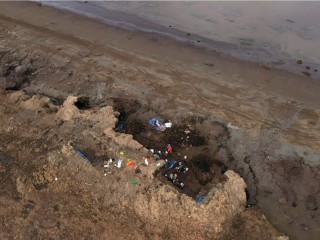 As Alaska’s Coast Erodes, Archaeology Helps Preserve Yup’ik Heritage (08-09-2026)
Rapid coastal erosion and thawing permafrost are threatening archaeological sites and living cultural traditions in Alaska, while a long-running community archaeology project at Nunalleq shows how heritage work can help strengthen connections between Indigenous communities and their past. The case highlights an increasingly urgent challenge in the Arctic, where climate change is damaging ancestral landscapes at the same time that local communities are working to preserve cultural knowledge and identity....
 Ancient Pigments Reveal Lost Colors and Fire Damage in Kizil’s Giant Buddha Cave (07-09-2026)
Scientific analysis of surviving wall paintings in Cave No. 47 at the Kizil Grottoes in Xinjiang, China, has revealed how ancient artists prepared their surfaces, selected pigments and adapted their methods to different parts of one of the Silk Road’s most important Buddhist cave monuments....
 Ancient Cattle Teeth Reveal Europe’s Earliest Livestock Journeys (06-09-2026)
Isotope analysis of animal teeth from Early Neolithic sites in the Netherlands has uncovered the earliest known evidence of livestock mobility in northern Europe, showing that cattle and pigs were being moved between different regions more than 6,000 years ago. The findings offer a new view of how some of the first farming communities north of the main Central European agricultural zone managed their animals and maintained connections with neighbouring groups....
 Ancient DNA Reveals What Melons Looked Like in Song Dynasty China (05-09-2026)
Ancient DNA recovered from two melon seeds found at the Shuomen Gugang archaeological site in Wenzhou, eastern China, has provided new evidence for the cultivation and use of melons during the Song Dynasty. The genomic results place the seeds firmly within cultivated melon, Cucumis melo, and offer an unusually detailed glimpse of the fruits’ likely appearance, taste, and role in everyday life around a thousand years ago....
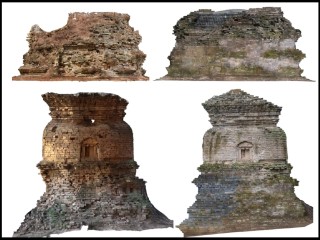 Leaning Tang Pagodas Reveal a New Approach to Heritage Conservation (04-09-2026)
A long-term assessment of three ancient masonry pagodas at Foguang Temple in China’s Shanxi Province has shown how digital surveying, material analysis and environmental monitoring can guide conservation without unnecessary structural intervention. The work followed the monuments through four survey stages in 2011, 2020, 2024 and 2025, covering conditions before conservation, work in progress and the period immediately after completion....
 Animal Bones Reveal a Millennium of Change in Medieval English Farming (03-09-2026)
A large zooarchaeological analysis of cattle and sheep remains from across England is providing a more detailed picture of how medieval farming changed between about AD 400 and 1400. Rather than dividing the evidence into broad labels such as “early Saxon” or “high medieval,” the research follows changes continuously through time, revealing gradual shifts in the use of livestock for meat, milk, wool and agricultural labour....
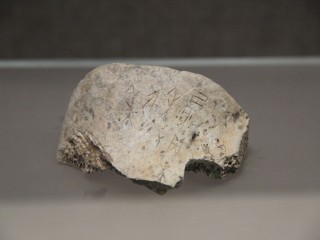 Stroke and Structure Analysis Improves AI Recognition of Oracle Bone Inscriptions (02-09-2026)
A new artificial-intelligence approach has improved the recognition of Oracle Bone Inscriptions by focusing on the physical features that define ancient Chinese characters: their strokes, edges, overall layout, and the spatial relationships between their components. The results show that models designed around the morphology of the inscriptions can perform better than systems that rely mainly on broader forms of transferred visual knowledge....
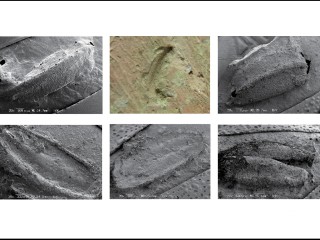 Ancient Pottery Impressions Reveal Farming Across Kazakhstan’s Steppe (01-09-2026)
New archaeological research from southern Kazakhstan is challenging the long-standing image of ancient Central Asian steppe communities as societies dependent almost entirely on mobile pastoralism. Impressions of grains preserved in pottery show that farming was incorporated into local economies over more than two millennia, from the Bronze Age through the Iron Age, alongside herding and other forms of subsistence....
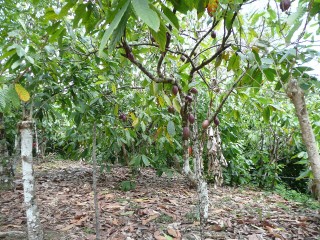 Ancient DNA Reveals Cacao Consumption at Mississippian Etowah (31-08-2026)
Ancient DNA recovered from pottery at the Etowah archaeological site in Georgia has provided the first clear evidence that cacao was consumed within the Mississippian world centuries before European contact. The finding significantly expands the known geographic reach of cacao in pre-Columbian North America and raises new questions about the long-distance networks through which foods, materials, and ideas circulated across the continent....
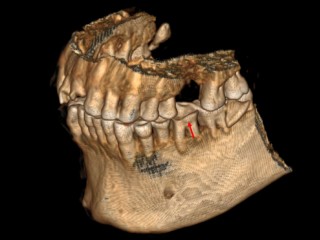 Forgotten Egyptian Mummy Head in Lithuania Reveals New Details of Ancient Embalming (30-08-2026)
A multidisciplinary study of a long-neglected Egyptian mummy head preserved at the National Museum of Lithuania has revealed new information about the individual’s age, health, mummification treatment and chronology, while also reopening questions about how the remains reached Europe. The specimen was examined in 2025 as part of the Lithuanian Mummy Project....
 Ancient Farmland Still Shapes the Modern City of Zadar (29-08-2026)
A new archaeological and historical study of Zadar, Croatia, shows that traces of the city’s agricultural past remain embedded in its modern urban landscape, despite rapid development during the 20th and 21st centuries. The researchers describe these surviving features as green heritage: remnants of historic agricultural landscapes that continue to influence the appearance, structure and identity of the modern city....
 Ancient Proteins Reveal Hidden Human Remains in Italy’s Grotta Guattari (28-08-2026)
A new palaeoproteomic study of fragmented bones from Grotta Guattari in central Italy has identified four previously unrecognizable specimens belonging to the genus Homo, while showing how dramatically burial conditions can affect the survival of ancient proteins. Grotta Guattari, in the Lazio region, is one of Italy’s most important Neanderthal sites....
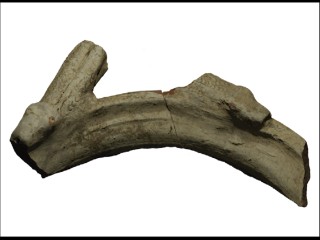 Snake-Headed Vessel Offers Early Evidence for the Cult of Sabazios in Roman Spain (27-08-2026)
A newly analysed ceramic vessel from the Roman villa of Collet in north-eastern Spain is offering rare evidence for the spread of the cult of Sabazios into the western Roman world during the Augustan period. The object survives only in fragments, but enough remains to reconstruct part of a large vessel with a horizontally arranged handle ending in two snake heads....
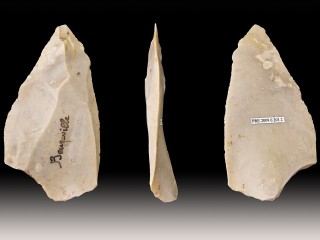 Stone Tools Suggest Neanderthals Reached Northern Arabia Around 55,000 Years Ago (26-08-2026)
A new archaeological study suggests that Neanderthals may have expanded farther south than previously demonstrated, reaching northern Arabia around 55,000 years ago. The evidence comes not from human fossils, but from distinctive patterns in Middle Palaeolithic stone tools....
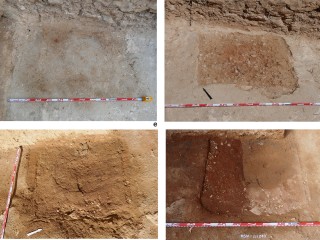 Iron Age Hearths Reveal More Than Cooking in Ancient Iberian Homes (25-08-2026)
A new archaeological study of Iron Age hearths in northeastern Iberia suggests that domestic fire installations served a wider range of purposes than cooking alone, offering new insights into how ancient households organized everyday activities. The research focuses on combustion structures from Iberian settlements along the Mediterranean coast of present-day Catalonia, dating mainly between the late sixth and third centuries BCE....
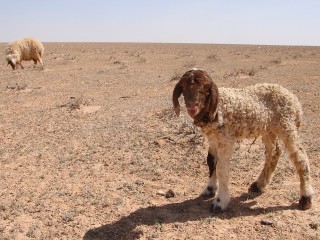 Sheep and Goats May Have Helped Shape the World’s First Cities (24-08-2026)
A new archaeological study of Hamoukar in northeastern Syria proposes an unusual way of thinking about the origins of cities: early urbanism may have been shaped not only by humans, but also by the behaviour and social organization of the large sheep and goat herds that lived alongside them. The research focuses on social zooarchaeology, an approach that looks beyond animals simply as sources of meat, milk, wool or labour....
 A Hidden Arsenic Legacy in Canada’s Scientific Collections (23-08-2026)
A new heritage-science study has identified arsenic and several heavy metals in a group of 19th-century microscope slides held in a Canadian natural history collection, highlighting hidden hazards that can remain in apparently ordinary historic scientific objects. The research examined Victorian-era microscope slides wrapped in decorative paper and produced in Canada between 1874 and 1878....
 Human Impact on Landscapes Began Long Before the Industrial Age (22-08-2026)
A new archaeological overview argues that prehistoric landscapes should not be understood simply as natural settings in which human history unfolded. Instead, they were continuously shaped by interactions between people, erosion, climate and land use, often leaving environmental effects that lasted for centuries or even millennia....
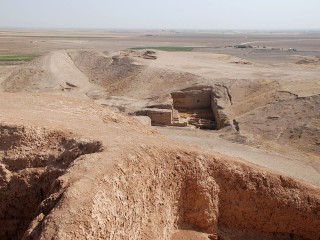 Ancient Cities in Southwest Asia Began to Scale in the Bronze Age (21-08-2026)
A new archaeological study suggests that some of the social and economic patterns associated with urban life did not emerge automatically when people began living in larger settlements. Instead, they became clearly established only with the rise of increasingly integrated cities during the Bronze Age....
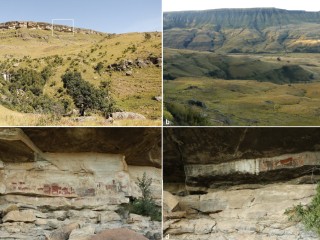 Sound at Game Pass Shelter Adds a New Dimension to San Rock Art (20-08-2026)
A new archaeoacoustic study of Game Pass shelter in South Africa suggests that the famous San rock art site offered an acoustic environment well suited to clear speech, singing, rhythm and other sound-based activities, even though it lacks dramatic echoes or strong reverberation. Game Pass is one of the best-known San rock art sites in the Maloti-Drakensberg Mountains....
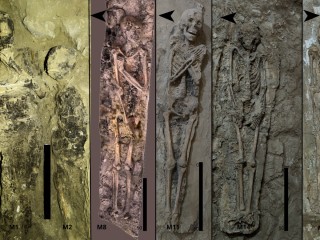 Ancient Theban Tomb Reveals Centuries of Changing Burial Practices (19-08-2026)
A new archaeological study of Theban Tomb 209 in Luxor has reconstructed how an Egyptian burial chamber was repeatedly reused over several centuries, transforming from a space of relatively individual burials into a densely organized accumulation of mummified bodies. The research focuses on Side Chamber 3, an underground room within the monumental tomb on the West Bank of Luxor....
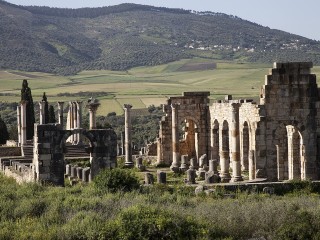 Medieval Pottery Reveals a Local Ceramic Industry at Volubilis (18-08-2026)
A new archaeometric study of pottery from Walīla, the medieval settlement that developed at Roman Volubilis in northern Morocco, has revealed a sophisticated local ceramic industry that relied on several nearby clay sources and deliberately varied its recipes according to the intended use of each vessel. The research presents the first comprehensive scientific analysis of a representative assemblage of wheelmade and handmade ceramics from early medieval Morocco....
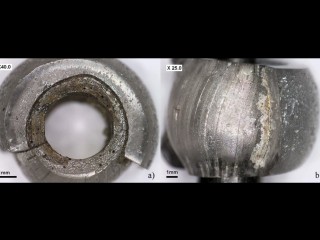 Gold-in-Glass Beads Reveal Ancient Exchange Across the Eurasian Steppe (17-08-2026)
A new archaeological study of two gold-in-glass beads from eastern Kazakhstan has revealed how sophisticated glassmaking traditions associated with the Mediterranean continued to circulate through the Eurasian steppe during the third and fourth centuries CE. The beads were discovered in 2023 in Burial 54 at the Tautekeli cemetery in the Kazakh Altai, an important corridor linking the central and eastern steppe....
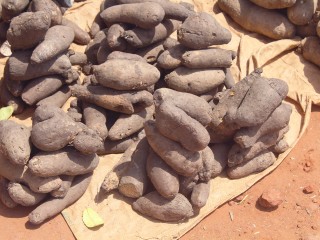 Rethinking Plant Domestication Beyond Wheat, Rice and Maize (16-08-2026)
A new archaeological perspective argues that traditional accounts of plant domestication have often presented an overly simple and linear story, focusing on a small number of major crops while overlooking the wider diversity of plants—and the communities that cultivated them—throughout the past. The study examines how archaeologists reconstruct the origins of agriculture and suggests that domestication is often treated as a process leading directly from wild plants to the major commercial crops familiar today....
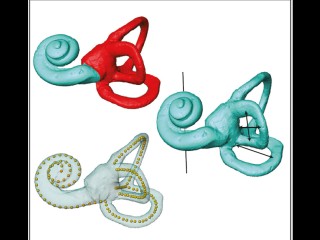 Ancient Inner Ears Reveal a Hidden History of Nile Valley Populations (15-08-2026)
A new study of prehistoric human remains from northeastern Africa has used the anatomy of the inner ear to reconstruct population history across tens of thousands of years, revealing long-term continuity among ancient hunter-gatherers followed by a major demographic shift with the spread of Neolithic food production. Because ancient DNA is rarely preserved in northeastern Africa, reconstructing population relationships has been particularly difficult....
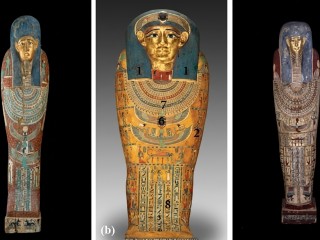 Science Reveals the Materials Behind a Ptolemaic Egyptian Mummy Mask (14-08-2026)
A previously unpublished Egyptian mummy mask preserved in the Egyptian Museum in Cairo has been scientifically examined for the first time, revealing details about its construction, pigments, gilding and preservation and supporting its attribution to the Ptolemaic period. The polychrome cartonnage mask, catalogued as Object No....
 Ancient Jomon DNA Reveals Genetic Adaptations to Ice Age Cold (13-08-2026)
A major genomic study of prehistoric hunter-gatherers from Japan has uncovered evidence that the ancestors of the Jomon developed genetic adaptations that helped them survive the extreme cold of the Last Glacial Maximum. Researchers analysed genomes from 42 Jomon individuals from across the Japanese archipelago, including 25 newly sequenced individuals and 17 previously published genomes....
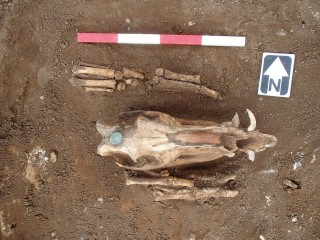 Roman Shrine Reused a Bronze Age Barrow in Suffolk (12-08-2026)
Excavations at Red Lodge in Suffolk, England, have revealed how a prehistoric burial monument remained a focal point in the landscape for thousands of years, eventually becoming the centre of a Roman religious sanctuary. The site was investigated in 2016 ahead of residential development....
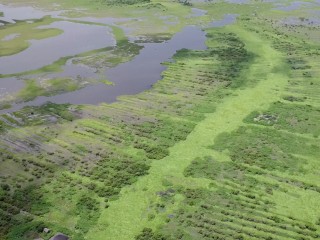 Ancient Zenú Waterworks Show the Power of Collective Labour (11-08-2026)
A new archaeological study of pre-Hispanic raised-field systems in northern Colombia suggests that one of the region’s largest ancient hydraulic landscapes could have been built and maintained by local communities without centralized state control. Across La Mojana, a seasonally flooded lowland in the Colombian Caribbean, pre-Hispanic societies constructed vast networks of canals and elevated agricultural ridges known as camellones....
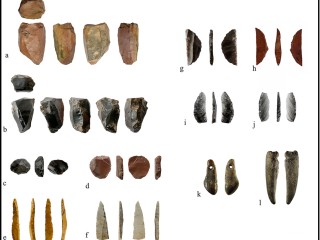 Koskarlı Cave Reveals Epipalaeolithic Life on Türkiye’s Black Sea Coast (10-08-2026)
Excavations at Koskarlı Cave in Türkiye’s eastern Black Sea region have uncovered the first securely documented Epipalaeolithic occupation investigated systematically in this part of the country, providing new evidence for hunter-gatherer communities living there at the end of the Pleistocene. The cave lies about 40 kilometres south of Trabzon in the Söğütlü Valley, at an elevation of approximately 1,030 metres....
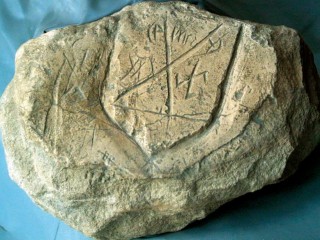 AI-Based Analysis Traces the Evolution of Ancient Writing Systems (09-08-2026)
A new heritage science study proposes a computational method for reconstructing how historical writing systems evolved, using patterns in surviving inscriptions rather than relying on a predefined model of how individual symbols changed through time. The approach treats writing systems as structured “pattern systems” made up of symbols, rules for combining them and conventions governing their visual arrangement....
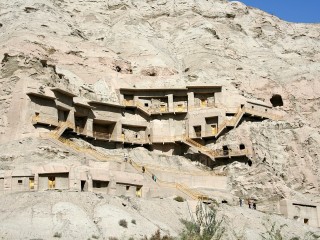 Salt Weathering Threatens the Kizil Grottoes Along the Silk Road (08-08-2026)
A new heritage study has identified how salts, moisture and the internal pore structure of surrounding rocks interact to damage the Kizil Grottoes in Xinjiang, China, one of the major Buddhist cave complexes along the ancient Silk Road. The grottoes were carved into the cliffs of Mingwu Tagh Mountain near the Muzat River, in an arid environment characterized by low rainfall, strong evaporation and large temperature fluctuations....
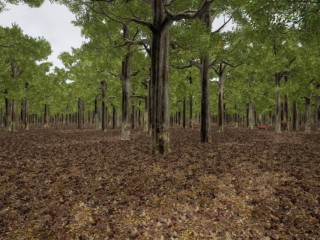 Virtual Forest Experiments Reveal How Prehistoric Hunters May Have Spotted Deer (07-08-2026)
A new study using virtual woodland environments has explored how coat colour, distance and body orientation influence the ability of humans to detect fallow deer, offering a new experimental approach to understanding hunting behaviour during the Palaeolithic. Fallow deer were hunted by humans in Europe from at least the Middle Palaeolithic....
 Climate Crisis and Smallpox Brought Down Eurasia’s Last Nomadic Empire (06-08-2026)
A new study suggests that an exceptional decline in steppe vegetation, combined with famine, political instability, warfare and smallpox, contributed to the collapse of the Dzungar Khanate in the 1750s. The Dzungar Khanate was a major nomadic power in Central Asia and acted as an important buffer between the Russian and Qing empires....
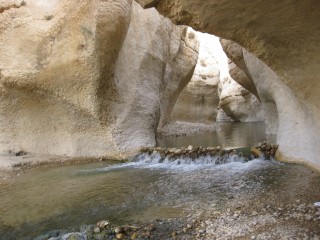 Larger Grains Did Not Necessarily Mark the Start of Farming (05-08-2026)
New archaeological research from southern Jordan suggests that larger cereal grains appeared before full domestication not because early farmers were ploughing or systematically tilling fields, but because wild plants responded to differences in water availability. The study examined charred barley and wheat remains from the Early Holocene sites of Sharara and el-Hemmeh in the Wadi el-Hasa....
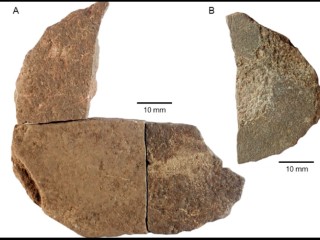 Stone Discs in South Africa May Have Been Used in Rain Rituals (04-08-2026)
Fragments of perforated stone discs discovered at two rock shelters in South Africa’s Limpopo Province may have been connected to rituals intended to influence rainfall, according to a new archaeological study. The objects were found at Welgevonden and Dwaalhoek 11 rock shelters in the Kaingo Game Reserve, part of the Waterberg region....
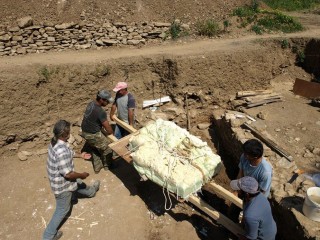 Rare Nautical Equipment Found on Greek Island Dates to Late Antiquity (03-08-2026)
A rare collection of carbonized nautical equipment discovered on the Greek island of Amorgos has provided new evidence for Mediterranean sailing, fishing and ship maintenance between the sixth and eighth centuries CE. The assemblage was uncovered during a 2013 rescue excavation at Katapola, the island’s natural harbour....
 Ancient Diet in South China Shifted from Forest Foods to Rice Farming (02-08-2026)
Microscopic plant remains recovered from an archaeological site in southern China reveal how communities gradually shifted from relying on wild and locally managed forest foods to a more cereal-based economy during the transition from the Late Neolithic to the Bronze Age. The study focused on Jinlansi, a shell-midden site on the northeastern edge of the Pearl River Delta....
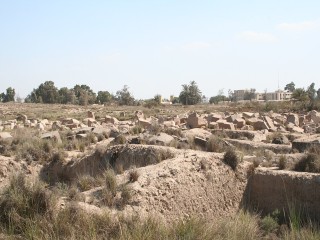 Plant Remains Trace the Rise of Farming at Ancient Bubastis (01-08-2026)
Microscopic plant remains recovered from sediment cores have provided the first long-term reconstruction of vegetation and agricultural development at Bubastis, one of the most important ancient cities of Egypt’s southeastern Nile Delta. Bubastis was founded around 3250 BCE and remained inhabited until its decline during the Roman Period....
 New AI Method Makes Ancient Stone Inscriptions Easier to Read (31-07-2026)
A new image-processing framework may improve the digital preservation and interpretation of ancient stone inscriptions by automatically adapting to differences in lighting, surface texture, weathering and background noise. Stone inscriptions are important historical records, but their texts are often difficult to identify in photographs....
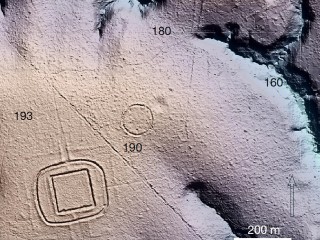 LiDAR Reveals More Than 20,000 Ancient Earthworks in the Amazon (30-07-2026)
Airborne laser scanning has revealed that southwestern Amazonia may contain between 24,000 and 30,000 precolonial earthworks, far more than previously recognized. The findings suggest that the region once supported a large, organized population whose settlements and ceremonial landscapes extended across approximately 183,000 square kilometres....
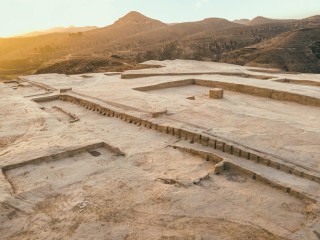 Zhaigou Reveals an Independent Bronze Age Power in Northern China (29-07-2026)
Archaeological discoveries at Zhaigou in northern Shaanxi are reshaping understanding of the Loess Highland during China’s Yinxu period, between about 1300 and 1050 BC. Monumental architecture, elite tombs, bronze casting remains and imported prestige goods indicate that the settlement belonged to a socially stratified and politically organized community....
 Cooling Reshaped Farming on the Tibetan Plateau (28-07-2026)
A new climate and archaeological study suggests that long-term cooling on the Tibetan Plateau helped transform local agriculture from millet-based farming to systems dominated by wheat and barley. Researchers reconstructed approximately 6,000 years of warm-season temperature change using sediment from Saiyong Co, a high-altitude lake in the central Tibetan Plateau....
 Satellite Mapping Reveals Hidden Archaeology in the Amazon Floodplain (27-07-2026)
Remote-sensing research in Brazil’s Lower Amazon has demonstrated that archaeological remains can survive within the region’s constantly changing floodplains, challenging the assumption that erosion and sediment deposition have erased most traces of ancient occupation. The study focused on the seasonally flooded landscape near Alenquer, in the western part of Pará state....
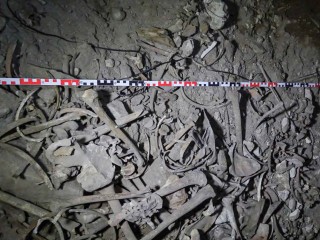 A Forgotten Population Once Bridged Tibet and South Asia (26-07-2026)
Ancient DNA recovered from human remains in a Himalayan cave has revealed that a population living in Ladakh around 1,500 years ago descended from a much older mixture of Tibetan-related and South Asian–related groups. The remains were found in Old Lady Spider Cave, located about 4,000 metres above sea level near Yogma Kharbu in Ladakh....
 Silk Production Reached Central Asia Nearly 2,000 Years Before the Silk Road (25-07-2026)
Archaeological evidence from southern Uzbekistan indicates that communities in Central Asia were cultivating domesticated silkworms and mulberry trees around 2000 BCE—nearly two millennia before the period traditionally associated with the rise of the Silk Road. The findings come from Sapalli Tepe, a Bronze Age settlement belonging to the Bactria-Margiana Archaeological Complex, also known as the Oxus Civilization....
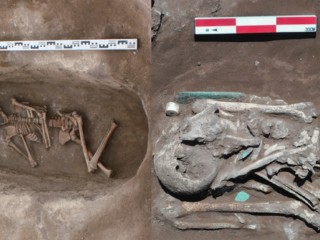 Ancient DNA Reveals Plague Spread Across Eurasia 5,300 Years Ago (24-07-2026)
A newly identified prehistoric genome of Yersinia pestis, the bacterium that causes plague, provides the earliest known genetic evidence of the disease in East Asia and suggests that plague lineages spread rapidly across Eurasia around 5,300 years ago. The genome was recovered from an individual buried at the Middle Neolithic cemetery of Zhengjiagou in northern China, dated to approximately 5,465–5,074 years before present....
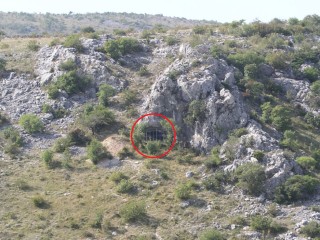 Scientists Uncover Evidence of Much Earlier Neanderthal Occupation in Croatia (23-07-2026)
New optically stimulated luminescence (OSL) dating has pushed back the earliest confirmed Middle Palaeolithic occupation of Mujina Cave (Mujina pećina) in Dalmatia, Croatia, showing that Neanderthals were present in the eastern Adriatic around 80,000 years ago—approximately 30,000 years earlier than previously established. Mujina Cave is the first systematically excavated and securely dated Middle Palaeolithic site in Dalmatia....
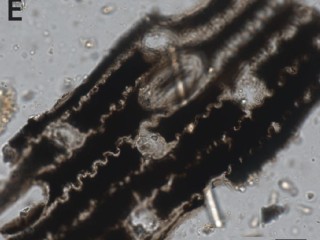 Ancient Plant Remains Reveal Ritual Burning Practices in an Australian Cave (22-07-2026)
A new archaeobotanical study from Cloggs Cave in GunaiKurnai Country, southeastern Australia, provides fresh evidence for the deliberate gathering and burning of whole grass plants inside the cave over thousands of years. Cloggs Cave is a limestone cave in East Gippsland, in the southern foothills of the Australian Alps....
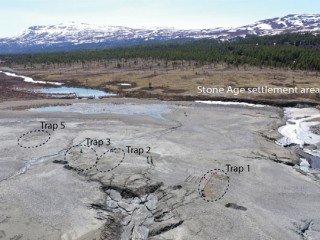 Stone Age Fish Traps Reveal Early Environmental Management in Norway (21-07-2026)
A new archaeological study from Norway suggests that Mesolithic hunter-fisher-gatherers introduced fish into mountain lakes as early as 5000 BC, offering rare evidence of planned environmental management before the spread of farming. The study focuses on Lake Tesse, a mountain lake in central southern Norway, located 854 metres above present sea level in the Jotunheimen region....
 Possible Ancient Dams Near the Red Pyramid May Reveal New Hydraulic Engineering at Dahshur (20-07-2026)
A new study proposes that two long linear structures near the Red Pyramid at Dahshur in Egypt may not have been transport ramps, as previously suggested, but parts of an ancient hydraulic system. The structures lie across Wadi Dahshur, west of the Red Pyramid, one of the major monuments built during the reign of King Snefru in the early Fourth Dynasty of Egypt’s Old Kingdom....
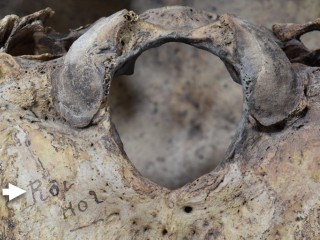 Ancient Bones from Dahshur Reveal New Details About Egypt’s Royal Family (19-07-2026)
A new bioarcheological study reassesses royal skeletal remains from Dahshur, offering fresh insight into health, activity, burial practice, and elite life in Egypt during the late Middle Kingdom. The remains come from excavations carried out at Dahshur in 1894–1895, near the pyramid complexes of Amenemhat II and Amenemhat III....
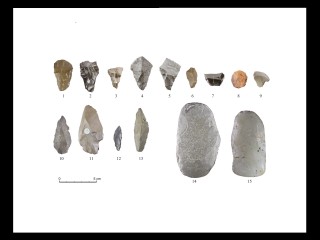 Population Growth May Have Sparked Cultural Complexity in Paleolithic Japan (18-07-2026)
A new study suggests that population expansion among early Upper Paleolithic hunter-gatherers helped trigger cultural complexity on Paleo-Honshu Island, the landmass that once connected Honshu, Shikoku, and Kyushu in Japan. Modern humans are thought to have reached the Japanese islands around 38,000 years ago....
 Science Reconstructs the Last Months of Inca Child Sacrifices (17-07-2026)
A new study provides fresh evidence about the Inca Capacocha ritual, one of the most powerful and politically charged ceremonies of the Inca Empire. Capacocha was a state ritual that combined pilgrimage, offering, and sacrifice....
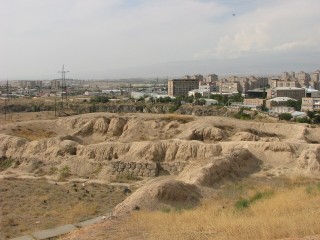 Royal Bronze Bowls Reveal How Urartian Kings Used Writing and Craft to Express Power (16-07-2026)
A new study examines a group of inscribed bronze bowls from Western Asia, showing how writing, metalworking, and royal authority came together in the kingdom of Urartu. Urartu was an Iron Age kingdom centred in the Armenian Highlands between the ninth and seventh centuries BC....
 Medieval Graves Reveal the Mixed Origins of Vilnius’s First Christians (15-07-2026)
A new archaeological study is shedding light on the origins of some of the earliest Christians in medieval Vilnius, before Lithuania officially adopted Catholicism in 1387. The research focuses on the Bokšto Street cemetery in the centre of Vilnius, a large medieval burial ground dated to the late thirteenth and fourteenth centuries....
 Curaçao’s Cultural Landscapes Reveal 5700 Years of Human–Environment Interaction (14-07-2026)
New archaeological and palaeoecological research on Curaçao is revealing nearly 5700 years of human activity and environmental adaptation on the Caribbean island. The Curaçao Cultural Landscape Project investigated two coastal landscapes, Rif Sint Marie and Jan Thiel, between 2022 and 2025....
 3D Thermography Offers a Safer Way to Detect Hidden Damage in Lacquerware (13-07-2026)
A new study presents a non-contact 3D thermography method that can detect hidden defects inside lacquerware artifacts while also recording their surface shape. Lacquerware is a complex form of cultural heritage....
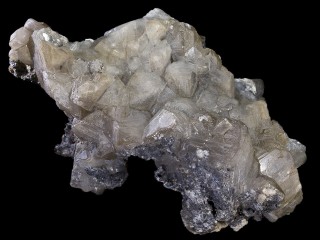 Early Lead Smelting in Iberia Reveals a Short-Lived Prehistoric Innovation (12-07-2026)
A new study has identified the earliest direct evidence of lead smelting in the Iberian Peninsula, showing that prehistoric communities in north-east Iberia experimented with lead metallurgy much earlier than previously confirmed. The discovery comes from the site of Minferri in Catalonia, Spain, an Early–Middle Bronze Age settlement dating to approximately 2100–1600 BC....
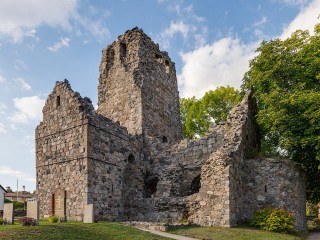 Ancient DNA Reveals How Children Were Buried in Early Christian Sweden (11-07-2026)
A new ancient DNA study offers fresh insight into how children were treated in death during the transition from the late Viking Age to the Medieval period in Sweden. The research focuses on early Christian burial grounds, where grave goods are usually absent and the biological sex of children is difficult to determine from bones alone....
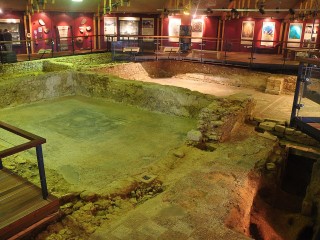 What Happened at Brading Roman Villa? (10-07-2026)
A new study of human remains from Brading Roman Villa on the Isle of Wight suggests that the site may have witnessed a violent episode during the Late Roman period. Brading Roman Villa is one of the best-known Roman villas in Britain, especially because of its decorated mosaic pavements....
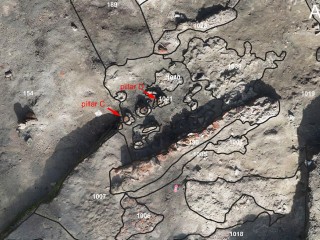 Ancient Salt-Production Site Near Rome Gains a More Precise Date (09-07-2026)
A new study shows that archaeomagnetic dating can help refine the chronology of archaeological sites where radiocarbon dating is difficult, using the ancient salt-production site of Piscina Torta near Rome as a case study. Piscina Torta lies near the central Tyrrhenian coast of Italy and covers at least 20 hectares....
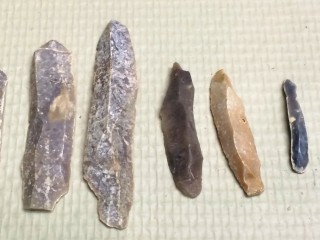 Researchers Challenge the Classification of Stone Tools from Cueva Millán (08-07-2026)
A new scholarly critique questions whether stone tools from Cueva Millán in northern Spain truly belong to the Initial Upper Paleolithic, a technological tradition often associated with the early dispersal of Homo sapiens across Eurasia. The article responds to a 2024 study that classified finds from Layer L1 at Cueva Millán as a southern European expression of the Initial Upper Paleolithic, dating broadly to between about 50,000 and 40,000 years ago....
 Archaeology Reveals a Roman Settlement Built for a Forcibly Relocated Community (07-07-2026)
New archaeological research in southern Italy is shedding light on how Rome used forced population resettlement as a strategy for expanding and consolidating imperial control. The study focuses on the Ligures Baebiani, a community descended from Ligurian groups whom Rome forcibly transferred from north-western Italy to Samnium during the second century BC....
 Virtual and Augmented Reality Open New Paths for Preserving the Great Wall (06-07-2026)
A new study presents an integrated digital system that combines virtual reality, augmented reality, and mixed reality to document, preserve, and interpret the Jinshanling section of the Great Wall of China. Jinshanling is one of the most important Ming-dynasty sections of the Great Wall and is known for its military architecture, watchtowers, complex terrain, and high cultural value....
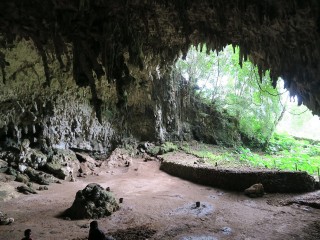 New Evidence Challenges Ideas About the Hunting Skills of Homo floresiensis (05-07-2026)
A new taphonomic study from Liang Bua cave on the Indonesian island of Flores challenges earlier claims that Homo floresiensis hunted large animals and controlled fire. Since its discovery, Homo floresiensis—a short-statured, small-brained human species often nicknamed the "hobbit"—has been associated with surprisingly complex behaviours....
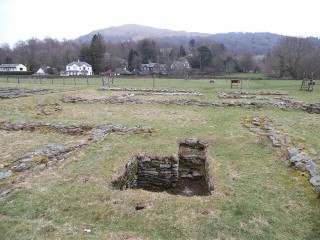 Roman Sling Bullets Reveal an Attack on Ambleside Fort (05-07-2026)
New archaeological research suggests that the Roman fort at Ambleside in England’s Lake District was attacked by an external enemy, with the garrison defending itself by firing lead sling bullets from the fort. The fort stands near the northern shore of Lake Windermere in Cumbria and occupied a strategic position on a Roman route connecting Brougham, Hardknott, and the port of Ravenglass....
 Ancient DNA Reveals Dynastic Rule Among Iron Age Steppe Elites (04-07-2026)
A new ancient DNA study suggests that elite status among Iron Age nomadic societies of the Eurasian Steppe was often inherited through biological families, supporting the existence of dynastic rule among Scythian groups. The research analyzed genome-wide data from 85 individuals dating between approximately 900 and 200 BC....
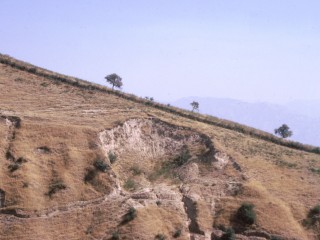 New Dates Rewrite the Early Human Story of Central Asia (03-07-2026)
A new study has established the first detailed absolute chronology for the Early Palaeolithic Karatau Culture in Tajikistan, providing important evidence for the presence and persistence of early humans in Central Asia during the Middle Pleistocene. Central Asia is often viewed as a major corridor for early human movement between the Levant, the Caucasus, northern China, and Siberia....
 Ancient Communities Responded to Illness Through Care, Belief, and Social Networks (02-07-2026)
A new editorial brings together recent bioarcheological research examining how past communities responded to illness, disability, and vulnerability. Rather than focusing only on signs of disease in human remains, the collection considers who received care, how support was organized, and how social status, belief, and community structures influenced health outcomes....
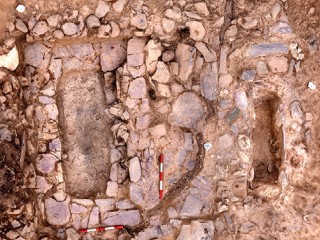 Ancient Stelae Reveal a Crossroads of Memory and Exchange in Spain (01-07-2026)
A new archaeological study at Las Capellanías in south-west Spain has revealed important evidence about the role of prehistoric stelae, burial practices, and ancient communication routes in Iberia. The site, located in Cañaveral de León in Huelva province, came to attention after the chance discovery of a decorated “diademated” stela in 2018....
 X-rays Help Trace Roman Pottery Found on Britain’s Northern Frontier (30-06-2026)
A new study shows that portable X-ray fluorescence can help archaeologists identify the production origins of Roman samian pottery without damaging the artefacts. Samian ware, also known as terra sigillata, was one of the most recognizable and widely traded types of Roman pottery....
 Medieval Pigs Show How Communities Managed Changing Landscapes (29-06-2026)
A new study suggests that pig husbandry in medieval England was more diverse and resilient than previously assumed, with free-roaming systems continuing alongside urban feeding practices for several centuries. The research examined pig remains from seven English towns dating between the 12th and 16th centuries: Glastonbury, Grimsby, Huntingdon, Maldon, Reading, Romsey, and St Albans....
 Digital Technologies Reshapes the Protection of Intangible Cultural Heritage (28-06-2026)
A new review article examines how digital technologies are increasingly being used to support the safeguarding of intangible cultural heritage, from documentation and classification to education, restoration, and cultural innovation. The article reviews 102 studies published between 2020 and 2025, focusing on digital approaches to intangible cultural heritage such as oral traditions, performing arts, rituals, social practices, traditional craftsmanship, and knowledge systems....
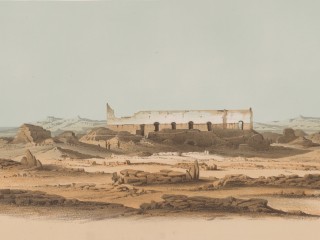 Skeletons Rewrite the Story of Medieval Nubia (27-06-2026)
A new Perspective article argues that bioarchaeology is playing an increasingly important role in reshaping how scholars understand medieval Nubia, offering a more detailed view of communities that have often been described as culturally uniform and socially homogeneous. Medieval Nubia, which flourished roughly between the sixth and fifteenth centuries AD, is commonly presented as a Christian civilization extending along the Middle Nile, from Lower Nubia to the region of modern Khartoum....
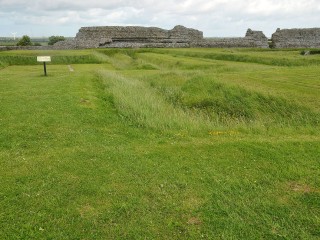 Were Roman Forts in South-eastern Britain Overstated? (26-06-2026)
A new archaeological review is challenging a long-standing view of the Roman conquest of south-eastern Britain, arguing that many sites once interpreted as early Roman military forts may not have been forts at all. The study re-examines the evidence for proposed Claudian-period forts south-east of the Fosse Way, especially in areas of modern southern and eastern England....
 New Genetic Study Challenges Views of Neanderthal Decline (25-06-2026)
A new genetic study of late Neanderthals from Belgium and France is reshaping how researchers understand the final chapters of Neanderthal history in northwestern Europe. The study analyzed genetic data from 27 Neanderthal individuals who lived less than about 52,500 years ago, including remains from several archaeological sites in the Meuse Basin of Belgium and nearby regions of France....
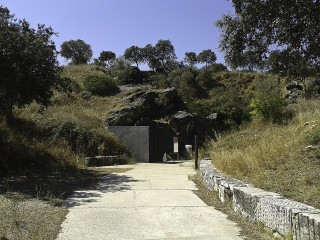 Ancient DNA Found on Cave Walls Opens New Window into Prehistoric Human Presence (24-06-2026)
A new study has shown that traces of ancient human DNA can survive on cave walls for thousands of years, raising new possibilities for studying prehistoric populations and their activities in decorated caves. The research examined pigment and wall samples from 24 rock art panels in 11 caves across Spain and Portugal....
 New Fossil Analysis Rethinks How Human Body Size Evolved (23-06-2026)
A new evolutionary study has revisited one of the long-running questions in human origins research: how and when hominin body size increased. The research compares competing models of body size evolution using a large dataset of fossil body-mass estimates and a statistical framework that accounts for evolutionary relationships and uncertainty in the fossil record....
 Natural Collagen Treatment Could Help Protect Historic Leather Objects (22-06-2026)
A new heritage science study has tested a collagen-based treatment designed to strengthen and protect degraded leather objects. The research explores a collagen/epicatechin composite as a more sustainable approach for reinforcing vegetable-tanned leather, one of the most common types of leather found in archaeological contexts....
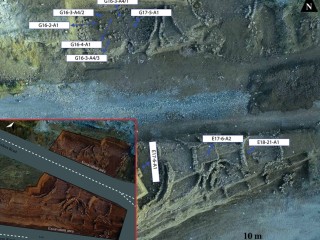 12,000-Year-Old Clay Fragments in Turkey Point to Early Pottery Experiments (21-06-2026)
New archaeological research at Çemka Höyük in Mardin, southeastern Turkey, has identified low-fired clay fragments that may represent one of the earliest experiments with pottery technology in South-west Asia. The study examines clay vessel fragments from a Pre-Pottery Neolithic site dating to the tenth millennium BC, long before pottery became widespread in the region during the seventh millennium BC....
 Ancient Seeds Reveal How Neolithic Farmers Fed a Growing Community (20-06-2026)
A new archaeobotanical study has examined how Late Neolithic farmers supported one of southeastern Europe’s early population centers. The research focuses on the tell settlement of Berettyóújfalu–Herpály in eastern Hungary, where thousands of charred plant remains were preserved inside burned houses dating to the mid-fifth millennium BCE....
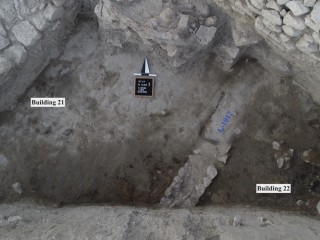 Ancient Earthquakes Reshaped an Early Bronze Age Settlement in Western Anatolia (19-06-2026)
New archaeoseismological research at Panaztepe in western Turkey has identified evidence for at least two major earthquakes that struck the Early Bronze Age settlement during the third millennium BC. The study shows how repeated seismic destruction affected architecture, settlement planning, and community resilience in a region long known for earthquake activity....
 Ancient Plague Outbreaks Hit Lake Baikal Hunter-Gatherers 5,500 Years Ago (18-06-2026)
A new ancient DNA study has revealed that lethal plague outbreaks affected hunter-gatherer communities near Lake Baikal in southeast Siberia around 5,500 years ago. The research identifies early strains of Yersinia pestis, the bacterium that causes plague, in human remains from four prehistoric cemeteries along the Angara River....
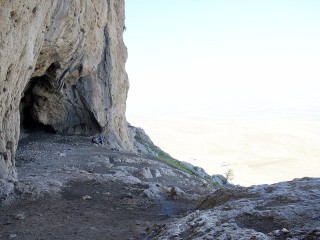 Hazar Merd Cave Reopens a Key Chapter in Zagros Prehistory (17-06-2026)
Renewed archaeological work at Hazar Merd Cave in the Kurdistan Region of Iraq is bringing fresh attention to one of the most important Palaeolithic sites in the Zagros Mountains. First excavated in 1928, the cave complex is considered the earliest documented Palaeolithic site in the Zagros and a landmark in the history of prehistoric research in the region....
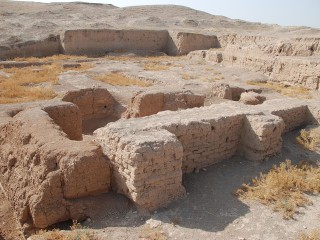 New Method Reassesses Wealth Inequality in Ancient Societies (16-06-2026)
A new statistical method has recently been introduced to improve how archaeologists and historians estimate wealth inequality in past societies. The research focuses on a major problem in studying ancient economies: archaeological and historical data are often incomplete, uneven, and difficult to compare across different regions, periods, and types of evidence....
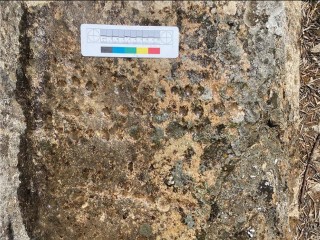 Medieval Gameboard in Morocco Reveals Early North African Gaming (15-06-2026)
A newly published archaeological study presents a rare medieval gameboard discovered in the hammam of Walīla, the Islamic-period settlement at Roman Volubilis in Morocco. The research offers important evidence for gaming, leisure, and social life in early medieval North Africa....
 Ancient Porridge Traditions Reveal Africa’s Culinary Continuity (14-06-2026)
A new study explores the long history of porridge-based cuisine in South Central Africa, arguing that this food tradition should be understood not only as subsistence, but also as a cultural expression shaped by ecology, taste, technology, and social identity. The study focuses on the idea of "porridge and pot" cuisine, a broad food tradition found across many parts of Africa....
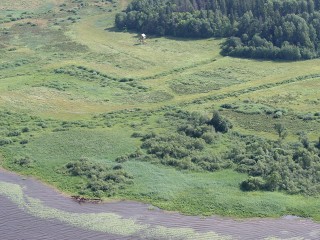 Stone Age Burials in Latvia Point to Specialized Work Roles (13-06-2026)
A new biological anthropology study suggests that some hunter-gatherers buried at the Zvejnieki cemetery in northern Latvia may have carried out specialized forms of work. The research uses biomechanical analysis of long bones to examine activity patterns among Mesolithic-Neolithic hunter-fisher-gatherer communities....
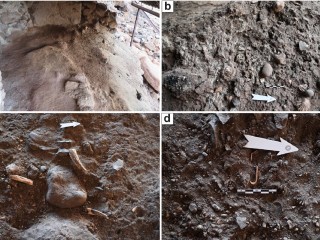 Canary Islands Site Reveals Specialized Medieval Marine Processing (12-06-2026)
A new archaeological study has identified evidence for specialized marine-resource processing at Playa Chica, a coastal rock-shelter site on Gran Canaria in the Canary Islands. The research focuses on the site’s latest Indigenous occupation phase, dated to the 11th–13th centuries CE, and uses a multiproxy approach to understand how marine foods were collected, processed, and possibly preserved....
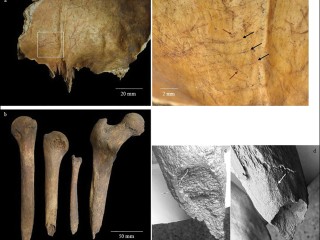 Iron Age Burials in Scotland Reveal Unusual Funerary Practices and Long-Distance Links (11-06-2026)
A new archaeological study has revealed complex funerary practices and long-distance connections in Iron Age Scotland through the reanalysis of two skeletons buried in a stone cairn at Loch Borralie, in Sutherland, north-west Scotland. The research combines osteological study, radiocarbon dating, stable isotope analysis, and ancient DNA to better understand the lives, origins, and burial treatment of the two individuals....
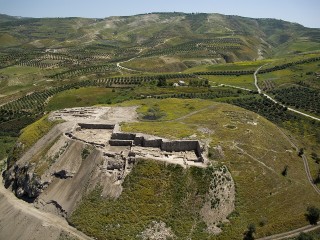 Rare Glazed Ceramics Reveal Iron Age Exchange at Tall Zarʿa in Jordan (10-06-2026)
A new archaeometric study has analyzed rare glazed ceramic sherds from Tall Zarʿa in northern Jordan, offering new insight into Iron Age technology, trade, and material exchange in the southern Levant. The study focuses on 12 glazed ceramic fragments dating mainly from the Iron Age, roughly between 1200 and 600 BCE....
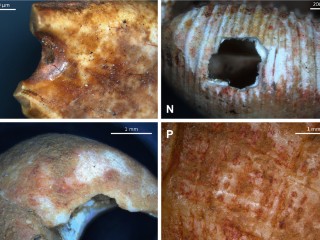 Paleolithic Ornaments Reveal Identity and Mobility in Northern Spain (09-06-2026)
A new archaeological study has examined personal ornaments from Llonín Cave in Asturias, northern Spain, offering new insight into identity, mobility, and social connections among Upper Paleolithic hunter-gatherer groups. The research analyzes the largest and most diverse ornament assemblage known from the Cantabrian region, spanning from the Upper Solutrean to the Azilian, roughly 21,800 to 11,000 years ago....
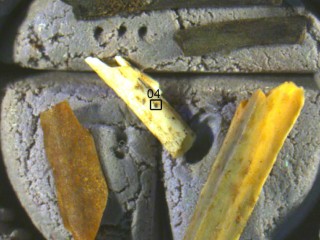 New Evidence Pushes Early Fire Use at Wonderwerk Cave Further Back (08-06-2026)
A new archaeological study has provided fresh evidence for early hominin use of fire at Wonderwerk Cave in South Africa, one of the most important sites for understanding the deep history of fire use. The research identifies burnt small mammal bones in Early Pleistocene Acheulean deposits, suggesting that fire was introduced into the cave by hominins more than one million years ago....
 Insect Eating Was Rare in Ancient Europe (07-06-2026)
A new genomic study suggests that ancient Europeans rarely ate insects, and that any insect consumption over the past 9,000 years was probably occasional or accidental rather than a regular part of the diet. The research combines ancient dental calculus analysis with genetic evidence linked to chitin digestion....
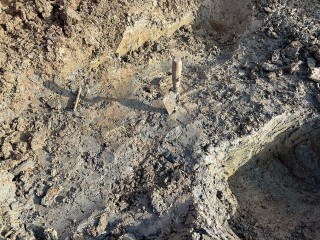 Stone Tool Cache in Ohio May Belong to the Early Woodland Adena Culture (06-06-2026)
A new archaeological study has examined a cache of 11 finely made stone bifaces discovered by accident during development work at a former golf course in Sugarcreek, Ohio. The find, known as the Joshua Cache, was first noticed in 2021 near a pond, after the area had been stripped and graded for construction....
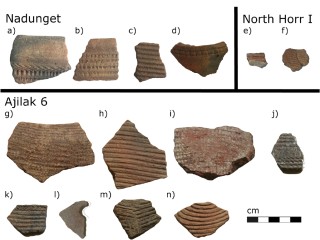 Review Reframes East Africa’s Turkwel Tradition as a Dynamic Cultural Network (05-06-2026)
A new archaeological review has reassessed the Turkwel tradition, a first-millennium AD cultural tradition known mainly from grooved pottery found across parts of East Africa. The study brings together available evidence from South Sudan, Ethiopia, Kenya, and Uganda to clarify how this tradition developed and how it should be understood within wider regional changes....
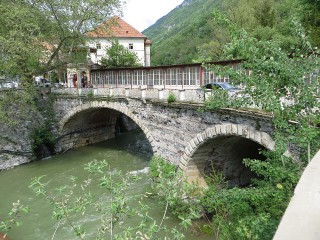 Digital Point Clouds Support Risk Assessment for Historic Stone Bridges (04-06-2026)
A new study presents a digital framework for assessing risk and sustainability in historic stone bridges using terrestrial laser scanning point clouds. The research focuses on a key challenge in heritage management: many historic bridges still serve modern infrastructure needs while also carrying cultural and architectural value, making their conservation both technically and socially important....
 New Study Reveals the Iceman’s Microbiome Is Still Changing (03-06-2026)
A new microbiome study has shown that the famous Iceman mummy, also known as Ötzi, is not a completely static archaeological object, but a complex biological environment where ancient microbes and modern colonizers coexist. The research examined microbial communities associated with the 5,300-year-old alpine glacier mummy and its conservation environment....
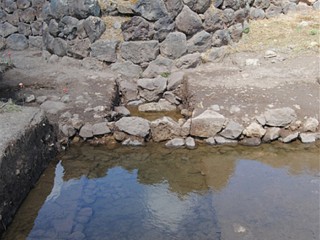 Ancient Ditches Reveal Flax Processing in Sardinia and Spain (02-06-2026)
A new archaeobotanical study has identified evidence that ancient and medieval communities reused defensive ditches for processing flax to obtain textile fibres. The research examines plant remains from two waterlogged ditch contexts: S’Urachi in Sardinia, dating to the 7th–6th centuries BC, and Valencia in Spain, dating to the 13th–14th centuries AD....
 AI Tool Helps Recognize and Restore Ancient Tamil Palm-Leaf Manuscripts (01-06-2026)
A new study presents an artificial intelligence framework designed to support the recognition and restoration of ancient Tamil palm-leaf manuscripts. The research addresses a major challenge in heritage preservation: many palm-leaf manuscripts contain valuable cultural and historical knowledge, but their texts are often difficult to read because of fading ink, surface damage, noise, uneven backgrounds, and structural features such as punch holes....
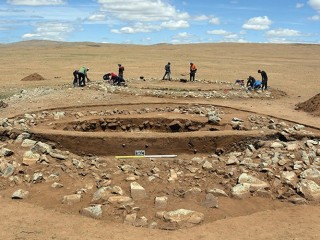 Mongolia’s Xiongnu Cemetery Was Organized More by Status Than Family Ties (31-05-2026)
A new archaeological study of the Tamir necropolis in Mongolia suggests that social status played a stronger role than biological kinship in shaping the organization of an elite Xiongnu cemetery. The research combines ancient DNA, burial archaeology, statistical modelling, machine learning, and cultural phylogenetics to examine how graves were arranged and how funerary traditions were transmitted....
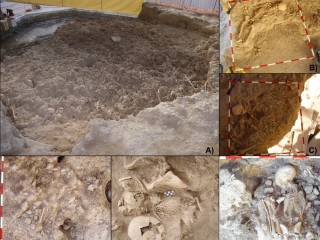 Signs of Respiratory Disease in Copper Age Children in Iberia (30-05-2026)
A new palaeopathological study has found widespread skeletal evidence of health stress and respiratory infection-related changes among non-adults buried at Camino del Molino, a major Copper Age collective burial site in southeastern Iberia. The site, located in Caravaca de la Cruz in Murcia, Spain, is considered the largest known Chalcolithic collective burial in Europe and dates mainly to the 3rd millennium BC....
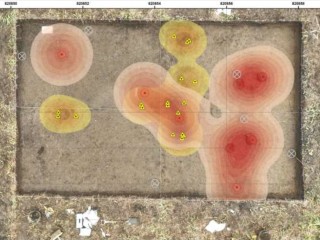 Study Identifies Ancient Cooking Areas in Ecuador’s Upano Valley (29-05-2026)
A new archaeological study has identified combustion and cooking areas at the El Edén archaeological site in Ecuador’s Upano Valley, offering new insight into domestic life in the pre-Hispanic Amazon. The research focuses on contexts dated to around 650 years BP, or roughly the 14th to early 15th century AD....
 Study Estimates Manganese Used in Ancient Chinchorro Mummification (28-05-2026)
A new archaeological study has produced the first quantitative estimate of how much manganese was used to prepare a Black-style Chinchorro mummy in northern Chile. The Chinchorro tradition, known for some of the world’s earliest artificial mummification practices, flourished along the coast of the Atacama Desert between about 5000 and 1000 BC....
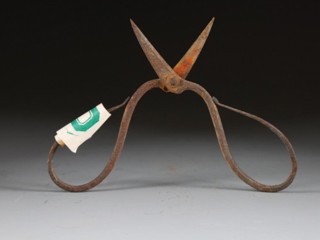 Traces of Ancient Anaesthetic Found on Ming Dynasty Surgical Tools (27-05-2026)
A new archaeological study has identified probable traces of aconitine-based compounds on medical instruments from a Ming Dynasty tomb in Jiangyin, China, offering rare physical evidence for the use of anaesthetic substances in ancient Chinese surgery. The research examined two metal instruments—scissors and tweezers—associated with the tomb of Xia Quan, who lived between 1348 and 1411 AD....
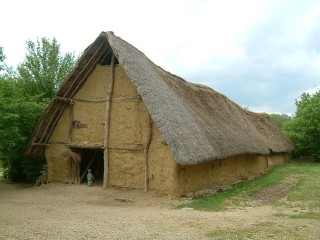 Neolithic House Size May Not Signal Inequality (26-05-2026)
A new archaeological study challenges the idea that larger houses in early farming communities necessarily reflected higher social status or wealth. The research examines household organization in a Linear Pottery culture settlement at Těšetice-Kyjovice in the Czech Republic, dating to around 5300–5000 BC....
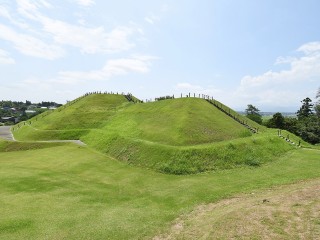 New Ways to Protect Metal Artifacts Inside Ancient Japanese Tumuli (25-05-2026)
A new study published as an article in press in npj Heritage Science examines how metal artifacts may corrode when preserved inside ancient burial mounds, offering new insights for the future in-situ conservation of archaeological materials. The research focuses on Japanese tumuli, known as kofun, many of which contain stone chambers and burial goods made of iron and bronze....
 Ancient DNA Reveals Migration and Family Burial Traditions in Pre-Inca Peru (25-05-2026)
A new ancient DNA study has revealed evidence of long-distance migration and close family burial practices on the Pacific coast of southern Peru before the rise of the Inca Empire. The research analyzed genome-wide data from 21 individuals buried in the Chincha Valley, a major coastal region that later became part of the Inca world....
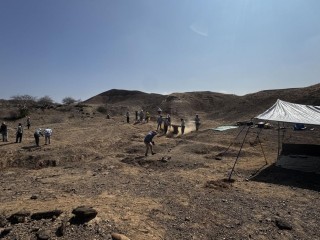 Possible Earliest Evidence of Human Cremation Found in Ethiopia (24-05-2026)
Researchers working in Ethiopia’s Afar Rift may have identified the earliest known evidence of human cremation, dating back around 100,000 years. The discovery was made in one of the best-preserved open-air archaeological areas associated with early Homo sapiens communities....
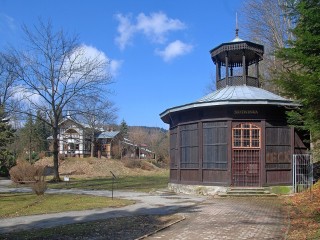 Mobile GIS Offers New Path for Protecting Local Heritage Sites (23-05-2026)
A new study highlights the potential of mobile GIS tools in improving the management and protection of cultural heritage sites, especially those of regional and local importance. The research focuses on a major challenge in heritage conservation: many smaller historic sites are vulnerable to tourism pressure, climate-related risks, natural disasters, and human activity, yet they often lack regular monitoring systems....
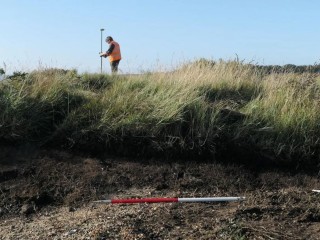 Tudor Coastal Fort to Be Investigated Before Erosion Claims the Site (22-05-2026)
Archaeologists are preparing to uncover the remains of a Tudor coastal fort on Mersea Island in Essex, East of England, in an effort to record the site before it is lost to coastal erosion. The Tudor blockhouse was constructed in 1543 during the reign of Henry VIII to defend the entrance to the Colne estuary, an important maritime route on England’s east coast....
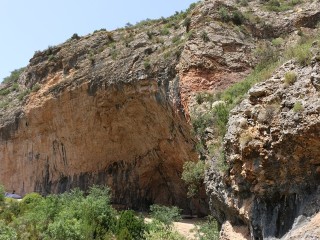 Stone Tools Reveal Mobility in the Upper Paleolithic Pyrenees (21-05-2026)
A new archaeological study has traced how prehistoric communities adapted their use of stone resources across thousands of years in the southern Pyrenees, revealing changing mobility patterns and technological choices during the Upper Paleolithic. The research focuses on Cova Gran de Santa Linya, one of the region’s most important prehistoric rock shelters....
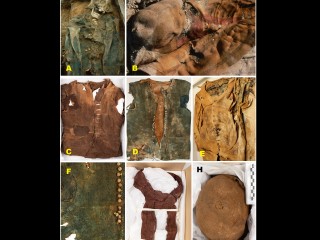 Arctic Warming Threatens Historic Whaling Burials in Svalbard (20-05-2026)
A new study warns that rapid Arctic warming is accelerating the loss of permafrost-preserved archaeological heritage at Likneset, an early modern whaling burial site in Svalbard. The research examines 20 individuals excavated across three phases between 1985 and 2019, combining burial preservation analysis with osteological study....
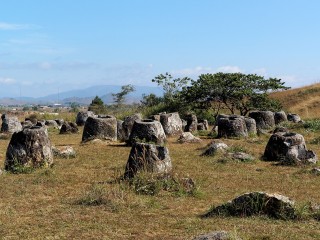 Excavation Reveals New Mortuary Tradition at Laos’ Plain of Jars (19-05-2026)
A new archaeological study has revealed important evidence for a previously unknown mortuary tradition at the Plain of Jars in northern Laos, one of Southeast Asia’s most mysterious megalithic landscapes. The research focuses on Site 75, where archaeologists fully excavated a large stone vessel known as Jar 1....
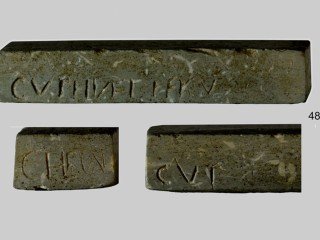 Roman Medical Care in Colchester Revealed Through New Study (18-05-2026)
A newly published study has brought together decades of discoveries from Colchester to provide one of the most detailed pictures yet of healthcare in Roman Britain. The research examines medical instruments, eye-treatment stamps, surgical tools, and evidence of disease recovered from across the ancient town and its surrounding cemeteries....
 Roman Mosaics in Spain Made from Recycled Mining Waste, Study Finds (17-05-2026)
A new study has revealed that black tesserae used in Roman mosaics from southern Spain were produced using recycled metallurgical waste derived from ancient lead and silver smelting activities. The research provides rare direct evidence for the reuse of industrial by-products in Roman decorative art....
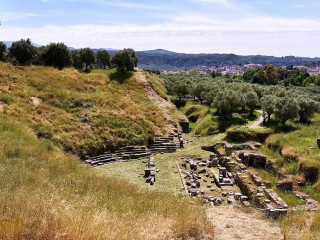 New Study Reassesses the Early History of the Lacedaemonians in Ancient Laconia (16-05-2026)
A new archaeohistorical study explores the origins and development of the Lacedaemonians through two important archaeological sites in Laconia: the recently discovered Mycenaean palace at Aghios Vasileios near Xirokambi and the Sanctuary of Apollo at Amyklai. The research argues that the Lacedaemonians were not a fixed or uniform population, but a changing regional community whose identity evolved from the Late Bronze Age into the Archaic period....
 Medieval Ceramics Reveal Innovation and Exchange in Southern Italy (15-05-2026)
A new study has examined medieval glazed ceramics from southern Italy, showing how potters between the 13th and 14th centuries developed creative technological solutions while working within the wider cultural networks of the Mediterranean. The research focused on fine tableware from sites in northern Apulia, including Castel Fiorentino, Lucera, Siponto, Canosa, and Melfi....
 New Study Challenges Conventional Timeline for Horse Domestication and Riding (14-05-2026)
A new review published in Science Advances argues that horse domestication and horseback riding began centuries earlier than some recent genetic studies have suggested. Drawing on archaeological, genetic, osteological, and biomolecular evidence, the researchers contend that humans were already managing, milking, and riding horses long before the widespread expansion of the DOM2 horse lineage around 2200–2100 BC....
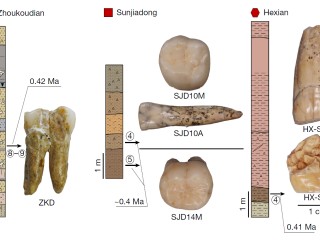 Ancient Proteins Reveal Genetic Links Between Homo erectus and Denisovans (13-05-2026)
Researchers have successfully extracted and analysed ancient enamel proteins from six Homo erectus individuals discovered at three major archaeological sites in China, providing some of the first informative molecular evidence ever recovered from this species. The fossils, dating to around 400,000 years ago, come from the Zhoukoudian, Hexian, and Sunjiadong sites in northern and southern China....
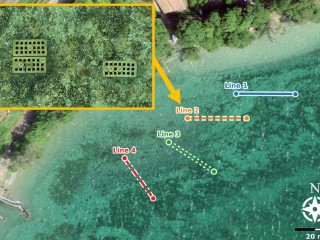 Flash Lidar Technology Opens New Possibilities for Underwater Archaeology (12-05-2026)
Researchers have demonstrated the successful use of flash lidar technology for high-resolution mapping of submerged archaeological sites, offering a faster and more detailed alternative to many traditional underwater survey methods. The study tested the system at three European heritage sites in Switzerland, Germany, and Greece, where it produced dense three-dimensional models of underwater structures and landscapes....
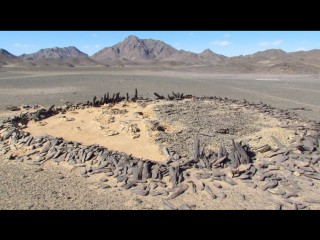 Monumental Burial Tradition Reveals Ancient Pastoral Culture in the Atbai Desert (11-05-2026)
A new archaeological study has identified hundreds of monumental prehistoric burial structures across the Atbai Desert between the Nile Valley and the Red Sea, shedding new light on little-known pastoral societies that inhabited the region during the mid-Holocene period. The research suggests these monuments belonged to mobile cattle-herding communities that adapted to major environmental changes during the gradual end of the African Humid Period....
 Why Jurassic Coast and Isle of Wight Are Fossil Hotspots (10-05-2026)
The beaches of southern England’s Jurassic Coast and the Isle of Wight continue to produce remarkable prehistoric discoveries, including a recently identified fragment of one of the world’s earliest marine crocodiles found near Lyme Regis. According to palaeontologists, the exceptional fossil wealth of these regions is largely the result of their unique geology and constant coastal erosion....
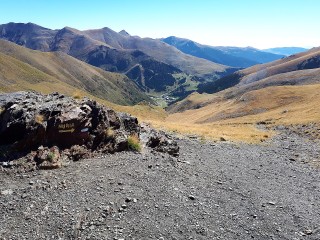 Evidence of Prehistoric Occupation Discovered Above 2000 Meters in the Pyrenees (09-05-2026)
Archaeologists working in the eastern Pyrenees have uncovered what is described as the highest-known prehistoric cave site with sustained human occupation in the mountain range. Located at an altitude of 2,235 meters in the Núria Valley of northeastern Spain, Cave 338 preserves evidence of repeated human activity spanning from at least the early 5th millennium BC to the late 1st millennium BC....
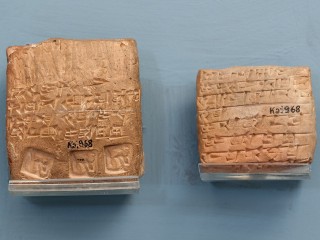 Ancient Cuneiform Letters Read Without Opening Their Clay Envelopes (08-05-2026)
Researchers have successfully revealed the contents of 4,000-year-old cuneiform letters still sealed inside clay envelopes using a newly developed portable X-ray computed tomography scanner. The breakthrough allows scholars to study fragile texts without physically opening or damaging the artefacts....
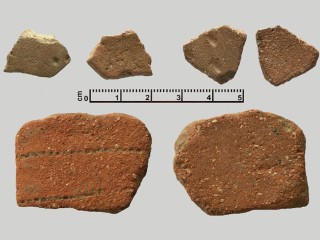 Neolithic Ditches May Reveal Early Water Management in the Aegean (07-05-2026)
A new archaeological study suggests that some of the earliest Neolithic ditches in the Aegean may have been used not only as boundaries or defensive features, but also as practical systems for managing water and supporting early cultivation. The study focuses on Early and Middle Neolithic settlements dating between about 6500 and 5500 BC, with special attention to Elateia 1 in northeastern Thessaly....
 Digital Technologies Help Preserve Historic Jungar Temple Complex in China (06-05-2026)
A new study highlights how advanced digital technologies are being used to document and preserve the historic Jungar Temple complex in Inner Mongolia, northern China. The research focused on the Jungar Temple complex, one of the oldest Gelug Tibetan Buddhist monasteries in the Ordos region....
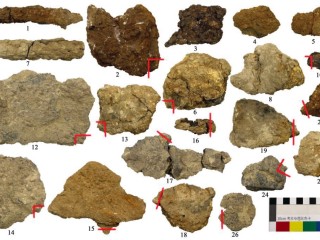 Iron Production in Ancient Xinjiang Reveals Frontier Innovation in the Han Era (05-05-2026)
New archaeological research from the Zhuoerkut site in southern Xinjiang is shedding light on iron production and technological practices along the frontiers of the Han dynasty. The site, located on the northern edge of the Tarim Basin, was an important urban center associated with the Western Regions Protectorate....
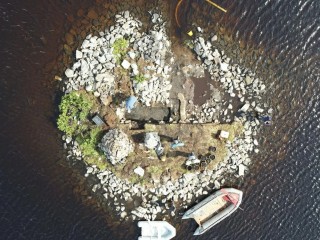 Ancient Island in Scotland Reveals Hidden Wooden Foundation (04-05-2026)
Archaeologists have discovered that a prehistoric artificial island in Loch Bhorgastail on the Isle of Lewis was built on a large wooden platform hidden beneath its stone surface. The site, known as a crannog, appears today as a stone island, but new excavation work by researchers from the University of Southampton has shown that timber formed the main structural base....
 Dragon Stones Point to Organized Society in Ancient Armenian Highlands (04-05-2026)
A new study suggests that prehistoric (dragon stones) or (vishapakar) in the Armenian Highlands may reflect the existence of an organized society capable of managing large-scale ritual and water-related activities around 4000 BC. The study examines vishaps, monumental stone stelae carved from volcanic rock and often decorated with animal imagery....
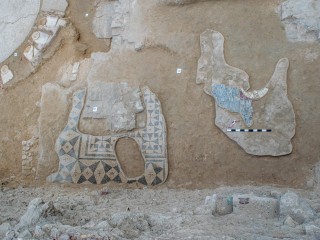 New Excavations Reveal Urban Development of Ancient Alexandria (03-05-2026)
Rescue excavations in the Muharram Bey district of Alexandria have uncovered significant archaeological remains that provide new insight into the city’s urban development across multiple historical periods. The work, conducted by the Supreme Council of Antiquities, revealed a continuous sequence of occupation extending from the Ptolemaic period through the Roman era and into the Byzantine period....
 Climate Shifts Shaped Health and Population Patterns in the Ancient Andes (02-05-2026)
A new bioarchaeological study reveals that long-term changes in rainfall played a significant role in shaping human health and population dynamics in the ancient Andes over the past 5,000 years. The research examines how fluctuations in precipitation affected both metabolic stress and fertility among pre-Hispanic populations in South America....
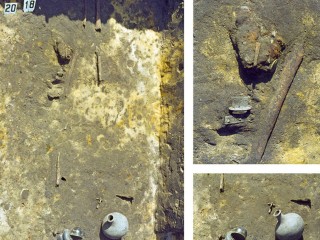 A Fifth Century Burial Reveals a Changing Economy in the Post Roman World (01-05-2026)
A burial discovered at the Roman coastal fort of Oudenburg in present-day Belgium is offering new insights into how people adapted to economic change after the decline of the Roman monetary system. The grave, dated to the late fourth or early fifth century AD, contained a purse filled with a mix of coins and fragmented metal objects....
 Malaria Influenced Human Settlement Patterns for 74000 Years (30-04-2026)
A new study suggests that malaria played a major role in shaping where early humans lived and moved across Africa for tens of thousands of years, challenging the long-held view that climate alone determined human settlement patterns. The research examined how the risk of malaria transmission influenced human behavior between 74,000 and 5,000 years ago....
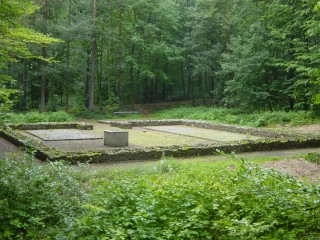 DNA Study Reveals How Local Communities Shaped Post Roman Europe (29-04-2026)
A new genetic study has shed light on how everyday communities transformed Europe following the collapse of Roman rule, revealing that local interactions and intermarriage played a greater role than large-scale migrations. The research analyzed more than 250 ancient genomes from burial sites along the former Roman frontier in present-day Germany, dating between the 5th and 7th centuries AD....
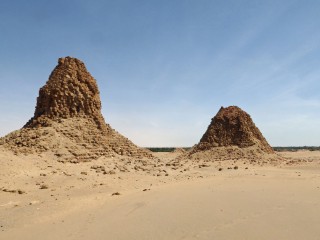 Nile Dynamics Shaped the Rise of Ancient Nubia (28-04-2026)
New research has revealed how long-term changes in the Nile River directly influenced the development of ancient Nubian civilization, particularly the city of Napata in northern Sudan. The study, based on sediment analysis and archaeological evidence, reconstructs the evolution of the Nile landscape over the past 12,500 years in the region surrounding Jebel Barkal....
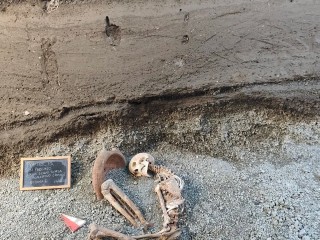 Man Used Mortar to Shield Himself During Vesuvius Eruption (27-04-2026)
Archaeological investigations in the Porta Stabia necropolis of Pompeii have revealed new details about the final moments of two victims of the AD 79 eruption of Mount Vesuvius, including a man who attempted to protect himself using a terracotta mortar. Excavations conducted just outside the ancient city walls uncovered the remains of two individuals who were likely trying to reach the coast during the catastrophic event....
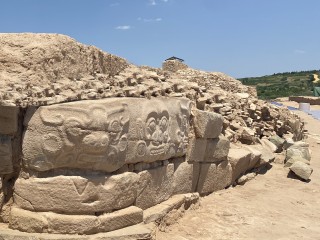 AI and Spectral Imaging Improve Identification of Ancient Ruins (26-04-2026)
A new study has introduced a high-precision method for identifying ancient human ruins by combining visible near-infrared spectroscopy with deep learning. The approach aims to distinguish archaeological remains from surrounding natural sediments, a task that is often difficult because many ruins gradually blend into their environment over time....
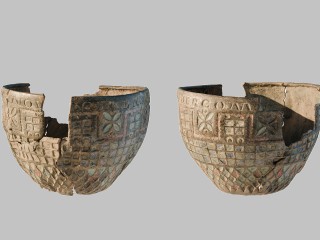 New Evidence of Hadrian Wall Artifacts Found in Spain (25-04-2026)
A newly studied Roman artifact discovered in central Spain is shedding fresh light on the famous Hadrian’s Wall in Britain, offering important new insights into Roman military life and long-distance cultural connections. Known as the Berlanga Cup, the object is a bronze vessel decorated with colored enamel and inscribed with the names of Roman forts....
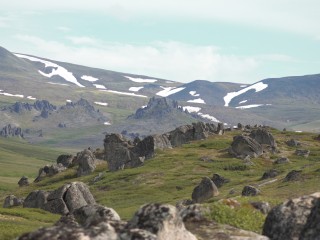 Genomic Study Reveals Complex Origins and Diversity of Indigenous Americans (24-04-2026)
A major genomic study has revealed a far more complex evolutionary history for Indigenous peoples of the Americas than previously understood, highlighting multiple migration waves, deep genetic diversity, and long-term adaptation to diverse environments. The research analyzed 128 high-quality genomes from Indigenous populations across Latin America, representing dozens of communities and language groups....
 Scientific Analysis Confirms Early Chicken Husbandry in Ancient Korea (23-04-2026)
A new scientific study has confirmed the presence and management of domestic chickens on the Korean Peninsula during the Proto–Three Kingdoms period, offering clearer evidence for early animal husbandry in the region. The research focused on bird remains from the Gungok-ri archaeological site in southwestern Korea, a major settlement dating between the 3rd century BC and the 5th century AD....
 Archaeologists Document 124 Shipwrecks in the Bay of Algeciras (22-04-2026)
Spanish archaeologists have identified 151 underwater archaeological sites, including 124 shipwrecks, in the Bay of Algeciras near the Strait of Gibraltar, highlighting the long-term strategic and commercial importance of this maritime corridor. The discoveries were made during an archaeological survey conducted between 2020 and 2023 in the bay, a key anchorage on the eastern side of the strait....
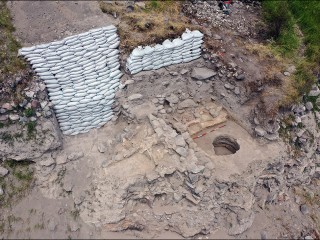 Survey and Excavation Project Brings New Focus to Southern Georgia Archaeology (21-04-2026)
New results from the Samtskhe-Javakheti Archaeological Project are offering fresh insight into the cultural history of the highlands of southern Georgia, a region long considered one of the least explored parts of the South Caucasus. Since 2017, the joint Georgian-Italian project has documented around 168 archaeological sites and carried out excavations at key locations including Meghreki Fortress and Baraleti Natsargora....
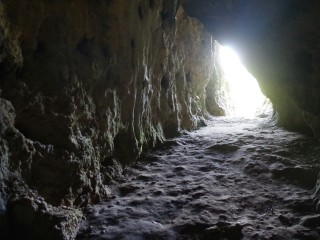 New Genetic Evidence Reconstructs Early Neanderthals in Central Eastern Europe (20-04-2026)
A new study has shed light on one of the oldest genetically reconstructed Neanderthal groups in Central-Eastern Europe, based on ancient mitochondrial DNA extracted from eight teeth discovered in Stajnia Cave in Poland. The research offers a rare opportunity to examine several Neanderthal individuals from the same site and the same broad chronological horizon, providing an unusually coherent picture of a local group living around 100,000 years ago....
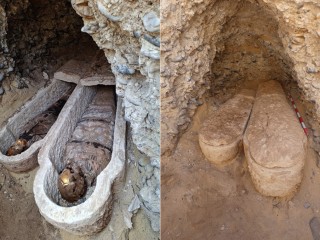 Roman Necropolis and Rare Iliad Papyrus Discovered at Oxyrhynchus (19-04-2026)
A Spanish archaeological mission working at Oxyrhynchus (El-Bahnasa) in Egypt’s Minya Governorate has uncovered a Roman-period burial complex, revealing new details about funerary practices during the transition from the Ptolemaic to the Roman period. The excavation produced several mummies dating to the Roman era, some wrapped in linen bandages decorated with geometric motifs, alongside wooden sarcophagi....
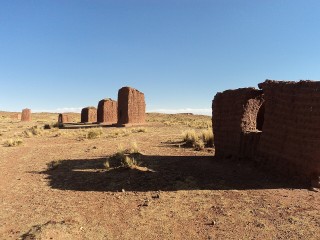 Bolivian Mummy Yields Earliest Confirmed Genome of Streptococcus in the Americas (18-04-2026)
Researchers have reconstructed an ancient genome of Streptococcus pyogenes—the bacterium responsible for illnesses such as strep throat—from a pre-Columbian mummy in Bolivia, providing the earliest confirmed evidence of the pathogen in the Americas before European contact. The individual, a naturally mummified young adult from the Late Intermediate Period, has been radiocarbon dated to 1283–1383 AD....
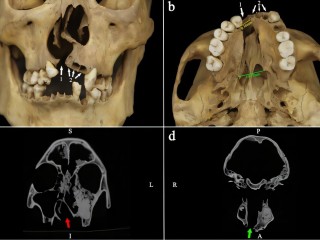 Qing Dynasty Burial Reveals Care and Social Inclusion for Young Man with Cleft Lip in China (17-04-2026)
A newly published osteoarchaeological study has identified the first known archaeological case of cleft lip and palate in China, offering rare insight into caregiving and social attitudes in the Qing dynasty. The individual, a young man buried at the Wenchi cemetery in Shanxi Province, appears to have received sustained care from infancy and to have remained fully integrated within his community throughout his life....
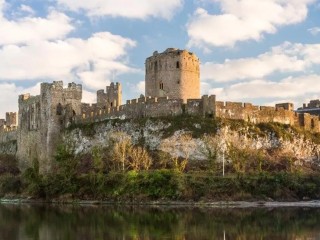 Prehistoric Cave Beneath Pembroke Castle May Transform Understanding of Britain Past (16-04-2026)
Archaeologists are preparing for a major new investigation of a large cave beneath Pembroke Castle in Wales after early excavations revealed rare evidence of human and animal activity spanning more than 100,000 years. Known as Wogan Cavern, the site lies beneath the 11th-century castle and was long thought to hold little archaeological potential....
 Ancient Cuneiform Tablets Reveal Magic and Kings (15-04-2026)
A long-overlooked collection of ancient clay tablets has been brought to light through a new research project, revealing a rich glimpse into life in the ancient Middle East. Housed for more than a century at the National Museum of Denmark, the tablets—some over 4,000 years old—have now been fully studied, identified, and digitised for the first time....
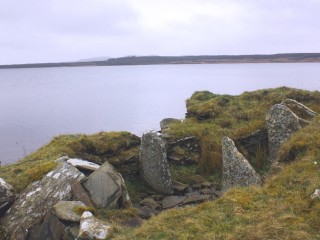 Ancient DNA Study Traces Kinship Networks in Neolithic Northern Scotland (14-04-2026)
A new study combining archaeology and ancient DNA has offered fresh insight into kinship, burial practices, and monument building in Neolithic northern Scotland. Focusing on five chambered tombs in Caithness and Orkney, the research examined the genetic relationships of individuals buried in these sites and placed the findings within their architectural and archaeological contexts....
 Costumes of Authority in Christian Nubia (13-04-2026)
A recent research project has explored how clothing expressed political and religious authority in Christian Nubia between the ninth and fourteenth centuries. Focusing on the Makurian kingdom, the study examined how royal and ecclesiastical garments conveyed status, ideology, and the relationship between Church and state....
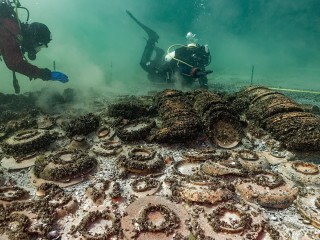 Hidden Roman Ship Cargo Revealed in Lake Neuchatel (12-04-2026)
Archaeologists working in Lake Neuchâtel in Switzerland have recovered more than 1,000 remarkably well-preserved Roman artefacts, dating to approximately 20–50 AD. The discovery, initially kept confidential to prevent looting, represents one of the most significant underwater finds in the region in recent years....
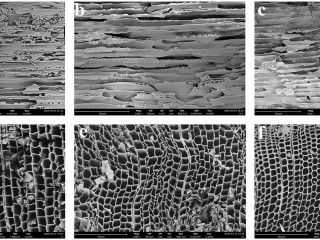 Ancient Tomb Wood Study Reveals Hidden Patterns of Decay in Arid Environments (11-04-2026)
A new scientific study of wooden artefacts from a Tang Dynasty tomb in northwestern China is shedding light on how organic materials deteriorate in dry burial environments. By examining timber from the tomb of Murong Zhi in Gansu Province, researchers have identified clear patterns of decay that vary significantly from the outer surface to the interior of the wood....
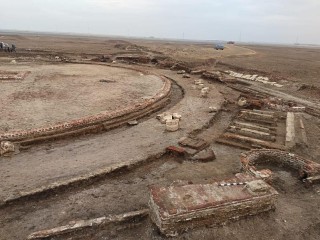 Water Temple Discovery at Pelusium Redefines Ancient City Religious Role (10-04-2026)
Archaeologists working at Tell El-Farama in North Sinai have uncovered a rare ritual complex centred on water, offering a major new insight into the ancient city of Pelusium. The discovery follows six years of excavation by a mission from Egypt’s Supreme Council of Antiquities and is now prompting a reassessment of the site’s historical significance....
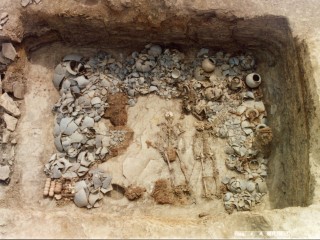 Ancient DNA Reveals Family Ties and Marriage Practices in Early Korean Society (09-04-2026)
A new genetic study of ancient human remains from southeastern Korea has shed light on family structures and social customs during the Three Kingdoms period (57 BC–AD 668). By analyzing genome-wide DNA from dozens of individuals buried at the Imdang-Joyeong site, researchers have uncovered a complex network of biological relationships spanning multiple generations....
 Silver Coin Discovery Confirms Lost Spanish Colony at the Strait of Magellan (08-04-2026)
Archaeologists working in southern Chile have uncovered a 16th-century Spanish silver coin near the Strait of Magellan, providing strong evidence for the location of a long-lost colonial settlement. The coin, known as an “8-real” or “piece of eight,” was discovered during excavations at the site of Ciudad del Rey Don Felipe, a short-lived Spanish colony founded in 1584....
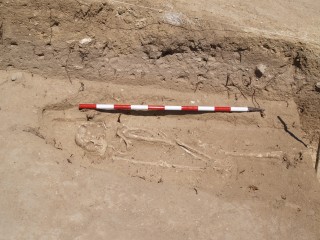 DNA Study Sheds Light on Menga Dolmen Medieval Burial in Spain (07-04-2026)
New genetic research has provided fresh insight into a man buried during the Middle Ages in Dolmen de Menga in southern Spain, while leaving open important questions about the beliefs of those interred there. The Dolmen de Menga is a major megalithic monument dating to the 4th millennium BC....
 Completion of the Restoration of the Library at Angkor Wat Temple in Cambodia (06-04-2026)
Archaeologists in Cambodia have completed the restoration of the northern library on the second level of Angkor Wat, reopening an important but long-inaccessible part of the temple. According to the APSARA National Authority, the work began in November 2025 and was completed at the end of March 2026....
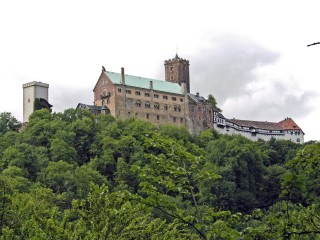 Unauthorized Dig at Metilstein Castle Triggers Heritage Debate in Germany (05-04-2026)
An unauthorised excavation at the ruins of Metilstein Castle near Eisenach has sparked debate in Germany over the protection of archaeological heritage and the role of amateur researchers in uncovering the past. According to the report, an amateur investigator carried out digging over several weeks at the medieval site without official approval, exposing wall remains in multiple areas....
 Chinese Fossil Site Reveals Complex Animal Life Before the Cambrian Explosion (04-04-2026)
A newly discovered fossil site in Yunnan Province is reshaping scientific understanding of early animal evolution, revealing that complex life forms emerged earlier than previously believed. The site, known as the Jiangchuan Biota, has yielded more than 700 fossil specimens dated between approximately 554 and 539 million years ago, placing them in the late Ediacaran Period....
 New Fossil Rekindles Debate Over Homo habilis and the Origins of Humanity (03-04-2026)
A newly described fossil skeleton is reshaping scientific debate about one of the earliest members of the human lineage, raising fresh questions about whether Homo habilis truly belongs within the human genus. First identified in the 1960s, Homo habilis has long been considered one of the earliest human species, dating between approximately 2....
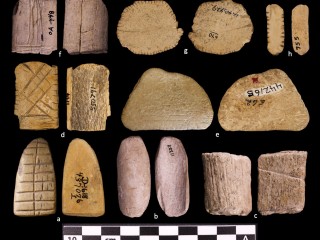 New Study Traces Native American Dice Traditions Back 12000 Years (02-04-2026)
A new archaeological study argues that dice, games of chance, and gambling were part of Indigenous life in North America far earlier than previously recognized, with possible origins reaching back some 12,000 years to the Late Pleistocene. The research examined historic Native American dice documented in ethnographic records and used their shared features to build a morphological framework for identifying similar objects in archaeological contexts....
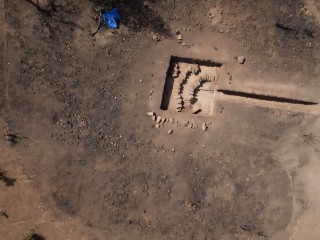 Prehistoric Ironworking Workshop in Senegal Sheds Light on Early Metallurgy (01-04-2026)
Archaeologists working in eastern Senegal have uncovered a remarkably well-preserved iron-smelting workshop that is offering important new evidence for the study of early metallurgy in West Africa. The site, known as Didé West 1, lies near the Falémé River valley and was used from the 4th century BC to the 4th century AD....
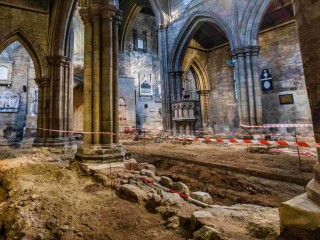 Anglo Saxon Church Remains Discovered Beneath Darlington Place of Worship (31-03-2026)
Archaeological work at St Cuthbert’s Church in Darlington has revealed the remains of an earlier place of worship beneath the existing building, offering new insight into the site’s early medieval history. The discovery was made during a £2....
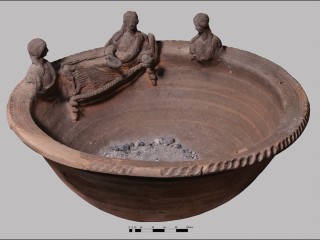 Residue Analysis Reveals Incense Use in Pompeii Domestic Rituals (30-03-2026)
A new archaeological study examining preserved residues from incense burners in Pompeii has provided the first direct material evidence of incense use in domestic religious practices during the Roman period. The research focused on two terracotta censers recovered from household contexts in Pompeii and a nearby villa....
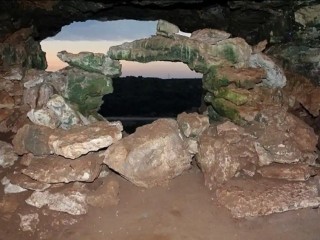 Isotope Study Reveals Diet and Farming Strategies in Prehistoric Menorca (29-03-2026)
A recent archaeological study examining human remains from Menorca has provided new insights into diet and subsistence practices during the Late Bronze and Early Iron Age. The research focuses on the funerary site of Biniadrís Cave, where well-preserved organic materials and skeletal remains have enabled detailed bioarchaeological analysis....
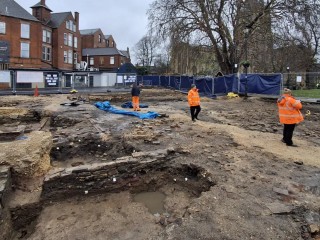 Excavations Reveal 17th Century Settlement in Chesterfield in England (28-03-2026)
Archaeological investigations in the historic centre of Chesterfield have uncovered well-preserved remains that shed new light on the town’s post-medieval past. The discoveries were made at Rykneld Square, close to the landmark Church of St Mary and All Saints, where redevelopment works were temporarily halted following initial finds....
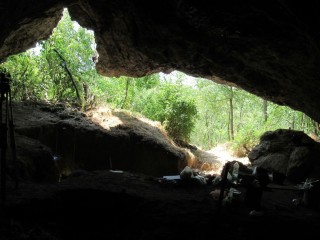 Genetic Bottleneck Reshaped Neanderthal History 65000 Years Ago (27-03-2026)
A new genetic study has revealed a major turning point in Neanderthal history, showing that nearly all European Neanderthal populations disappeared around 65,000 years ago, leaving only a single surviving lineage that later spread across the continent. The research, published in the journal PNAS, analyzed mitochondrial DNA from Neanderthal remains discovered across multiple European sites....
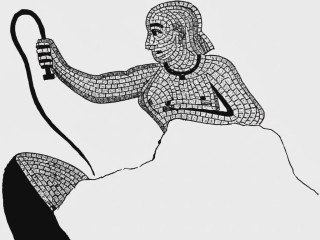 Roman Mosaic Depicts Rare Scene of Female Beast Hunter in Arena (26-03-2026)
A newly analyzed Roman mosaic has revealed what may be the first known visual depiction of a woman fighting a wild animal in an arena, offering rare insight into the role of women in Roman spectacle culture. The artwork, dated to the third century AD, was discovered in Reims in the 19th century....
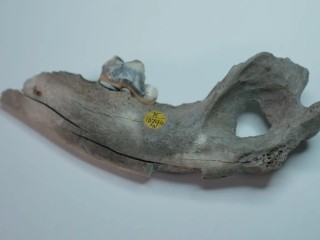 Ancient Jawbone Reveals Dogs Lived with Humans 15000 Years Ago (25-03-2026)
A small jawbone discovered in a cave in southwestern Britain has provided the earliest clear evidence of domesticated dogs living alongside humans, significantly reshaping the timeline of human–animal relationships. The fragment, recovered from Gough's Cave, was originally excavated in the early 20th century but remained unrecognized for decades....
 Zinc Isotopes Reveal Diet and Daily Life in Ancient Sumer (24-03-2026)
A new scientific study has provided rare insight into the daily life and diet of early urban populations in southern Mesopotamia, using an innovative method that overcomes long-standing archaeological limitations. Focusing on the ancient site of Abu Tbeirah, dating to the third millennium BC, researchers analyzed human and animal teeth to reconstruct dietary patterns....
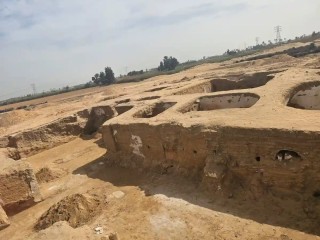 5th Century Monastic Guesthouse Discovered in Beheira Region in Egypt (23-03-2026)
Archaeological excavations in northern Egypt have uncovered a fifth-century AD structure believed to have functioned as a monastic guesthouse, offering new insight into the early development of Coptic monastic life. The discovery was made at the Al-Qalaye site, one of the country’s oldest monastic centres....
 Ancient Vineyards Revived in Pompeii to Recreate Roman Winemaking Heritage (22-03-2026)
A new heritage-focused initiative is bringing ancient agricultural traditions back to life within the archaeological site of Pompeii, where vineyards are being replanted to revive a practice deeply rooted in Roman history. Dozens of grapevines have been cultivated among the ruins, with plans to produce thousands of bottles of wine grown directly within the historic site....
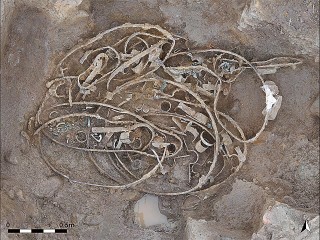 Iron Age Hoards Reveal Earliest Evidence of Four Wheeled Wagons in Britain (21-03-2026)
Archaeological investigations in northern England have uncovered two remarkable Iron Age hoards, offering the first clear evidence for the use of four-wheeled wagons in Britain and shedding new light on the region’s technological and social landscape. The discovery began in 2021, when a metal detectorist located a concentration of buried metal objects near an important Iron Age center in North Yorkshire....
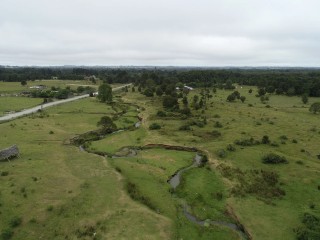 New study questions the age of the Monte Verde site in Chile (20-03-2026)
A new study is challenging the long-accepted age of Monte Verde, one of the most important archaeological sites for understanding the earliest human presence in the Americas. For decades, Monte Verde in southern Chile has been considered key evidence that humans were present in the Americas around 14,500 years ago....
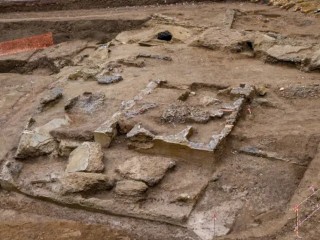 Iron nails in Roman burials may reflect rituals to protect the living and the dead (19-03-2026)
Archaeologists working in the Ostiense necropolis in Rome have uncovered three burials dating to around 1,800 years ago, in which iron nails were deliberately placed on the chests of the deceased. The discovery provides rare insight into ancient Roman beliefs about death, protection, and the afterlife....
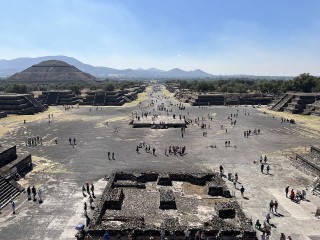 Democracy May Have Had Broad Roots in the Ancient World (18-03-2026)
A new comparative study of ancient societies is challenging the long-standing view that democracy was largely limited to Greece and Rome. By examining archaeological and historical evidence from 31 ancient societies across Europe, Asia, and the Americas, researchers found that shared and inclusive forms of governance were more widespread in the ancient world than previously assumed....
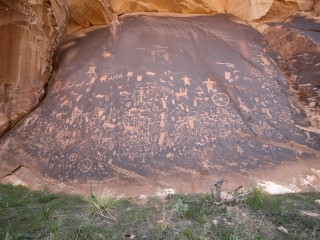 Study Reveals Rapid Spread of Bow Technology in Western North America 1400 Years Ago (17-03-2026)
A new archaeological study has clarified the timing and spread of bow-and-arrow technology in western North America, showing that it was adopted rapidly around 1,400 years ago, marking a major shift in prehistoric hunting systems. The research is based on a dataset of 140 radiocarbon dates from 136 well-preserved organic weapons, including bows, arrows, atlatls, and darts, spanning the past 10,000 years....
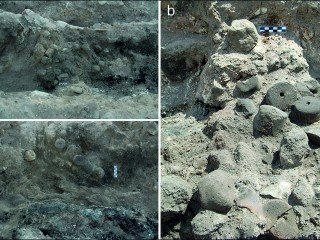 Bronze Age Loom Reveals Early Textile Production in Iberia (16-03-2026)
Archaeologists working at the Bronze Age settlement of Cabezo Redondo in southeastern Spain have uncovered rare evidence of a warp-weighted loom, offering new insight into textile production around the mid-second millennium BC. The discovery was made on a raised platform within a circulation area connecting several houses at the site....
 The Mystery of the Indus Civilization Script (15-03-2026)
The script of the Indus Valley Civilization, one of the earliest urban cultures in the world, remains one of archaeology’s most enduring mysteries. Developed around 4,000 years ago by a civilization that flourished across present-day Pakistan, northwestern India, eastern Iran, and parts of Afghanistan, the writing system is still undeciphered despite decades of research....
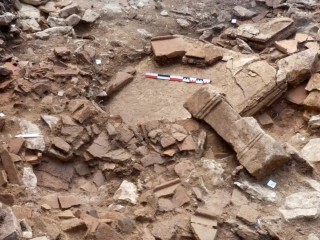 Gallo Roman Sanctuary with Temples Discovered in France (14-03-2026)
Archaeological excavations in Mancey, in the French department of Saône-et-Loire, have uncovered the remains of a large Gallo-Roman sanctuary that remained active for nearly five centuries, from the end of the Iron Age until the late fourth century AD. The site includes two temples, ritual areas, and evidence of ceremonial banquets likely attended by members of the local elite....
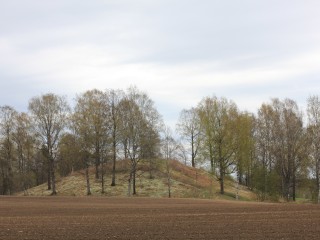 Largest Mound in Scandinavia Linked to a 6th Century Catastrophe (13-03-2026)
A new archaeological study has proposed a striking reinterpretation of Raknehaugen, the largest prehistoric mound in Scandinavia, suggesting that the monumental structure was not built as a royal tomb but rather as part of a collective ritual response to a catastrophic natural disaster during the sixth century AD. Located about 40 kilometers north of Oslo, Raknehaugen measures approximately 95 meters in diameter and 13 meters in height, making it the largest prehistoric monument of its kind in the region....
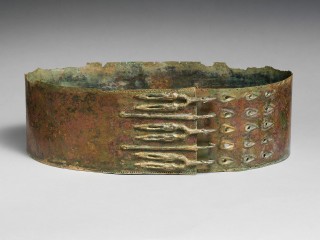 Children Buried with Warrior Belts Discovered in Ancient Cemetery in Southern Italy (12-03-2026)
Archaeologists working in southern Italy have uncovered an unusual discovery in an ancient cemetery: the graves of two children buried wearing large bronze warrior belts. The burials were discovered during excavations at a former tobacco factory in Pontecagnano, in the Campania region....
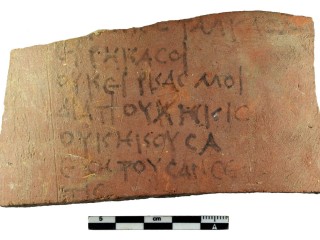 Thousands of Ostraca Discovered at Athribis Reveal Daily Life and Astronomy in Ancient Egypt (11-03-2026)
Archaeologists working at the ancient Egyptian site of Athribis in Upper Egypt have uncovered 13,000 inscribed ostraca—ceramic fragments bearing written texts and drawings—during the latest excavation season. The discovery significantly increases the total number of ostraca found at the site to around 43,000 pieces, making Athribis the largest known concentration of such material at a single archaeological location....
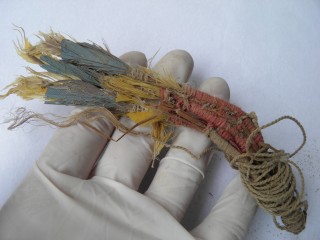 Amazonian Parrots Transported Across the Andes for Elite Feather Ornaments (10-03-2026)
A new scientific study has revealed that a pre-Inca society in ancient Peru transported live parrots from the Amazon rainforest across the Andes Mountains to obtain their colorful feathers for elite ceremonial use. Researchers analyzed feathers discovered in a burial near the Temple of Pachacamac, about 32 kilometers south of Lima....
 Lost Page from the Archimedes Palimpsest Identified in a French Museum (09-03-2026)
Researchers have identified a page long believed to be missing from the famous Archimedes Palimpsest, one of the most important surviving manuscripts of antiquity. The page was discovered at the Musée des Beaux-Arts in Blois in central France....
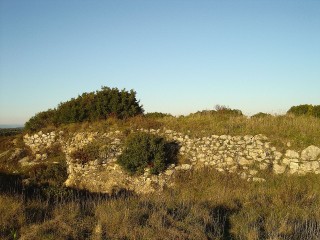 How Farming Spread Through Marriages Between Neolithic Women and Hunter Gatherers (08-03-2026)
New genetic research is reshaping our understanding of how farming spread across prehistoric Europe. Ancient DNA evidence suggests that Neolithic farming knowledge may have spread partly through marriages between farming women and local hunter-gatherer men thousands of years ago....
 Blue Pigment in Pompeii Cost Nearly the Annual Pay of a Roman Soldier (07-03-2026)
A new scientific study has revealed the extraordinary cost of decorating a small room in a Pompeii house with Egyptian blue—the most prized synthetic pigment of antiquity. Researchers estimate that the pigment alone may have cost nearly the equivalent of a Roman legionary’s yearly salary....
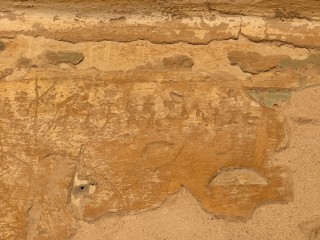 Ancient Indian Visitors Left Inscriptions in the Valley of the Kings 2000 Years Ago (06-03-2026)
Archaeologists have identified dozens of ancient graffiti inscriptions left by visitors from South Asia inside tombs in Egypt’s Valley of the Kings, dating to roughly 2,000 years ago during the Roman period. Researchers documented about 30 inscriptions written in three Indian languages across six tombs in the famous royal necropolis near Luxor....
 How Language May Have Emerged During Human Evolution (05-03-2026)
The languages spoken by ancient humans have left no direct trace, as speech does not fossilize. Nevertheless, paleoanthropologists attempt to reconstruct the origins and possible sounds of early human communication by studying fossils, archaeological artifacts, and the evolution of the human body....
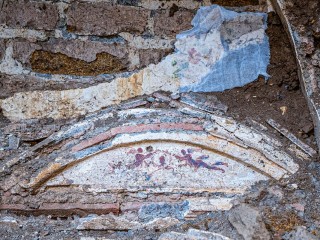 Decorated Roman Tomb Complex with Winged Victory Motifs Discovered in Rome (04-03-2026)
Archaeologists conducting preventive excavations in southern Rome have uncovered an extensive funerary complex belonging to the ancient Ostiense Necropolis, revealing a previously unknown sector of one of the city’s largest burial landscapes. The discovery was made during preparations for the construction of a student residence in the San Paolo Fuori le Mura district along Via Ostiense, an important Roman road that once connected the city to its ancient seaport....
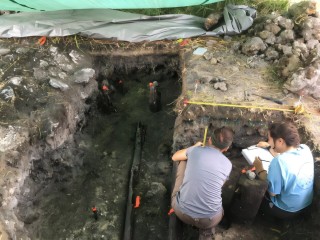 Newly Excavated Maya Wetland Settlement Reveals Climate Adaptation in Belize (03-03-2026)
Archaeologists have uncovered a remarkable Maya wetland settlement in northwestern Belize that sheds new light on how the Maya adapted to environmental and social change between AD 800 and 1500. The excavation at the Birds of Paradise wetland field complex revealed the largest collection of inland wooden architecture ever found in the Lowland Maya region....
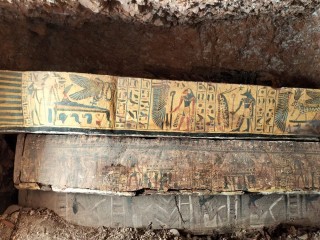 Cache of 22 Sarcophagi of the Singers of Amun and Eight Sealed Papyri Discovered in Luxor (02-03-2026)
A joint Egyptian archaeological mission has uncovered an exceptional funerary cache in the Qurna area on Luxor’s West Bank. The discovery includes 22 polychrome wooden sarcophagi still containing their mummies, along with eight sealed papyrus scrolls found inside a ceramic vessel....
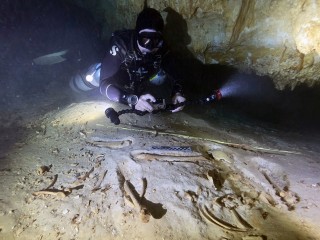 Prehistoric Skeleton Discovered in Submerged Cave in Mexico (01-03-2026)
A prehistoric human skeleton has been discovered deep within a flooded cave system along Mexico’s Caribbean coast, in an area submerged since the end of the last Ice Age approximately 8,000 years ago. The remains were found about eight metres below the surface after divers navigated nearly 200 metres through narrow underwater passages....
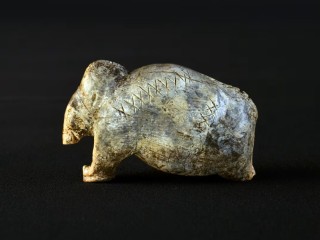 Paleolithic Humans Developed Proto Writing 40000 Years Ago (28-02-2026)
A new statistical study suggests that Paleolithic humans created structured sign systems as early as 40,000 years ago — long before the invention of formal writing in Mesopotamia. Researchers analyzed more than 3,000 carved markings found on 260 artifacts from Central Europe, particularly from cave sites in the Swabian Jura in southern Germany....
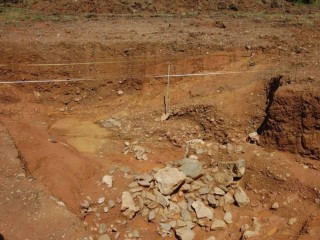 Luminescence Dating Confirms Roman Gold Mining in the Eastern Pyrenees (27-02-2026)
A new study has confirmed the existence of Roman-era alluvial gold mines in the Eastern Pyrenees, providing the first direct chronological evidence for Roman exploitation of Pyrenean gold in this region. Researchers applied Optically Stimulated Luminescence (OSL) dating to sediment samples taken from the infill layers of hydraulic structures at the Guilleteres d’All site....
 Study Suggests Interbreeding Favored Neanderthal Men and Human Women (26-02-2026)
A new genomic study proposes that interbreeding between Neanderthals and early modern humans was not evenly distributed between sexes. Instead, pairings may have occurred more frequently between Neanderthal males and Homo sapiens females....
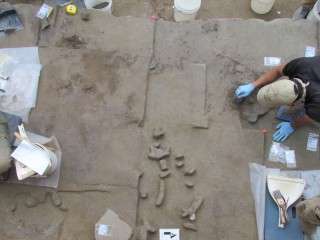 14000 Year Old Ivory Tools in Alaska Support Inland Migration to the Americas (25-02-2026)
Archaeologists working in central Alaska have uncovered 14,000-year-old ivory and stone tools that may clarify how early humans reached the Americas. The discoveries come from the Holzman site in the Tanana Valley, where excavations revealed evidence of mammoth ivory working and stone tool production....
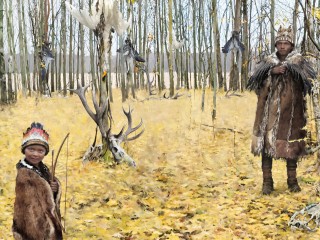 Microscopic Analysis Reveals Feather and Fur Headdresses in 7000 Year Old Swedish Burials (24-02-2026)
A new scientific study has revealed that individuals buried 7,000 years ago in southern Sweden were dressed in elaborate garments made of fur and feathers, including striking headgear. The research focused on the Mesolithic cemeteries of Skateholm I and II in Scania, one of northern Europe’s most important Stone Age burial complexes....
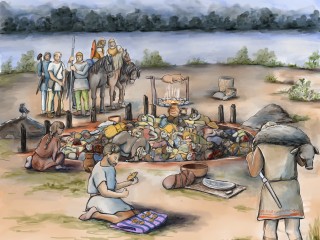 2800 Year Old Mass Grave in Serbia Reveals Violence Against Women and Children (23-02-2026)
Archaeologists investigating a mass grave at the site of Gomolava in northern Serbia have uncovered evidence of severe, organized violence dating to around 2,800 years ago, during the Early Iron Age. The burial pit, measuring just under three meters in diameter, contained the remains of 77 individuals....
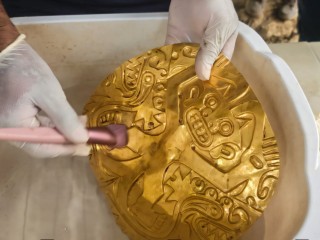 1000 Year Old Tomb with Gold Artifacts Discovered in Central Panama (22-02-2026)
Archaeologists have uncovered a richly furnished tomb more than 1,000 years old at the El Caño archaeological site in Panama’s central provinces, shedding new light on pre-Hispanic societies of the region. The burial, dated between AD 800 and 1000, was found in the Natá district, about 200 kilometers southwest of Panama City....
 Solar Eclipses and the Fate of Rulers from Mesopotamia to Modern Times (21-02-2026)
For millennia, solar eclipses have been interpreted not only as astronomical events but also as signs linked to political power and the destiny of rulers. Ancient records from Mesopotamia, dating back around 4,000 years, describe eclipses as ominous warnings — particularly the belief that an eclipse foretold the death of a king....
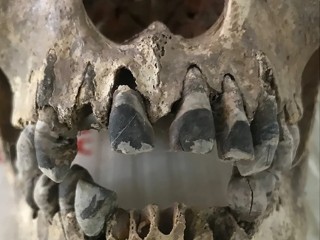 Ancient Vietnamese Dyed Their Teeth Black 2000 Years Ago (21-02-2026)
Archaeologists studying human remains from northern Vietnam have discovered that intentional tooth blackening dates back at least 2,000 years, far earlier than previously documented. The research focused on skeletons from the Dong Xa site in the Red River delta, an Iron Age settlement occupied between about 550 BC and AD 50....
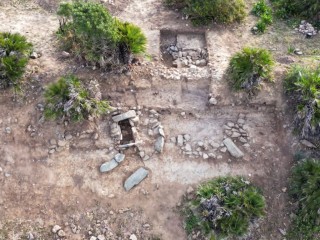 Bronze Age Necropolis with Collective Tombs Discovered Near Seville (20-02-2026)
Archaeologists have uncovered an exceptional Bronze Age cemetery at the Siete Arroyos site near Villaverde del Río in southern Spain, revealing complex funerary traditions dating between about 1880 and 1300 BC. The necropolis lies on the slope of a prominent hill overlooking the Guadalquivir Valley, close to a long-occupied settlement....
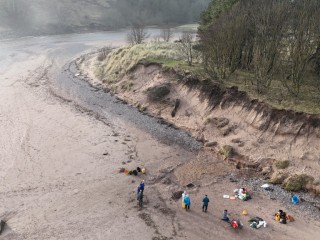 Storms Expose and Erase 2000 Year Old Footprints on Scottish Coast (19-02-2026)
Powerful winter storms along Scotland’s eastern coast briefly revealed a rare archaeological site at Lunan Bay in Angus: a series of human and animal footprints dating to about 2,000 years ago. Shifting sands uncovered a clay surface bearing the impressions, which were first noticed by local walkers....
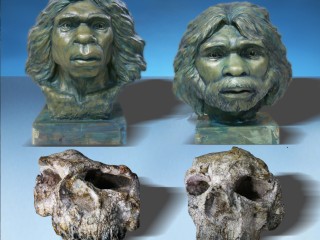 Old Skulls Redate Early Human Presence in East Asia (18-02-2026)
A new scientific analysis has dramatically revised the age of three Homo erectus skulls discovered in Hubei Province, central China. The fossils are now dated to about 1....
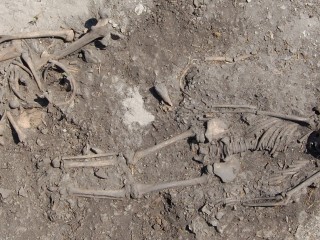 DNA Study Rewrites Family Ties in a Swedish Stone Age Cemetery (17-02-2026)
A new ancient DNA study of burials from Ajvide, a Neolithic hunter-gatherer cemetery on the Swedish island of Gotland, is changing how researchers understand who was laid to rest together—and why. Ajvide has produced 85 graves linked to the Pitted Ware culture, a coastal hunter-gatherer society that lived around 5,500 years ago and relied heavily on seal hunting and fishing....
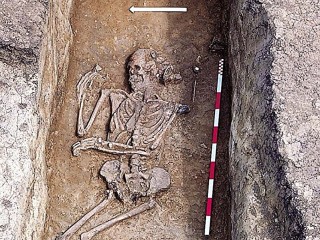 Study Suggests Neolithic Gender Roles Were Structured but Flexible (16-02-2026)
New bioarchaeological research examining human remains and burial practices in Neolithic communities indicates that social roles for men and women were defined but not rigidly fixed. The study analyzed skeletons from two closely located settlements in present-day Hungary, dating between roughly 5300 and 4650 BC....
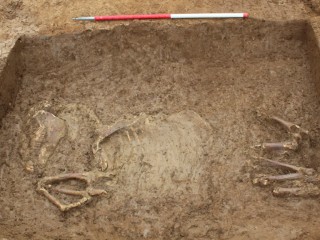 Bypass Excavations Reveal Marine Fossils and Roman Farming Landscape (15-02-2026)
Before construction began on a 7.1 km bypass around the town of Melton Mowbray, archaeologists carried out large-scale investigations along the planned route....
 10000 Years of Rock Art Discovered in Southern Sinai Shelter (14-02-2026)
The Egyptian Ministry of Tourism and Antiquities has announced the discovery of a significant rock-art site in South Sinai, documenting nearly ten thousand years of human activity in the desert landscape. The find was made on the Umm Arak Plateau during an archaeological survey conducted by specialists....
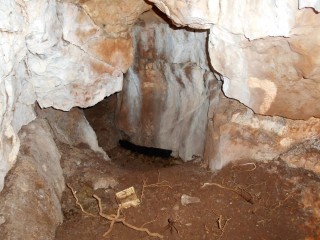 DNA Reveals Northern Britain Oldest Human Remains Belong to a Young Girl (13-02-2026)
DNA analysis has identified the oldest known human remains in northern Britain as those of a young female child dating to about 11,000 years ago. The bones were discovered in Heaning Wood Bone Cave near Great Urswick, providing rare evidence of Mesolithic burial practices in the region....
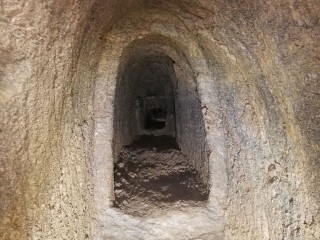 Medieval Tunnel Discovered Inside a Prehistoric Tomb in Germany (12-02-2026)
Archaeologists scholars excavating a prehistoric burial site in central Germany have uncovered a mysterious underground tunnel built thousands of years after the original monument. The discovery suggests that medieval visitors reused the ancient site, possibly for hidden ritual activity....
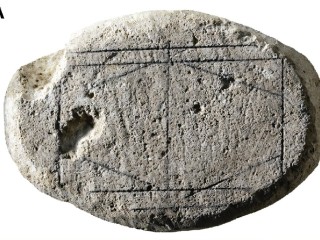 AI Reveals Rules of a Roman Era Board Game Found in the Netherlands (10-02-2026)
Researchers have reconstructed the rules of an ancient board game carved into a limestone slab discovered in the Dutch city of Heerlen, showing that this type of game was played during the Roman period—several centuries earlier than previously believed. The stone, measuring about 21 by 14....
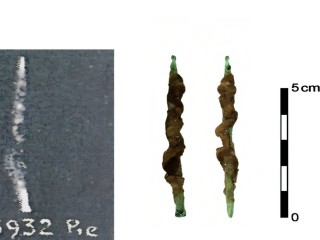 5300 Year Old Bow Drill Reveals Early Egyptian Mechanical Innovation (09-02-2026)
A reassessment of a small copper-alloy object from a Predynastic cemetery in Upper Egypt has revealed the earliest known rotary metal drill from ancient Egypt, dating to about 5,300 years ago. The finding pushes back the origins of mechanically sophisticated drilling technology to before the rise of the pharaohs....
 Paleo Inuit Communities Reached Remote Greenland Islands 4500 Years Ago (08-02-2026)
Archaeological research has revealed that Paleo-Inuit communities crossed dangerous Arctic waters to reach remote islands off northwestern Greenland nearly 4,500 years ago. The findings demonstrate repeated journeys by entire groups, highlighting advanced seafaring skills and a strong maritime way of life....
 Great Basin Study Finds Cave Burials Were Widespread (07-02-2026)
A new archaeological study challenges the long-held idea that cave burials in the lower Lahontan drainage basin were a unique or exceptional practice. Research comparing burial patterns across the Great Basin shows that the use of caves and rock shelters for interment was neither rare nor confined to one area....
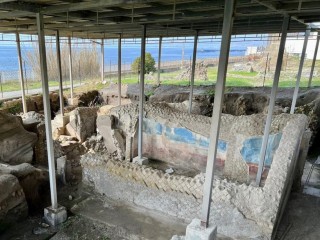 Unfinished Renovation Revealed in a Seaside Villa at Herculaneum (06-02-2026)
New excavations at Herculaneum have revealed an unfinished phase of construction inside a luxurious seaside villa, frozen in time by the eruption of Mount Vesuvius in AD 79. The discovery offers a rare glimpse into renovation work abruptly halted at the moment of catastrophe....
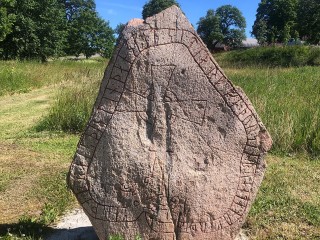 Viking Rune Stones in Sweden Reveal Messages of Memory and Love (05-02-2026)
Across the Swedish landscape, rune stones from the Viking Age continue to surface, offering rare insights into how people more than a thousand years ago expressed memory, identity, belief, and emotion. Erected primarily between AD 800 and 1050, these inscribed stones served as public memorials, often placed along roads, river crossings, and gathering places to ensure visibility....
 Trepanned Viking Age Skull Found in Mass Burial near Cambridge (04-02-2026)
Archaeologists have uncovered the skeleton of a young Viking-age man who had undergone trepanation, discovered within a mass grave containing at least ten individuals near Cambridge. The find offers rare insight into early medical practices and violent episodes during a turbulent period of early medieval Britain....
 Elephant Bone Found in Spain Linked to the Era of the Punic Wars (03-02-2026)
Archaeologists in southern Spain have identified an elephant bone dating to around 2,200 years ago, offering rare physical evidence connected to the use of war elephants during the Punic Wars between Carthage and Rome. The discovery was made near Córdoba and is associated with the period of the Second Punic War....
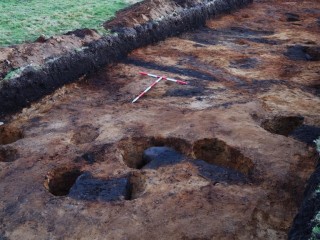 Early Medieval Cemetery and Iron Age Houses Found During Sewer Works in the Scottish Highlands (02-02-2026)
Archaeological investigations carried out during sewer upgrade works in the Scottish Highlands have uncovered a 6th-century burial ground alongside two Iron Age roundhouses, revealing a long sequence of human activity in the area. The discoveries were made near Windhill, close to Muir of Ord, during construction work led by Scottish Water....
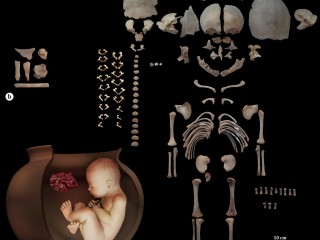 Rare Prehistoric Fetal Burials in Iran Reveal Diverse Mortuary Practices (01-02-2026)
Two exceptionally well-preserved fetal burials dating to the mid–5th millennium BC have been documented at the Chaparabad site in northwestern Iran, offering new insights into the diversity of prehistoric burial practices in Southwest Asia. Although the burials were discovered only a few metres apart and belong to the same chronological context, they display notably different mortuary treatments....
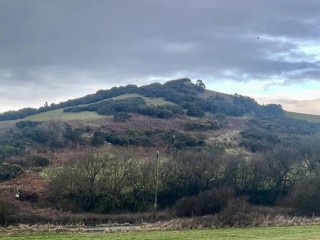 Cumbrian Mound May Mark a Viking Ship Burial (31-01-2026)
A large earthen mound on the west coast of Cumbria has been proposed as the possible location of a Viking ship burial dating to the 9th century. The mound, known in medieval sources as “The King’s Mound,” has drawn archaeological interest because it may represent a high-status burial associated with Viking activity in the region....
 Neanderthals Repeatedly Collected Animal Skulls in a Spanish Cave (30-01-2026)
Archaeologists have found evidence that Neanderthals repeatedly collected and arranged animal skulls inside a cave in central Spain more than 43,000 years ago, pointing to cultural practices that extended beyond basic survival needs. The discoveries come from Des-Cubierta cave in central Spain, where excavations revealed 35 large mammal skulls, mainly from horned or antlered species such as bison and wild cattle....
 Stone Age Burial Study Indicates Teenager Died After Bear Attack (29-01-2026)
New research has clarified the cause of death of a Stone Age adolescent buried about 28,000 years ago in northern Italy. The young individual, interred with exceptional care in a cave burial, is now believed to have died following a bear attack, according to a recent skeletal reanalysis....
 Exhibition Traces Egypt Lasting Impact on the History of Cinema (28-01-2026)
A new exhibition opening this month examines how ancient Egypt has shaped the visual language, themes, and architecture of cinema for nearly two centuries. Titled Land of the Pharaohs – Egypt on Screen, the exhibition highlights the enduring influence of Egyptian landscapes, mythology, and archaeology on film culture worldwide....
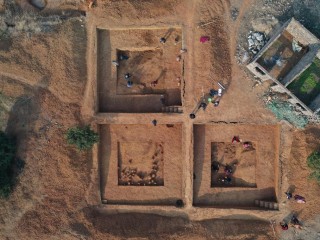 Ancient Hafted Stone Tools in China Challenge Views of Early Technology (27-01-2026)
Archaeologists have identified the earliest known evidence of hafted stone tools in East Asia, dating back as far as 160,000 years, at a site in central China. The discovery challenges long-standing assumptions that early stone tool technologies in Asia were less advanced than those in Africa and Europe....
 Sinai Rock Relief Offers Earliest Graphic Evidence of Ancient Egyptian Expansion (27-01-2026)
A newly documented rock relief in the southwestern Sinai Peninsula provides some of the earliest and most explicit archaeological evidence of Egyptian expansion into the region around 5,000 years ago. Carved into exposed rock in Wadi Khamila, the scene depicts a dominant standing figure facing a smaller, kneeling individual wounded by an arrow, a composition that clearly conveys subjugation and control....
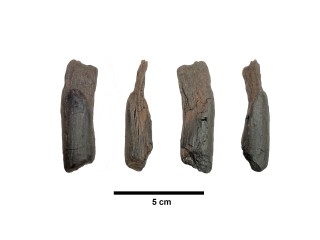 Oldest Known Wooden Tools Discovered at Prehistoric Site in Greece (26-01-2026)
Archaeologists have identified the oldest wooden tools yet recovered, dating to around 430,000 years ago, from a lakeshore site in southern Greece. The rare finds provide new insight into the technologies used by early human populations, whose reliance on wood is often archaeologically invisible due to poor preservation....
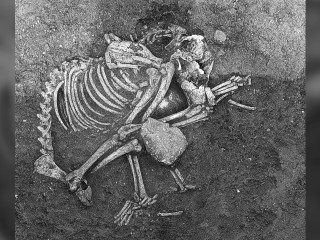 Study Shows Dog Meat Was Consumed as Part of Feasting Traditions (25-01-2026)
Archaeological evidence from multiple Iron Age sites in Bulgaria indicates that dog meat was consumed around 2,500 years ago, not as a food of last resort but as part of communal feasting and occasional delicacy practices. The findings are based on cut and burn marks identified on dog bones recovered from settlements dating to the 1st millennium BC....
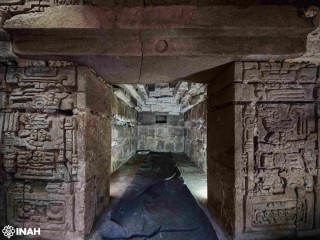 Intact Zapotec Tomb Dating to the 7th Century AD Discovered in Oaxaca (24-01-2026)
Archaeologists in Oaxaca, southern Mexico, have uncovered an exceptionally well-preserved Zapotec tomb dating to around 600 AD, offering rare insight into the funerary practices, beliefs, and social organization of one of Mesoamerica’s most advanced ancient civilizations. The discovery, made by Mexico’s National Institute of Anthropology and History (INAH) during archaeological investigations in the Central Valleys of Oaxaca, revealed a nearly intact funerary complex, including architectural elements, sculpted reliefs, and mural paintings still preserved in situ....
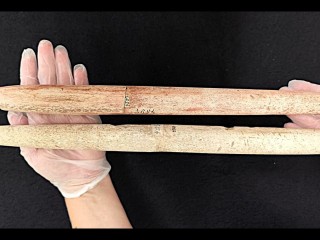 Ancient Harpoons Show Whaling in Brazil Began 5000 Years Ago (23-01-2026)
Archaeological research in southern Brazil has revealed some of the oldest known harpoons in the world, providing strong evidence that Indigenous communities were actively hunting whales around 5,000 years ago. The findings challenge long-held assumptions that early whaling developed only in temperate and polar regions of the Northern Hemisphere....
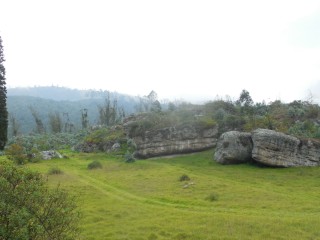 Ancient Skeleton in Colombia Reveals Earliest Evidence of Syphilis in the Americas (22-01-2026)
Archaeologists and genetic researchers have identified the oldest known evidence of Treponema pallidum—the bacterium responsible for syphilis and related diseases—in a 5,500-year-old human skeleton discovered in Colombia. The finding pushes back the presence of treponemal bacteria in the Americas by at least 3,000 years earlier than previously documented....
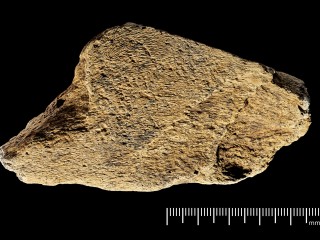 Oldest Elephant Bone Tool in Europe Identified at Prehistoric Site in England (21-01-2026)
Archaeologists have identified a prehistoric hammer made from elephant bone as the oldest of its kind discovered in Europe, dating to around 500,000 years ago. The tool was found at the well-known site of Boxgrove in West Sussex, southern England, and has been analyzed by researchers from UCL and the Natural History Museum, London....
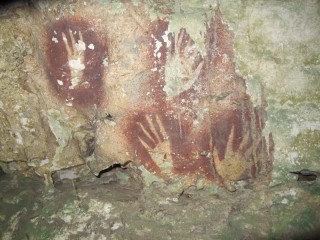 Ancient Hand Stencils in Indonesia Identified as the Oldest Known Cave Art (21-01-2026)
Hand stencils discovered on cave walls in a remote region of Indonesia have been identified as the oldest cave art yet studied, dating to at least 67,800 years ago. The findings come from southeastern Sulawesi, an area that remains only partially explored archaeologically....
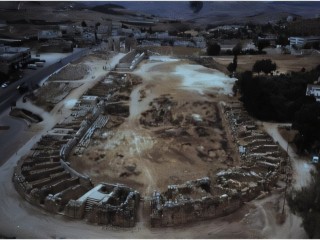 Mass Grave in Jordan Reveals Human Toll of the First Known Pandemic (20-01-2026)
Archaeological and scientific research at the ancient city of Jerash in northern Jordan has confirmed the existence of a mass grave linked to the Plague of Justinian, the earliest historically documented pandemic in the Mediterranean world. The findings provide rare, direct evidence of how this devastating outbreak affected urban populations during the 6th–8th centuries AD....
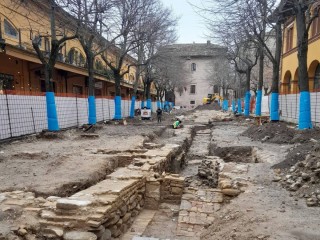 Vitruvius Legendary Basilica Identified in the Heart of Fano (19-01-2026)
Archaeologists in Fano, Italy, have confirmed that architectural remains uncovered in the city center belong to the basilica designed by the Roman architect Vitruvius, built in 19 BC. The identification marks a major milestone, as it represents the only known surviving building directly attributed to the author of De Architectura, the foundational treatise of Western architectural theory....
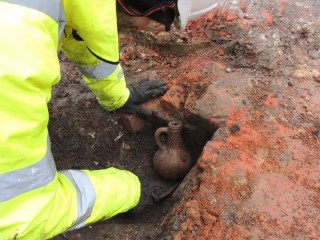 London Past Revealed Through Roman Rubbish and Urban Excavations (18-01-2026)
Archaeology in London is often compared to a layered dish, where centuries of history are stacked one above another. Continuous urban redevelopment across the capital is offering archaeologists rare opportunities to explore these layers, revealing traces of life from prehistoric times to the Victorian era....
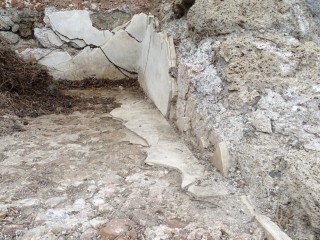 Study Finds Early Pompeii Baths Used Contaminated Water (17-01-2026)
A new archaeological study suggests that some of the earliest public baths in Pompeii offered a bathing experience far removed from modern ideas of hygiene. Research indicates that bath water in the Republican Baths, used between the 2nd and 1st centuries BC, was heavily contaminated by human waste and traces of lead, and was likely replaced only once a day....
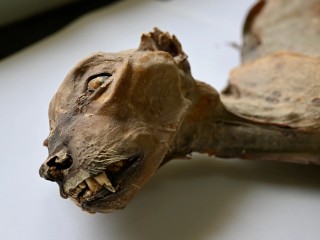 Mummified Cheetahs Discovered in Northern Saudi Arabia (16-01-2026)
Scientists have uncovered naturally mummified cheetahs in caves in northern Saudi Arabia, providing rare evidence of cheetah populations that once lived across the Arabian Peninsula. The finds include seven mummified individuals and the bones of 54 additional cheetahs, dating from about 130 years to more than 1,800 years ago....
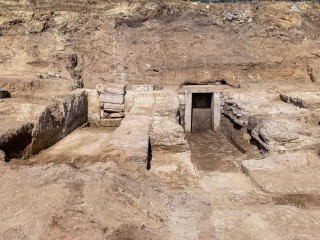 A Cult Complex and Elite Tombs Discovered in Rome (15-01-2026)
Preventive archaeological excavations at Parco delle Acacie, in the Pietralata district on Rome’s eastern outskirts, have revealed a remarkably rich archaeological landscape documenting nearly uninterrupted occupation from the 5th century BC to the 3rd century AD. The discoveries significantly revise long-held views of this area as marginal to the ancient city....
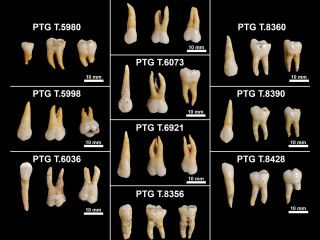 Iron Age Teeth Reveal Detailed Clues to Health and Diet in Ancient Italy (14-01-2026)
Human teeth are proving to be remarkable archives of ancient life, according to a new study published in PLOS One. By examining dental tissues and plaque, researchers reconstructed aspects of childhood health and adult diet among Iron Age communities in southern Italy....
 Largest Medieval Trading Ship Ever Found Discovered Near Copenhagen (13-01-2026)
Archaeologists have uncovered the largest known medieval cargo ship, a discovery that is reshaping understanding of the scale of trade in northern Europe during the 15th century. The vessel, dated to around 1410 AD, was found in the waters near Copenhagen and is exceptionally well preserved....
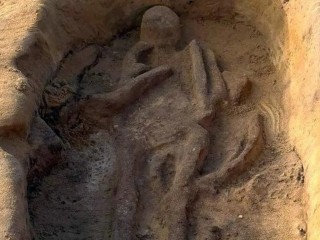 Anglo Saxon Burial with Horse Found at Major Suffolk Excavation (12-01-2026)
Archaeologists working on one of Britain’s largest archaeological investigations have uncovered a high-status Anglo-Saxon burial in Suffolk, featuring a horse interred alongside two individuals. The discovery was made during extensive excavations carried out in advance of construction works linked to the Sizewell C nuclear power project....
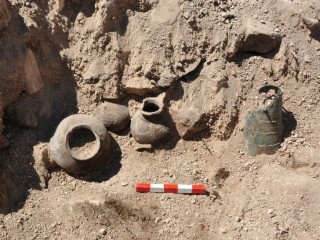 Monumental Phrygian Tomb in Turkey May Be Linked to the Era of King Midas (11-01-2026)
Archaeologists in Turkey have identified a monumental burial mound that may be connected to the royal milieu of the Phrygian Kingdom during the reign of King Midas. The tomb dates to the late 8th century BC and provides new insights into political organization in ancient Phrygia....
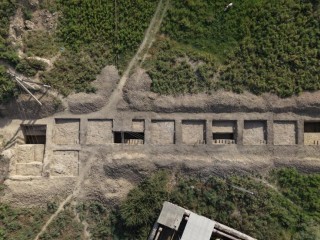 Ancient City Walls Unearthed at a Key Silk Road Center in Uzbekistan (10-01-2026)
Archaeologists from China and Uzbekistan have uncovered ancient city walls at the site of Kuva in eastern Uzbekistan, revealing a long sequence of construction and modification spanning from the 3rd century BC to the 10th century AD. The discovery offers new insights into the development and resilience of a major Silk Road settlement....
 Whale Hunting in South America Began 5000 Years Ago (09-01-2026)
New archaeological research shows that Indigenous communities in southern Brazil were hunting large whales around 5,000 years ago, pushing back the origins of organized whaling by about one thousand years earlier than previously believed. The findings, published in Nature Communications, challenge long-standing views that large-whale hunting first emerged among postglacial societies of the Northern Hemisphere....
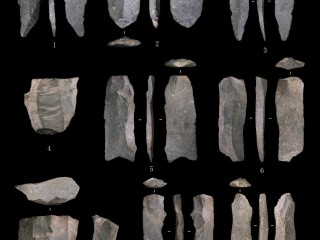 Advanced Paleolithic Blade Tools Identified at Kenya Lake Bogoria (09-01-2026)
A joint archaeological mission from China and Kenya has identified advanced stone tools featuring blade technology from the middle to late Paleolithic period at the Lake Bogoria. The find represents the first documented evidence of this technology at the site and offers important new material for understanding technological innovation in early human history....
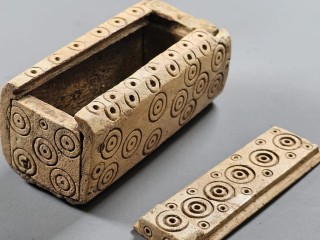 Rare Late Roman Bone Box Unearthed in Worcestershire Burial (08-01-2026)
An exceptional artefact from the late Roman period has been uncovered during archaeological excavations in the town of Broadway, offering new insight into craftsmanship and burial practices in the northern Cotswolds. The discovery was made at Milestone Ground, where investigations revealed evidence of around 8,000 years of human activity, spanning prehistoric, Roman, and early medieval periods....
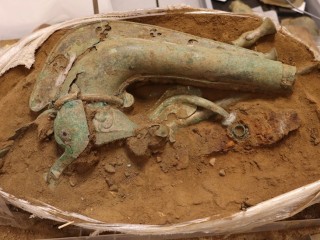 Rare Iron Age Battle Trumpet Discovered in Norfolk Hoard (07-01-2026)
A significant Iron Age hoard has been uncovered in West Norfolk, revealing rare evidence of ancient sound, warfare, and ritual practice in Britain. The discovery was made during a routine archaeological excavation carried out as part of the planning process for residential development....
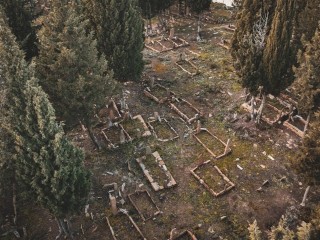 Earliest Turkish Cemetery in Europe Identified on the Gallipoli Peninsula (07-01-2026)
Archaeological research on the Gallipoli Peninsula has revealed what is believed to be the earliest known Turkish cemetery in Europe, dating to the 14th century. The discovery sheds new light on the early Turkish presence in southeastern Europe....
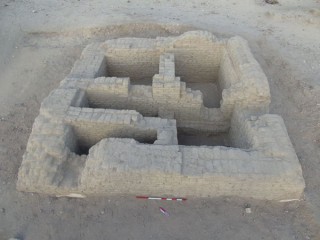 Byzantine Monastic Complex Discovered in Upper Egypt (06-01-2026)
Archaeologists in Egypt have uncovered the remains of a well-planned Byzantine-era monastic residential complex in Sohag Governorate, offering new insight into early Christian monastic life in Upper Egypt. The discovery was made at the site of Al-Qarya bi-Al-Duweir in the Tema district during ongoing archaeological investigations....
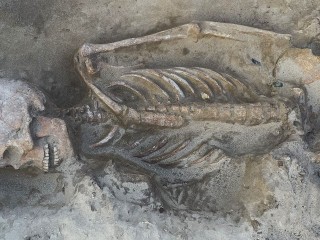 Elite Warrior Burials from the Medieval Period Unearthed in Hungary (06-01-2026)
Archaeologists in Hungary have uncovered three richly furnished burials dating to around 1,100 years ago, revealing the graves of elite male warriors from the early medieval period. The discoveries were made near the village of Akasztó, southeast of Budapest, and provide rare insight into the social structure and military leadership of the era....
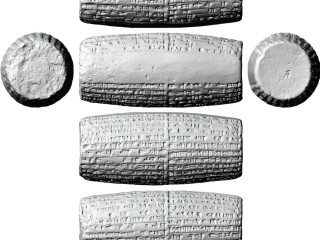 Ancient Clay Cylinders Reveal Royal Restoration of Kish Ziggurat (06-01-2026)
Two inscribed clay cylinders have provided the first direct foundation text documenting the restoration of the ziggurat of Kish during the Neo-Babylonian period. The artifacts, dating to the 6th century BC, record royal building works carried out under Nebuchadnezzar II, confirming long-suspected reconstructions of the monument....
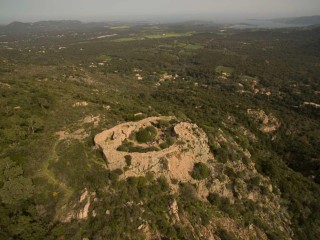 The Enigmatic Bronze Age Casteddi of Corsica Reveal a Complex Society (05-01-2026)
New archaeological research is reshaping our understanding of the Bronze Age casteddi of Corsica, the imposing stone structures that crown hills and rocky spurs across the island. Long viewed mainly as military fortresses, these sites are now interpreted as multifunctional centers that combined defense, economic control, storage, and symbolic power....
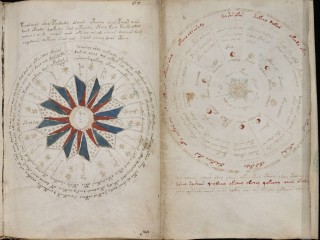 New Study Suggests the Voynich Manuscript May Have Been Created Using a Cipher (03-01-2026)
A new study proposes that the mysterious Voynich manuscript may have been produced using a carefully designed cipher rather than representing an unknown natural language. While the research does not decode the manuscript, it offers a plausible explanation for how its enigmatic text could have been generated in the late medieval period....
 Ancient Herpesvirus Genomes Reveal a 2500 Year History with Humans (02-01-2026)
Scientists have reconstructed the oldest known genomes of human herpesviruses from archaeological remains, demonstrating that these infections have been evolving alongside humans since at least the Iron Age. The study analyzed ancient DNA from human skeletons across Europe and identified preserved genomes of human betaherpesvirus 6A and 6B, two widespread viruses that today infect most people during early childhood....
 Oldest Known Cremation in Africa Discovered in Malawi (01-01-2026)
Archaeologists have identified the earliest known cremation in Africa, dating to around 9,500 years ago, at the Hora 1 site in northern Malawi. The discovery offers rare insight into funerary practices among Stone Age hunter-gatherers and challenges long-standing assumptions about how early African communities treated their dead....
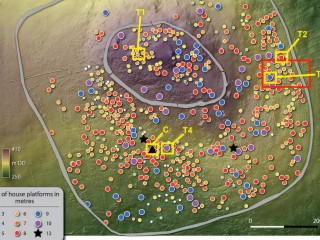 Vast Prehistoric Hilltop Settlement Discovered in Ireland (31-12-2025)
Archaeologists have identified what may be the largest clustered village ever recorded in prehistoric Ireland and Britain, revealing a densely populated hilltop landscape that reshapes understanding of early settlement patterns in Northern Europe. The discovery comes from County Wicklow, Ireland, within a region known as the Baltinglass hillfort cluster....
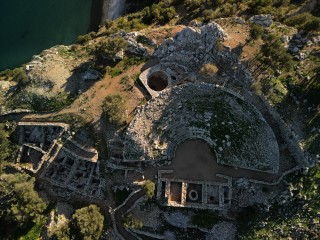 Ancient Silver Necklace Linked to Ishtar Discovered in Turkey (30-12-2025)
Archaeologists excavating the ancient city of Amos in Turkey have uncovered a finely crafted silver necklace bearing a lion figure and an eight-pointed star—an emblem widely associated with the Mesopotamian goddess Ishtar. The discovery adds new evidence for the city’s cultural connections and regional importance in antiquity....
 Unexpected Prehistoric and Roman Discoveries Unearthed in England (29-12-2025)
Archaeologists in England have uncovered evidence of human activity spanning thousands of years during excavations near the historic city of Lincoln. The finds include a finely polished Neolithic stone axe dating to around 3000 BC, alongside the remains of previously unknown Roman-era buildings....
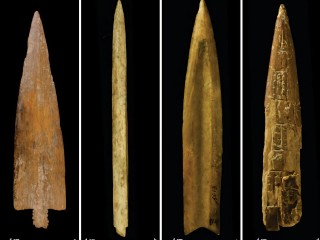 Bone Arrowheads Reveal Organized Craft Production in Prehistoric Argentina (28-12-2025)
Archaeologists have gained new insight into craft organization and daily life in prehistoric Argentina through a detailed study of bone arrowheads from the Sierras de Córdoba. The research shows that Late Prehispanic communities developed standardized yet locally produced weapon technology, reflecting careful planning and skilled craftsmanship....
 Northern Ireland Reorganizes Vast Archaeological Collection for Future Research (28-12-2025)
Tens of thousands of archaeological artefacts in Northern Ireland are being carefully recatalogued and repackaged as part of a major effort to modernize their long-term preservation. The work is taking place at a centralized, climate-controlled archaeological storehouse in County Antrim, which has recently doubled its storage capacity following an extensive refit....
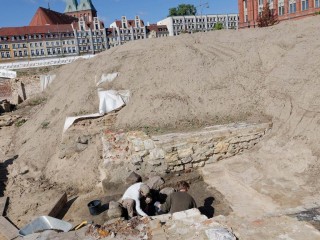 Digging into Berlin Medieval Past at the Molkenmarkt (27-12-2025)
Archaeologists working in the historic heart of Berlin are uncovering an extraordinary record of the city’s medieval origins beneath the modern streets. Excavations at the Molkenmarkt—believed to be Berlin’s oldest market—have revealed how layers of fire debris, rubble, and daily waste gradually raised the city’s ground level by around four metres over the past 800 years....
 Six Ancient Cities Still Missing from the Archaeological Map (27-12-2025)
Despite major advances in archaeology, several prominent ancient cities described in historical texts have never been located. Their existence is known through inscriptions and records, yet their precise locations remain unknown—sometimes complicated by looting that removed evidence without revealing sites....
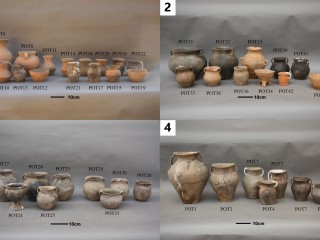 Bronze Age Pottery Reveals Ancient Chinese Method for Brewing Red Rice Wine (26-12-2025)
Archaeologists have uncovered new evidence showing how red rice wine was produced and ritually consumed in Bronze Age China, following the analysis of pottery vessels excavated in northwest China. The discovery comes from a burial site associated with the Mogou culture in Gansu province, dating to the second millennium BC....
 Study traces Australia and New Guinea settlement to two ancient routes (25-12-2025)
New interdisciplinary research suggests that the ancestors of present-day Aboriginal Australians and New Guineans descend from two closely related groups of modern humans who reached the ancient landmass of Sahul around 60,000 years ago. During the last Ice Age, lower sea levels connected Australia and New Guinea into a single continent known as Sahul....
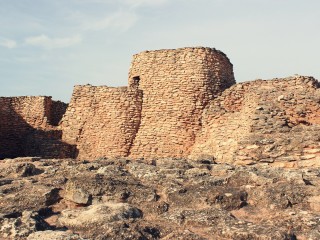 Food and Survival at Motilla del Azuer (24-12-2025)
Archaeological research at Motilla del Azuer in central Spain is offering an unusually detailed picture of daily life and food consumption in a Bronze Age community living nearly 4,000 years ago. By studying thousands of animal bones recovered from the site, researchers have reconstructed how its inhabitants adapted their diet to an increasingly dry environment....
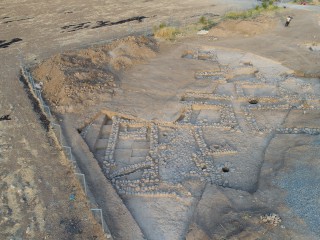 Iron Age Pottery Workshop Sheds Light on Ancient Production Systems (23-12-2025)
Archaeologists have uncovered a remarkably well-preserved pottery workshop in Iraq’s Kurdistan region, offering rare insight into the full production chain of Iron Age ceramics—from raw clay to finished vessels. The discovery was made at the Dinka Settlement Complex, one of the most extensively excavated Iron Age urban sites in the region....
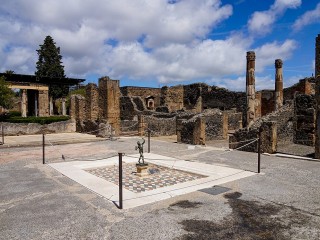 Food Remains from Pompeii Reveal Diet of Enslaved Workers (22-12-2025)
Archaeologists working at Pompeii have uncovered well-preserved food remains that offer rare insight into the daily diet of enslaved people living in a large Roman villa before the eruption of Mount Vesuvius in AD 79. The discovery was made in the slave quarters of the Civita Giuliana villa, where excavations beneath a modern roadway revealed baskets of fruit and storage vessels filled with legumes....
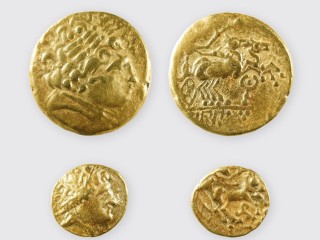 Rare Celtic Gold Coins Discovered in a Swiss Bog (22-12-2025)
Archaeologists in Switzerland have identified two exceptionally rare Celtic gold coins dating back nearly 2,300 years, following their discovery in a bog landscape known for prehistoric activity. The coins were found during a survey of the Bärenfels bog near the municipality of Arisdorf by volunteer archaeologists....
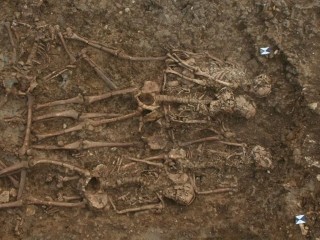 New Burials Identified at Rare Medieval Cemetery in England (21-12-2025)
Archaeologists have uncovered additional human remains at a medieval burial ground believed to have been used for executed criminals, significantly expanding understanding of the site and its role in local history. The cemetery, located at West End Farm near Buckingham in southern England, was first identified in 2018 during archaeological investigations carried out ahead of development work....
 Tomb of Thutmose II Recognized Among Leading Archaeological Discoveries of 2025 (20-12-2025)
The recently uncovered tomb of King Thutmose II on the West Bank of Luxor has been named among the world’s top ten archaeological discoveries of 2025 by Archaeology magazine, highlighting its exceptional importance for the study of ancient Egypt. The discovery marks a major milestone, as it is the first royal tomb of Egypt’s Eighteenth Dynasty to be identified since the unearthing of Tutankhamun’s burial in 1922....
 Laser Technology Revives Rome Column of Marcus Aurelius (19-12-2025)
Restoration specialists in Rome are using advanced laser technology to clean and conserve one of the city’s most important ancient monuments—the Column of Marcus Aurelius—bringing renewed clarity to its sculpted scenes after centuries of exposure to pollution and weathering. The column, erected around AD 180, stands nearly 40 metres high and is wrapped in a spiral frieze that winds upward 23 times around the shaft....
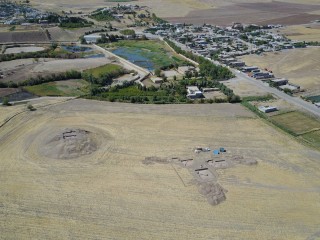 Evidence of Christian Zoroastrian Coexistence Emerges from Northern Iraq (18-12-2025)
Archaeological research in northern Iraq is offering new insights into religious life during the fifth century AD, suggesting that Christian and Zoroastrian communities may have lived alongside one another within the same landscape. Recent fieldwork examined a building complex at the site of Gird-î Kazhaw in the Kurdistan Region of Iraq....
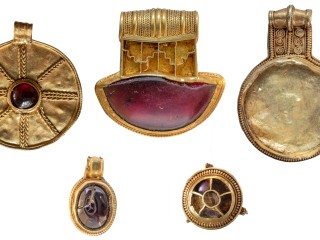 Anglo Saxon Gold Hoard Unearthed in Eastern England (17-12-2025)
A remarkable group of Anglo-Saxon gold ornaments has been uncovered in eastern England, offering new insight into early medieval ritual practices and social change. The discovery consists of four gold pendants set with garnets and a detached element from a gold brooch, found on a hillside near the village of Donington on Bain in Lincolnshire....
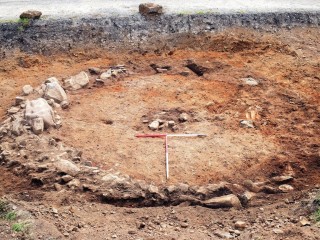 Mysterious Bronze Age Mass Burial Discovered in Southern Scotland (17-12-2025)
Archaeologists have uncovered a rare and enigmatic mass burial dating to the Bronze Age in southern Scotland, shedding new light on a little-known episode of prehistoric life in the region. The discovery was made during archaeological investigations carried out in 2020 and 2021 ahead of construction work near the Twentyshilling Wind Farm, south of Sanquhar in Dumfries and Galloway....
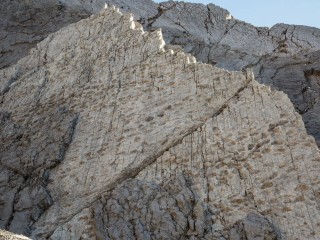 Dinosaur Footprints Discovered on a Mountain in Northern Italy (16-12-2025)
Archaeologists and paleontologists have identified thousands of dinosaur footprints dating back around 210 million years in a national park in northern Italy. The discovery was made on a steep mountain surface within the Stelvio National Park, revealing one of the most extensive tracksites of its kind in the region....
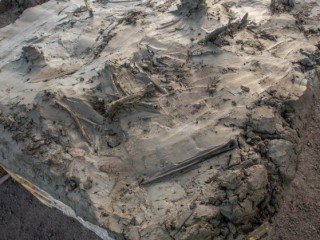 Stone Age Dog Burial with Bone Dagger Found in a Swedish Bog (15-12-2025)
Archaeologists in Sweden have uncovered the skeleton of a dog buried alongside a bone dagger at the bottom of a bog, in a discovery dating back approximately 5,000 years. The find offers rare insight into ritual practices during the Stone Age....
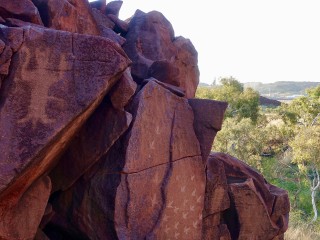 Water and Clay Reshape Archaeological Evidence at Murujuga (15-12-2025)
New research has shown that water movement within clay-rich soils can gradually push stone artefacts toward the ground surface, influencing how archaeological materials appear across certain landscapes. This natural process plays a significant role in shaping the visible archaeological record....
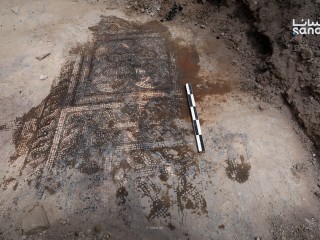 Byzantine Mosaic Unearthed in Damascus Countryside (14-12-2025)
Syria’s Directorate-General of Antiquities and Museums has announced the discovery of a Byzantine-period mosaic in the countryside of Damascus, near the town of Qarah. The excavation began after a local farmer reported the presence of ancient remains on his agricultural land....
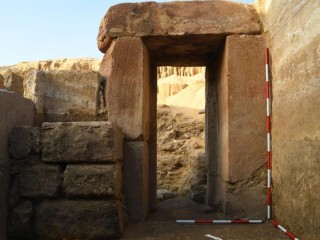 Remains of a Fifth Dynasty Sun Temple Valley Complex Discovered Near Cairo (13-12-2025)
An archaeological mission working in the Abu Ghurab area south of Cairo has uncovered substantial remains of the Valley Temple associated with the Sun Temples of King Nyuserre Ini, one of the most important rulers of Egypt’s Fifth Dynasty. The site lies between Saqqara and Giza within the wider Memphite necropolis....
 Ancient Stone Wall Found Beneath the Sea off France Coast (12-12-2025)
Marine archaeologists have uncovered a massive stone wall submerged off the coast of Brittany in western France, dating back to around 5,800 BC, making it one of the oldest known large-scale underwater structures in Europe. The wall, stretching approximately 120 meters in length and now lying about nine meters below sea level, was originally built along the ancient shoreline of what is today the Île de Sein....
 Italy Arrests 34 Suspected Tomb Raiders in Major Anti Looting Operation (12-12-2025)
Italian authorities have arrested 34 people suspected of illegally looting archaeological sites in Sicily and the neighboring region of Calabria, in one of the country’s largest recent crackdowns on cultural heritage crimes. According to police and prosecutors, the suspects are accused of participating in organized networks involved in the theft, trafficking and counterfeiting of archaeological artifacts....
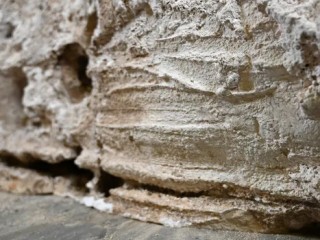 Roman Burials Preserve 1800 Year Old Fingerprints (11-12-2025)
New research has revealed an extraordinary Roman funerary practice in Britain: around 1,800 years ago, people smeared a liquid gypsum paste directly onto the bodies of the dead, leaving behind fingerprints that remain visible today. The discovery comes from the University of York’s Seeing the Dead project, which is investigating unusual Roman-era burials in Yorkshire dating to the third and fourth centuries A....
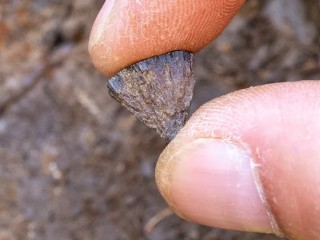 Earliest Fire Making Evidence Found in England (10-12-2025)
Archaeologists in Suffolk, eastern England, have uncovered what may be the world’s earliest clear evidence of deliberate fire-making — dating back more than 400,000 years. The discovery, made at the Paleolithic site of Barnham, suggests that early Neanderthals in Britain mastered fire far earlier than scholars previously believed....
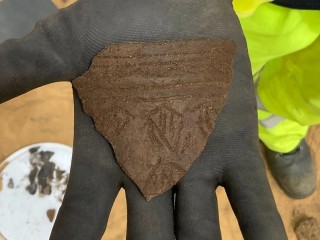 Early Medieval Settlement Unearthed During Wind Farm Excavation (10-12-2025)
Archaeologists working ahead of the East Anglia TWO and ONE North offshore wind farm developments have uncovered the remains of a previously unknown early medieval settlement near Friston, Suffolk. The site appears to have housed several substantial wooden longhouses — some measuring up to 19 meters long and 6 meters wide — dating to the Anglo-Saxon period between the 5th and 11th centuries....
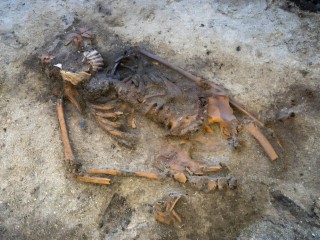 Viking Grave Reveals Rare Ritual Practices (09-12-2025)
Archaeologists in Trøndelag County, Norway, have uncovered a remarkably well-preserved Viking Age grave containing the skeletal remains and jewelry of a woman buried around the 800s. The discovery began when metal detectorist Roy Søreng found an oval brooch — a typical element of Viking women’s dress — prompting a full investigation by NTNU University Museum and the Norwegian Directorate for Cultural Heritage....
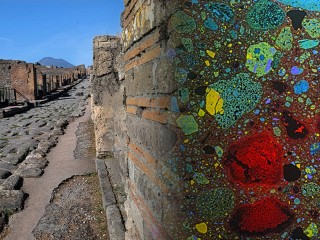 Pompeii Sheds New Light on the Secrets of Roman Concrete (09-12-2025)
A newly discovered construction site in Pompeii has given researchers unprecedented evidence about how the Romans produced their extraordinarily durable concrete — confirming that builders used a “hot-mixing” technique that helped structures survive earthquakes, eruptions, and centuries of weathering. Roman concrete famously underpinned the empire’s architectural achievements, from aqueducts to massive domes....
 Ancient Egyptian Royal Pleasure Boat Unearthed off Alexandria Coast (08-12-2025)
Archaeologists working off the coast of Alexandria have uncovered a remarkably well-preserved ancient Egyptian pleasure boat, matching detailed descriptions written nearly 2,000 years ago by the Greek historian Strabo. The discovery, made near the submerged island of Antirhodos in Alexandria’s Portus Magnus, is the first physical example of such a luxury vessel ever found in Egypt....
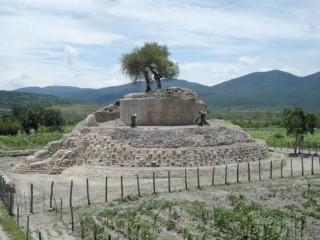 Old Cube Shaped Skull Reveals Rare Cranial Tradition in Ancient Mexico (06-12-2025)
Archaeologists in Mexico have uncovered a highly unusual cube-shaped human skull, providing the first evidence that ancient inhabitants of the Balcón de Montezuma region practiced a rare and previously undocumented form of cranial modification about 1,400 years ago. The skull, belonging to a middle-aged man, was found near the archaeological site of Balcón de Montezuma in Tamaulipas — an area occupied by various Mesoamerican groups from 650 B....
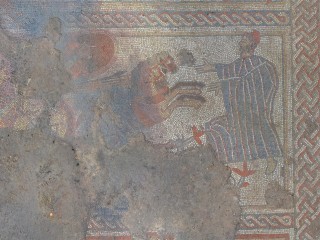 Rutland Mosaic Reveals a Lost Trojan War Story in Roman Britain (05-12-2025)
New research has revealed that the celebrated Roman mosaic discovered in Rutland does not depict scenes from Homer’s Iliad, as originally believed. Instead, scholars have determined that the artwork draws on a “lost” version of the Trojan War once told by the ancient Greek playwright Aeschylus....
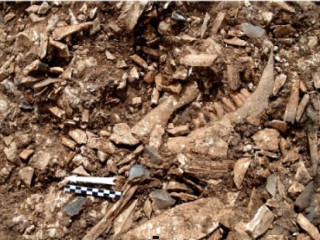 Archaic Humans Hunted Selectively (04-12-2025)
A new study suggests that archaic humans living in the Levant around 120,000 years ago — including Neanderthals and Homo erectus–like populations — were selective, strategic hunters, not mass killers of large herds. This behavior may have disadvantaged them when they later shared the region with Homo sapiens, who appear to have developed more coordinated large-scale hunting methods....
 Ancient Hanging Coffin People Identified as Ancestors of Bo people (03-12-2025)
Researchers have finally identified the mysterious people behind China’s ancient “hanging coffins”, a dramatic funerary tradition in which wooden coffins were placed high on cliff faces. A new genetic study shows that the individuals buried in these suspended coffins were ancestors of the modern Bo people, who still live in southwest China today....
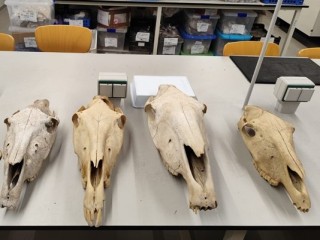 Oldest Mule in Western Europe Found in Early Iron Age Spain (03-12-2025)
Researchers from the University of Barcelona have identified the oldest known mule in the western Mediterranean and continental Europe, dating to between the 8th and 6th centuries BC. The animal was discovered at the Hort d’en Grimau archaeological site in Castellví de la Marca, in the Penedès region, and has now been confirmed through radiocarbon dating and genetic analysis....
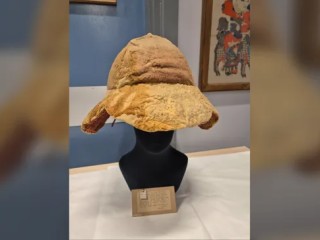 Rare 1600 Year Old Roman Sun Hat Found in Egypt (01-12-2025)
A remarkably well-preserved 1,600-year-old sun hat from late Roman Egypt has gone on display after conservation work — a piece so rare that only two other examples are known to survive. The brimmed wool cap, made in the early Christian (Coptic) period, was originally found in 1911 by famed Egyptologist Sir Flinders Petrie at the site of Lahun in the Fayum region....
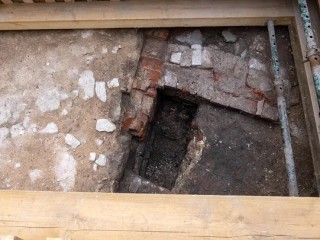 Rare Pre Stonehenge Artifacts Unearthed Beneath Britain Parliament (30-11-2025)
Archaeologists working beneath the Palace of Westminster have uncovered an extraordinary sequence of artifacts — some dating back more than 6,000 years, long before Stonehenge was built. The discoveries were announced on Nov....
 A new study confirms that humans arrived in Australia 60000 years ago (28-11-2025)
A major genetic study has strengthened support for the “long chronology” of Australia’s human history, showing that modern humans reached northern Australia about 60,000 years ago — far earlier than some previous estimates. The research, published in Science Advances, analyzed 2,456 genomes from ancient and living Indigenous communities across Oceania, creating the most comprehensive dataset yet for tracing early migrations into Sahul, the ancient continent that once connected Australia, Tasmania and New Guinea....
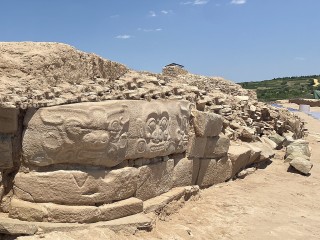 Ancient DNA Reveals Social Order at Shimao City (28-11-2025)
A new DNA study has uncovered the social structure and ancestry of Shimao, one of China’s earliest and most complex prehistoric cities. Published in Nature, the research analyzed genetic material from 144 individuals found in Shimao and nearby settlements, offering the most detailed look yet at life in this 4,300-year-old walled metropolis....
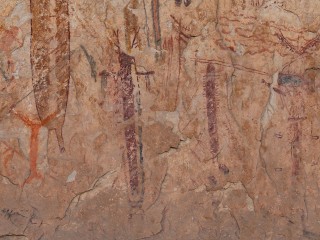 Ancient Texas Rock Art Spanned 4000 Years (27-11-2025)
A new scientific study has finally revealed the true age of the Pecos River murals — the monumental, multicolored rock art found in limestone shelters across southwest Texas and northern Mexico. Using an innovative radiocarbon technique, researchers determined that this artistic tradition began around 3815 BCE and continued until roughly AD 900, lasting an extraordinary 4,000 years, or about 175 generations....
 New Neolithic Discoveries Transform Early History in Turkey (27-11-2025)
Turkey has announced a new wave of discoveries from the world-famous Neolithic sites of Göbeklitepe and Karahantepe in Şanlıurfa, offering fresh clues about humanity’s shift from mobile hunter-gatherers to the earliest settled communities more than 11,000 years ago. Unveiled on Wednesday, the latest finds include nearly 30 artifacts: human and animal statues, figurines, vessels, beads, necklaces, and a particularly striking human-shaped bead....
 Droughts That Lasted Decades Doomed the Indus Civilization (27-11-2025)
A new study has revealed that a sequence of severe, decades-long droughts played a decisive role in the collapse of the Indus Valley Civilization — one of the world’s earliest urban societies. The civilization, also known as the Harappan culture, flourished between 5,000 and 3,500 years ago across what is now India and Pakistan....
 New Research Revisits Humanity Earliest Governments (25-11-2025)
A new study is challenging long-standing ideas about how the world’s first states emerged 5,000 years ago. Instead of agriculture in general, researchers argue that grain farming — wheat, barley, rice and maize — played the decisive role....
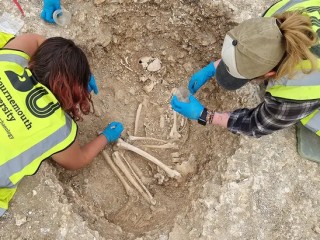 TV Crew Uncovers Iron Age Sacrifice at Ancient British Settlement (24-11-2025)
A television crew filming a new archaeology series in Dorset has uncovered a chilling 2,000-year-old mystery: the remains of a teenage girl believed to have been killed as part of a human sacrifice. The discovery was made during the filming of Sandi Toksvig’s Hidden Wonders, with presenter Sandi Toksvig joining archaeologists from Bournemouth University at an excavation of an Iron Age settlement once inhabited by the Durotriges tribe....
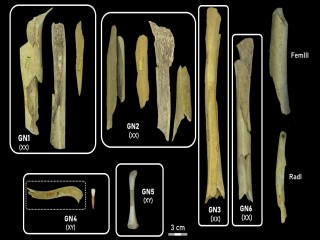 Neandertal Cannibalism Targeted Outsiders (23-11-2025)
A new multidisciplinary study of remains from the Troisième caverne of Goyet in Belgium reveals that Neandertals practiced highly selective cannibalism around 41,000–45,000 years ago, targeting non-local females and juveniles. The site contains the largest collection of Neandertal bones in Northern Europe showing clear butchery marks, fresh-bone fractures, and bones reused as tools — all strong evidence of nutritional cannibalism....
 Maya Mosaic Game Board Found in Guatemala (22-11-2025)
Archaeologists in Guatemala have uncovered a rare patolli game board built directly into the floor of a fifth-century Maya structure in the ancient city of Naachtun. Unlike most patolli boards — typically carved or painted onto benches and walls — this one was intentionally designed as part of the building’s original construction....
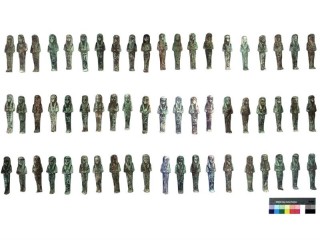 225 Ushabtis Found in Tanis Royal Tomb (21-11-2025)
A French-Egyptian archaeological team has uncovered 225 royal ushabti figurines inside the northern chamber of King Osorkon II’s tomb at Tanis, in Egypt’s Nile Delta. The mission is led by Frédéric Payraudeau of Sorbonne University....
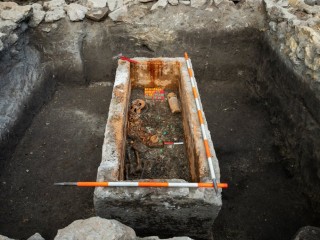 1700 year old Roman Tomb Found in Budapest (21-11-2025)
Archaeologists in Budapest have uncovered a remarkably preserved 1,700-year-old Roman sarcophagus containing the remains of a young woman and an exceptional collection of grave goods. The limestone coffin was found in Óbuda, a district that once formed part of Aquincum, the Roman frontier town on the Danube....
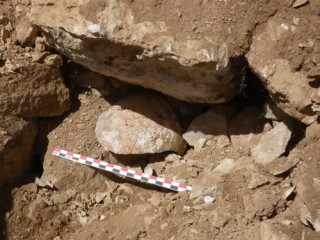 Roman War Trophy Skull Found in Spanish Fort (20-11-2025)
Archaeologists in northern Spain have uncovered a grim relic from the Cantabrian Wars: the decapitated head of a Celtic defender displayed by Roman forces as a warning 2,000 years ago. The skull was found inside the collapsed walls of La Loma, a fortified Cantabri settlement in Palencia that fell to Roman troops in 25 B....
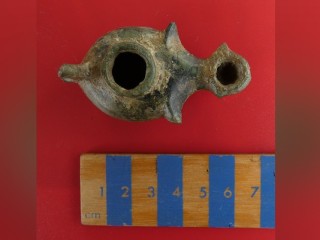 2000 Year Old Fruit Found at Roman Fort (20-11-2025)
Archaeologists at a Roman fort in northern England have uncovered an unusually well-preserved 2,000-year-old fruit, along with a remarkable collection of artifacts that shed new light on life at the ancient outpost. The discoveries were made at Bremenium Fort in High Rochester, located more than 20 miles north of Hadrian’s Wall, in what was once the northern frontier of Roman Britain....
 3rd Century Roman Mosaic Found in Iznik Turkey (20-11-2025)
Archaeologists in the Iznik district of northwestern Türkiye have uncovered a remarkably well-preserved Roman mosaic dating to the 3rd century. The artwork was first detected in 2014 during sewer construction, which stopped immediately once the mosaic surface appeared....
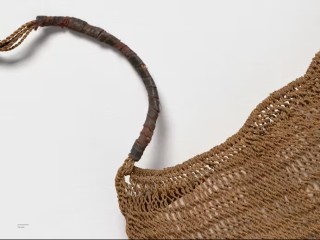 Rock Art Site Preserves 1700 Years of String Craft (20-11-2025)
In the remote heart of Quinkan Country in Cape York Peninsula, Australia, archaeologists have uncovered an extraordinary rock shelter that preserves more than 1,700 years of Aboriginal fibre-craft traditions. The site, known as Windmill Way, lies far from modern roads and was reached through rugged woodland with guidance from Kuku Warra Traditional Owners....
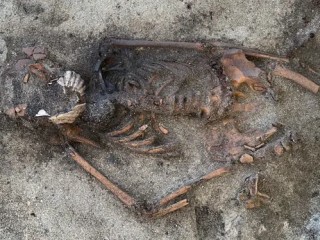 Viking Woman Buried with Scallop Shells (20-11-2025)
Archaeologists in central Norway are investigating a mysterious Viking Age burial after a metal detectorist uncovered an oval brooch that led to a far more unusual discovery. Beneath a coastal field in Trøndelag, researchers found the remarkably preserved skeleton of a ninth-century woman buried with her jewelry and clothing — and two large scallop shells placed over her mouth, a ritual never before seen in pre-Christian Norwegian graves....
 Sunken Silk Road City Found in Kyrgyzstan (18-11-2025)
Archaeologists have uncovered the remains of a lost medieval city beneath Lake Issyk-Kul in northeastern Kyrgyzstan, revealing a once-thriving Silk Road hub that was likely destroyed by a powerful earthquake in the 15th century. The discovery was made during a survey of submerged settlements along the lake’s northwest shore, an area historically occupied by the Muslim town of Toru-Aygyr....
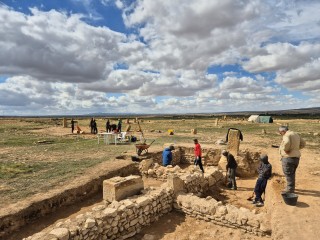 Second Largest Roman Oil Mill Found in Tunisia (18-11-2025)
Archaeologists working in central Tunisia have uncovered one of the most impressive olive oil production complexes ever identified in the Roman Empire. The discovery, made in the Kasserine region near the ancient city of Cillium, includes a monumental torcularium — an olive-pressing facility — now recognized as the second-largest Roman oil mill known to date....
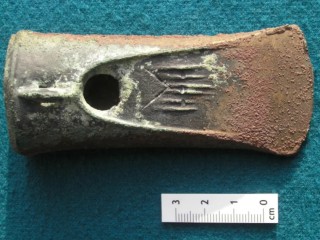 Bronze Age City Found in Kazakhstan Redefines Steppe History (17-11-2025)
Archaeologists have uncovered a vast Bronze Age settlement in northeastern Kazakhstan that may have been a major urban center 3,600 years ago. The newly identified city of Semiyarka, spanning 346 acres (140 hectares), is more than four times larger than other settlements from the same period and contains the region’s earliest evidence of large-scale metallurgy....
 Ancient Goblet May Show Early Cosmic Creation Story (15-11-2025)
A new study suggests that the imagery on the 4,000-year-old Ain Samiya goblet—an 8-centimeter silver vessel from the Intermediate Bronze Age—may not depict the Babylonian Enuma Elish myth as long believed. Instead, researchers argue the scenes more likely illustrate a peaceful cosmological process describing the ordering of the universe....
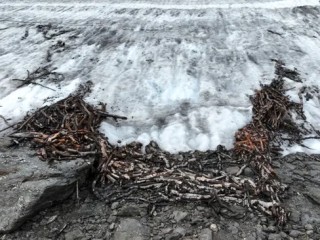 1500 Year Old Reindeer Trap Found in Norway (15-11-2025)
Archaeologists working high in Norway’s Aurlandsfjellet mountains have uncovered a remarkably preserved 1,500-year-old reindeer trapping system, along with several rare wooden artifacts emerging from melting ice. The team discovered two long wooden barriers made from hundreds of tree branches, likely used as a large-scale hunting blind to funnel reindeer into a killing zone....
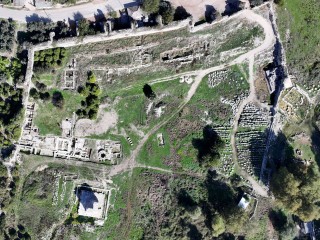 Zeus Temple Unearthed in Turkey After 40 Years (14-11-2025)
Archaeologists in southern Turkey have uncovered part of the long-lost Zeus Temple in the ancient city of Limyra, nearly four decades after its existence was first documented in inscriptions. Although the temple had been mentioned since 1982, its exact location remained unknown until recent excavations revealed its remains in the western part of the city....
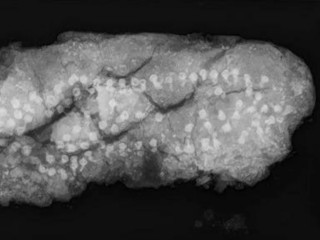 Roman Shoes Revealed Through X Ray Scans (14-11-2025)
Researchers studying soil from a Roman cemetery in Canterbury have used X-ray scans to reveal the shapes and patterns of hobnails from shoes whose leather has long since decayed. Their findings offer a rare glimpse into Roman clothing habits and burial customs, helping to identify shoe styles, sizes, and even aspects of personal identity....
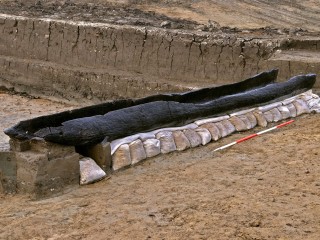 Bronze Age Boats Reappear After 3000 Years (14-11-2025)
Three ancient log boats, preserved for more than 3,000 years in a silted riverbed, are set to go on display after a painstaking 13-year conservation project. The vessels, carved by hollowing out entire tree trunks, were used by Bronze Age communities to navigate fenland waterways and to lay fish traps....
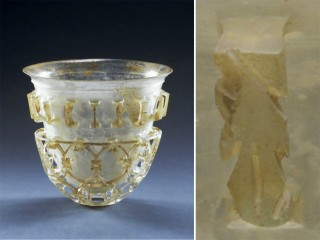 Hidden Workshop Marks Reveal Secrets of Ancient Rome Glass Artisans (13-11-2025)
A surprising discovery at the Metropolitan Museum of Art has revealed hidden “signatures” left by ancient Roman glassworkers. While examining rare Roman glass cage cups in 2023, Washington State University professor and glassblower Hallie Meredith turned one cup around and noticed abstract symbols — diamonds, leaves, crosses — carved beside an inscription wishing long life....
 Ancient DNA Shows Humans and Dogs Spread Together (13-11-2025)
A new paleogenomics study has revealed that humans and dogs moved across Eurasia side by side for at least 11,000 years, with their histories closely intertwined through major cultural transitions. Published in Science, the study analyzed the genomes of 17 ancient dogs from Siberia, East Asia, and the Central Asian Steppe—many from China for the first time—alongside 57 ancient and 160 modern dog genomes....
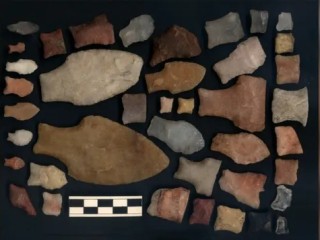 Ancient DNA Reveals Isolated Lineage in Argentina (12-11-2025)
A new genetic study has uncovered a mysterious Indigenous lineage that lived in central Argentina for nearly 8,500 years, remaining surprisingly isolated from surrounding populations. Published in Nature, the research analyzed 238 ancient genomes from individuals who lived up to 10,000 years ago....
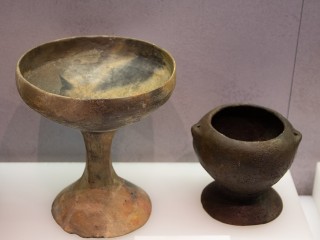 Specialized Potteries Reveal El Argar Organized Society (10-11-2025)
A new study by researchers from the Autonomous University of Barcelona (UAB) shows that El Argar pottery, produced around 4,000 years ago, came from specialized workshops strategically located near specific clay deposits — not within the main political centers as once believed. Published in the Journal of Archaeological Science, the study found that most ceramics from El Argar’s main hubs, such as Tira del Lienzo and Ifre in Murcia, were made in the coastal mountains of southeastern Spain....
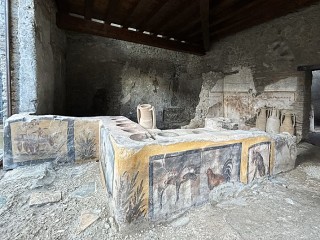 Egyptian Vase Found in Pompeii Street Food Shop (08-11-2025)
Archaeologists in Pompeii have unearthed a precious Egyptian vase in the city’s famous “street food” area, revealing unexpected cultural ties between Rome and Egypt. The vase, discovered in the kitchen of the Thermopolium of Regio V, features Egyptian-style hunting scenes produced in Alexandria and was likely used as a food container....
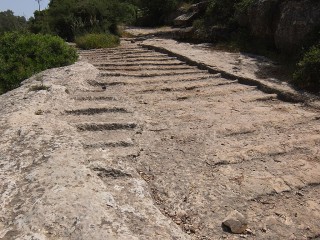 Digital Atlas Redefines Ancient Roman Roads (07-11-2025)
A new digital atlas has revealed that the Roman road network extended nearly 50% farther than previously thought—covering about 186,000 miles (300,000 km) across the empire, from Spain to Syria. The study, published in Scientific Data, updates a 25-year-old map using satellite imagery, aerial photos, and WWII archives....
 Unique Roman Gem Found Beyond Hadrian Wall (07-11-2025)
Archaeologists excavating the Roman fort of Bremenium in Northumberland, northern England, have uncovered a unique engraved gemstone depicting a mythological grape-harvesting scene — a design rarely seen in northern Europe. The blood-red intaglio, likely once set in a Roman man’s signet ring, shows two winged Cupids picking grapes beside a goat-like creature, symbolizing abundance and festivity....
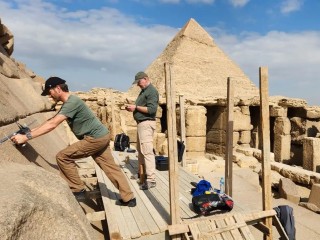 Hidden Air Filled Chambers in Menkaure Pyramid Indicate a New Entrance (07-11-2025)
Researchers from Cairo University and the Technical University of Munich (TUM), working under the ScanPyramids Project, have discovered two air-filled anomalies behind the eastern façade of the Menkaure Pyramid, the smallest of Giza’s three great pyramids. Using advanced non-destructive techniques — including georadar, ultrasound, and electrical resistivity tomography (ERT) — the team confirmed the existence of two voids beneath the granite blocks....
 How the Oldest American Civilization Survived a Climate Catastrophe (05-11-2025)
Archaeologists in Peru have discovered how the ancient civilization of Caral, the oldest known in the Americas, adapted to a devastating drought more than 4,000 years ago—without violence or collapse. Led by Dr....
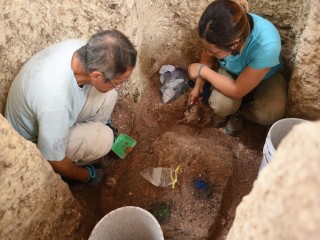 Monumental Maya Site May Represent the Order of the Universe (05-11-2025)
Archaeologists in southeastern Mexico have uncovered new evidence that the vast Preclassic site of Aguada Fénix, built around 1000 B.C....
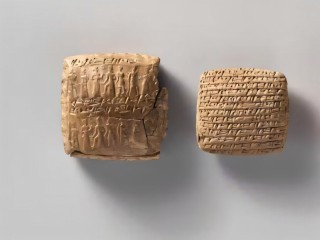 Cylinder Seals of Mesopotamia are the First Signatures in the World (03-11-2025)
Long before modern signatures or digital IDs, people in ancient Mesopotamia—the land between the Tigris and Euphrates rivers—used cylinder seals to mark ownership, authorize documents, and express identity. Dating back over 6,000 years, these small carved stones—usually no more than 5 cm tall—were rolled over wet clay to leave a distinctive impression....
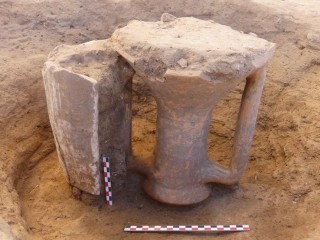 Vast Roman Cremation Cemetery Unearthed in France (02-11-2025)
Archaeologists from Inrap (the French National Institute for Preventive Archaeological Research) have uncovered a vast Roman cemetery at Olbia, on the French Riviera, revealing over 160 cremation graves dating between the 1st and 3rd centuries A.D....
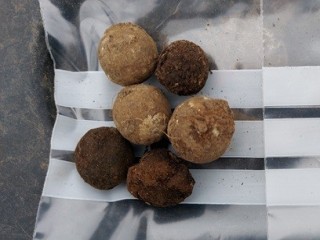 Jacobite Era Projectiles Unearthed at Culloden Battlefield (30-10-2025)
Archaeologists from the University of Glasgow and the National Trust for Scotland have uncovered more than 100 musket balls and cannon shot at Culloden Battlefield, the site of the last battle fought on British soil in 1746. The finds were made in October 2025 in a previously unexplored area of the battlefield, using metal detectors, trenching, and test pits....
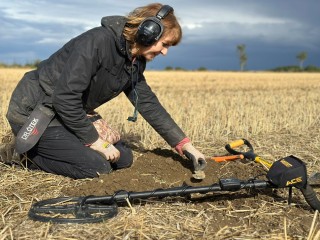 Archaeologists Recover Wreck of US Pilot Lost in Essex WWII Crash (27-10-2025)
Archaeologists in Essex are excavating the crash site of 2nd Lt Lester Lowry, a 23-year-old US pilot who went missing in 1944 when his P-47 Thunderbolt, ironically named Lucky Boy, went down during a training flight. The recovery is being led by the US Department of Defense’s POW/MIA Accounting Agency (DPAA), with support from the UK Ministry of Defence and Cotswold Archaeology....
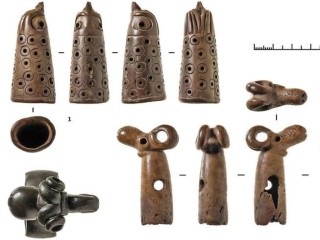 Early Scythian Animal Style Art Emerged from Functional Objects (24-10-2025)
Archaeologists studying the Scythian site of Tunnug 1 in Russia’s Tuva region have revealed that the earliest examples of Scythian animal-style art were practical objects, not elite ornaments. The findings were published in Antiquity....
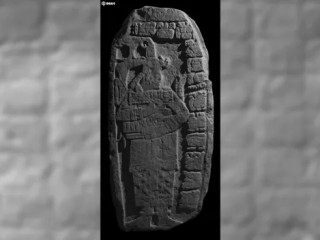 Old Hieroglyphs Reveal Name of Powerful Maya Queen (24-10-2025)
Archaeologists in Mexico’s Yucatán Peninsula have decoded the name of a previously unknown Maya queen from hieroglyphs carved into ancient stone. The queen, identified as Ix Ch'ak Ch'een, ruled the city of Cobá — the “city of choppy water” — in the sixth century AD, according to Mexico’s National Institute of Anthropology and History (INAH)....
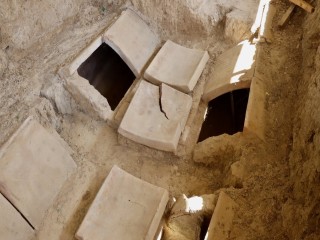 Roman and Byzantine Burial Traditions Unearthed in Iznik (22-10-2025)
Archaeological excavations in Hisardere, Iznik (Bursa, Turkey) are revealing burial customs and tomb architecture from the Roman and Early Byzantine periods. Used as a necropolis between the 2nd and 5th centuries AD, the site offers a rare and well-preserved record of ancient Nicaea’s funerary traditions....
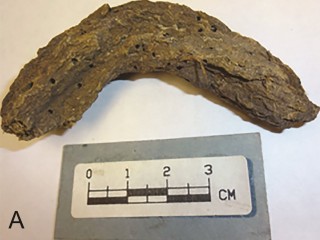 Ancient DNA Reveals Parasites in Early Mexican Communities (22-10-2025)
Archaeologists analyzing DNA from 1,100–1,300-year-old human feces in the Cave of the Dead Children, Mexico, have uncovered evidence of intestinal parasites that plagued ancient populations. The study, published in PLOS One, applied advanced molecular techniques to 10 samples, identifying protozoa such as Blastocystis, multiple strains of E....
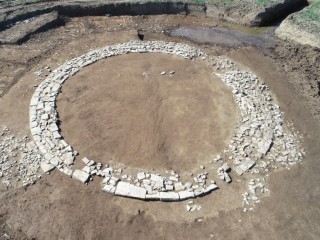 Monumental Roman Tomb Unearthed in Bavaria (20-10-2025)
Archaeologists in Wolkertshofen, Upper Bavaria, have uncovered the stone foundations of a monumental Roman tumulus dating between the 1st and 2nd centuries AD. The circular structure, 12 meters wide, includes a square base thought to have supported a commemorative stele or statue....
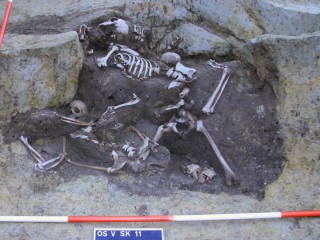 Skeletons in Croatian Grave Identified as Roman Soldiers (18-10-2025)
Archaeologists have determined that seven skeletons found in a mass grave in Osijek, eastern Croatia, were Roman soldiers who lived around 1,700 years ago. The remains, discovered in 2011 at the site of the Roman city of Mursa, belonged to men aged 36–50....
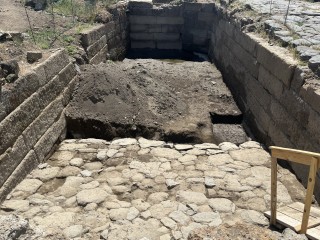 Roman Water Basin Unearthed in Ancient City of Gabii (16-10-2025)
Archaeologists led by the University of Missouri have uncovered a massive stone-lined basin in Gabii, just 11 miles east of Rome. Built around 250 B....
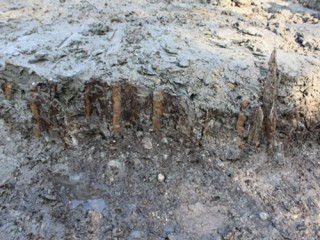 Ancient Sea Walls Reveal 2000 Years of Change (10-10-2025)
Archaeologists have uncovered wooden palisades off the coast of Grado, northeastern Italy, that provide a rare record of sea-level changes since Roman times. The three structures, built between the 1st and 6th centuries AD, were part of coastal defences and land reclamation systems....
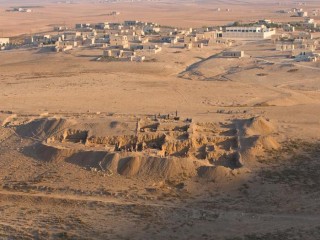 Ancient Teeth Reveal Life and Movement of First Farmers (08-10-2025)
A new study of 71 Neolithic individuals from Syria has shed light on how the world’s first farming villagers lived, moved, and integrated newcomers. Researchers analyzed isotopes in tooth enamel to track mobility between 11,600 and 7,500 years ago....
 Hundreds of Celtic Coins Unearthed in Czech Republic (08-10-2025)
Archaeologists in the Czech Republic have uncovered a treasure trove of more than 2,500-year-old coins, gold jewelry, and other artifacts from the Celtic period. The discoveries were made at a secret site in the Pilsen region to protect it from looters....
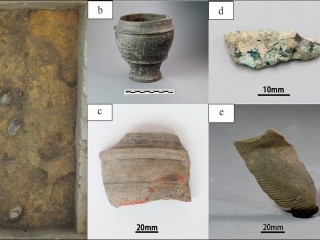 Ritual Platforms in Shandong Reveal Roots of Chinese Unity (07-10-2025)
Archaeologists in Shandong Province, China, have uncovered three ritual platforms dating from around 3,000–2,400 years ago. These findings show that public gatherings and shared rituals played a key role in forging a collective cultural identity long before China’s political unification under the First Emperor, Qin Shi Huang....
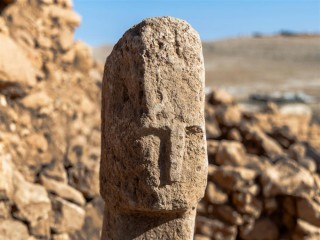 Old Human Faced Pillar Found at Karahantepe (06-10-2025)
Archaeologists excavating at Karahantepe in southeastern Turkey have uncovered a T-shaped pillar with a carved human face — the first of its kind ever found. The discovery was announced by Turkey’s Minister of Culture and Tourism, Mehmet Nuri Ersoy, as part of the Tas Tepeler (Stone Mounds) Project, which investigates some of the world’s earliest monumental sites....
 Iron Key Unearthed at Bitlis Castle (26-09-2025)
Archaeologists excavating Bitlis Castle in southeastern Turkey have discovered a large 29-centimeter iron key, believed to belong to the fortress’s main entrance gate. The key, featuring a double-toothed design, was found inside a 50-square-meter vaulted reception hall near the castle’s southern gate....
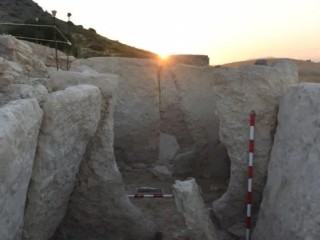 5000 Year Old Megalithic Tomb Unearthed in Spain (26-09-2025)
Archaeologists in Andalusia have uncovered a massive 5,000-year-old stone tomb (dolmen) near Teba, measuring 43 feet (13 meters) in length. The structure, built with vertical stone slabs and capped with large horizontal stones, was used as a collective burial site....
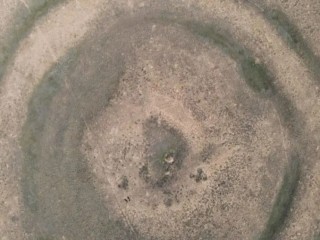 Ancient Burial Mounds Found in Kazakhstan (01-09-2025)
Archaeologists in Kazakhstan’s West Kazakhstan region have discovered around 150 burial mounds dating back to the Early Iron Age. One mound, encircled by a moat 140 meters wide, may have belonged to a tribal leader or noble....
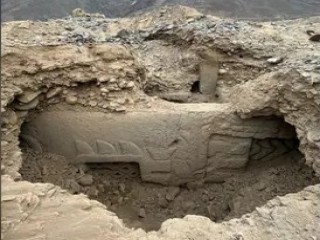 3000 Year Old Multicolored Mural Found in Peru (29-08-2025)
Archaeologists in Peru have uncovered a 3,000-year-old multicolored mural at Huaca Yolanda on the country’s northwest coast. Painted in blue, yellow, red, and black, the mural depicts fish, stars, shamans, and a giant bird with outstretched wings....
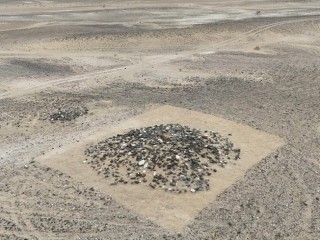 Rescue Excavation in Ibri Reveals Bronze Age Graves (25-08-2025)
A rescue excavation by Oman’s Department of Heritage and Tourism in A’Dhahirah has uncovered 25 Bronze Age graves in the Al-Sabikhi area of Ibri, dating back to the 3rd millennium BC. Finds include skeletal remains, complete pottery vessels (some imported from Mesopotamia’s Jemdet Nasr civilization), and stone and shell beads....
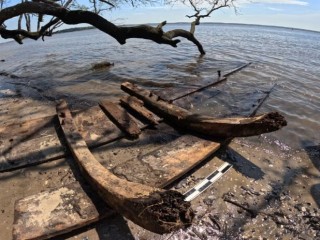 Four Historic Shipwrecks Discovered in North Carolina (05-08-2025)
Archaeologists from East Carolina University’s Program in Maritime Studies have uncovered four historic shipwrecks and colonial waterfront structures at the Brunswick Town/Fort Anderson State Historic Site in North Carolina. One wreck may be the remains of the Spanish privateer La Fortuna, which exploded near the port during an attack in 1748....
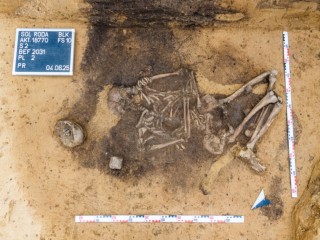 Decorated Bags Found in Corded Ware Burials (12-07-2025)
Ahead of the SuedOstLink powerline construction near Krauschwitz, Saxony‑Anhalt, archaeologists uncovered remarkable burials from the Corded Ware Culture (3rd millennium BC) alongside older Baalberge Culture mounds. Three graves contained leather or fabric bags richly embroidered with dog teeth, likely carried in front of the body and possibly used as baby carriers....
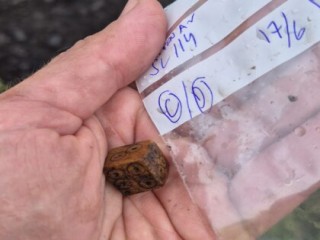 Lost Medieval Town at Hamar Confirmed by Excavation (08-07-2025)
Archaeologists in Norway have confirmed the existence of the long-lost medieval town of Hamarkaupangen near Hamar’s cathedral, first suspected through ground‑penetrating radar (GPR) in 2023. A joint team from NIKU and Anno Museum uncovered timber walls and floorboards exactly where GPR data indicated, revealing two‑room wooden dwellings and street‑like layouts....
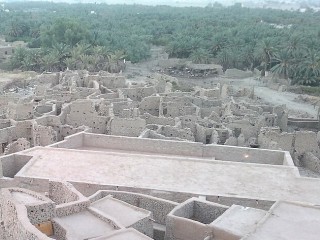 Walled Oasis Network Discovered in Arabian Desert (03-07-2025)
Archaeologists uncovered a vast network of ancient walled oases across northwestern Saudi Arabia, some over 4,000 years old. The fortified oases, including Tayma, Qurayyah, Khaybar, Dumat al-Jandal, and others, reveal a sophisticated settlement system for agriculture and protection in the harsh desert....
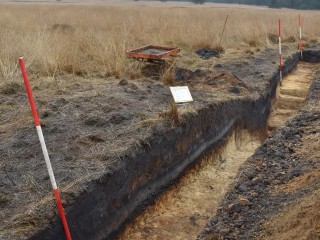 Roman Army Camp Discovered Beyond Empire Frontier (30-06-2025)
Archaeologists have discovered a rare Roman army camp in Hoog Buurlo, Netherlands, north of the Roman Empire’s official frontier, the Lower Germanic Limes. This is only the fourth Roman temporary camp found in the country....
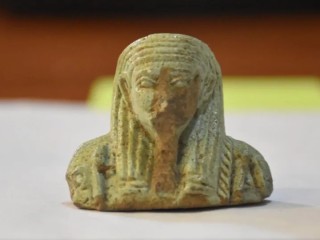 Lost City of Imet Uncovered in Nile Delta (29-06-2025)
British and Egyptian archaeologists have uncovered the ancient city of Imet in the eastern Nile Delta, offering new insights into daily life and religious practices in Late Period Egypt (4th century BCE). The team from the University of Manchester and Sadat City University used satellite imagery and on-site excavations to reveal cooking pots, bread platters, homes, granaries, and ceremonial roads....
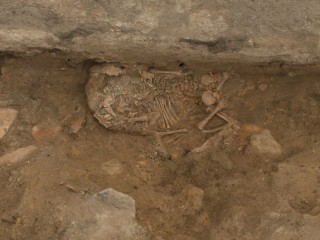 Matriarchal Clues in Neolithic DNA (28-06-2025)
A new DNA study of 131 individuals buried at the Neolithic site of Çatalhöyük in central Anatolia (modern-day Turkey) reveals a strong preference for female lineages, suggesting a matrilocal society around 8,000–9,000 years ago. While families lived in tightly packed mudbrick homes and buried their dead beneath the floors, genetic evidence shows most housemates were not closely related—except often along the female line....
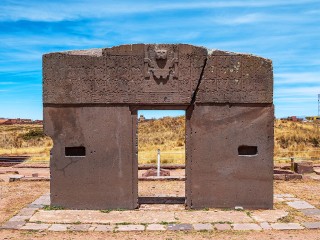 Lost Tiwanaku Temple Discovered in Bolivia (27-06-2025)
Archaeologists have discovered a lost temple complex in Bolivia that may unlock secrets of the Tiwanaku civilization, one of the Andes' earliest and most powerful cultures, which mysteriously collapsed around 1000 A.D....
 Tooth Crafting in Prehistoric Europe (27-06-2025)
A new experimental archaeology study reveals how prehistoric communities in north-eastern Europe extracted animal teeth for ornaments, focusing on the Zvejnieki cemetery in Latvia (7500–2500 BC), where over 2,000 teeth were found. Researchers tested various methods and found that wet cooking and pit steaming were most effective, allowing teeth to be removed without damage and integrating the process into daily food preparation....
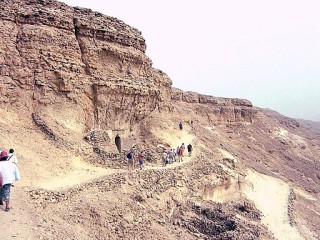 Amarna Reborn as Monastic Hub (27-06-2025)
A new study reveals that the ancient Egyptian city of Amarna, believed to have been abandoned after Pharaoh Akhenaten’s death, actually became a thriving Christian center during the Roman and Byzantine periods. Researchers found that from the 5th to 6th centuries CE, Christian monks settled in Amarna’s northern cliffs, turning old tombs into churches and monasteries....
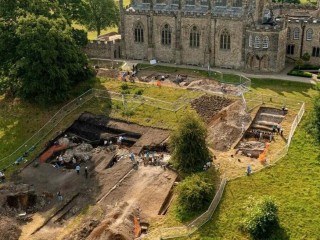 Massive Medieval Walls Found at Auckland Castle (26-06-2025)
After seven years of excavations and over 1,000 participants, archaeologists at Auckland Castle in County Durham have made a surprise discovery: massive medieval stone walls—over 8 feet wide and much taller than a person—believed to date back to around 1200. Led by Prof....
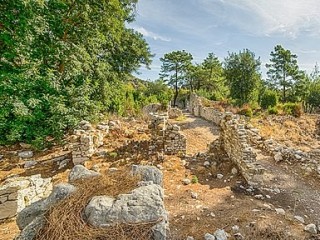 New Mosaics and Temple Found in Ancient Olympos (26-06-2025)
Excavations at the ancient city of Olympos in Antalya, Türkiye, have uncovered new mosaic floors and a notable inscription at the entrance of Church No. 1, reading: "Only those on the righteous path may enter here....
 Viking Noble Graves Found in Denmark (20-06-2025)
A 10th-century Viking noble burial site has been accidentally discovered near Lisbjerg, just north of Aarhus, Denmark. Archaeologists uncovered 30 graves containing pearls, coins, ceramics, and a rare box with gold thread—possibly belonging to one of King Harald Bluetooth’s earls or stewards....