- Arabic Kohl
-
Arabic Kohl
Arabic Kohl is a traditional craft and social practice closely connected to the daily life of Bedouin, nomadic, rural, marshland, and fishing communities in the Arab region. It is a fine black powder used as eyeliner by people of different genders, both for adornment and for protection from wind, sand, and sunlight.
Kohl is used in everyday life, special occasions, and religious rituals, and its preparation varies according to local environments and traditions. It is often made at home or during women’s gatherings, where knowledge is passed down from mothers and grandmothers to younger generations.
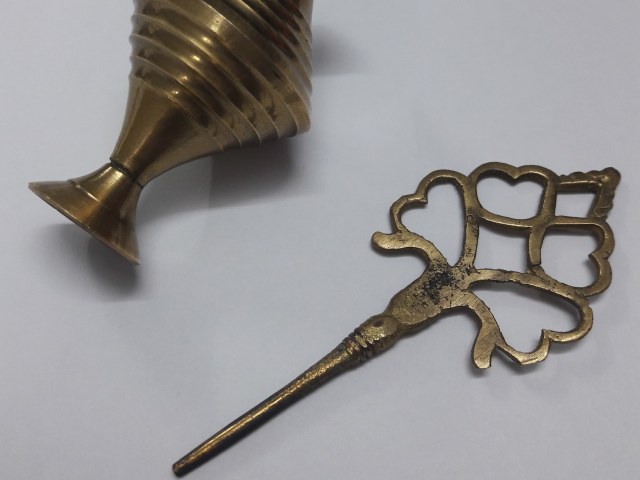
Arabic Kohl is usually kept in decorated containers known as makhala, which may become family keepsakes. Beyond beauty, it carries meanings of identity, protection, healing, and cultural expression, especially through the symbolic presence of kohl-lined eyes.
Arabic Kohl was inscribed in 2025 on the UNESCO Representative List of the Intangible Cultural Heritage of Humanity in Iraq, Jordan, Libya, Oman, Palestine, Saudi Arabia, Syria, Tunisia, UAE.
 Farhadmirza, CC BY-SA 4.0, via Wikimedia Commons


Arabic Kohl
Date of Inscription
2025
- See also in Tunisia
-
Arabic Calligraphy: Knowledge, Skills and Practices Arts, Skills and Practices Associated with Engraving on Metals (Gold, Silver and Copper) Charfia Fishing in the Kerkennah Islands Date Palm, Knowledge, Skills, Traditions and Practices Harissa, Knowledge, Skills and Culinary and Social Practices Henna: Rituals, Aesthetic and Social Practices Knowledge, Know-how and Practices Pertaining to the Production and Consumption of Couscous Performing Arts among the Twāyef of Ghbonten Pottery Skills of the Women of Sejnane
- Related Links