- ► Alexander the Great statue discovered in Turkey
- ► Neolithic Necklace Reconstructed in Jordan
- ► Thor Hammer Amulet Discovered in Sweden
- ► Evidence of prehistoric hunting discovered in Arabian desert
- ► Ancient settlement discovered in Turkey
- ► Ancient grave unearthed in Slovakia
- ► Medieval prayer beads discovered in Britain
- ► Qing Dynasty tombs discovered in China
- ► Ancient tombs uncovered at the cathedral of Notre Dame
- ► Administrative Centre discovered in Upper Egypt
Home
UNESCO Lists
Intangible Cultural Heritage
Intangible Cultural Heritage in Oman
Al-Ayyala, a Traditional Performing Art of the Sultanate of Oman and the United Arab Emirates
Al-Ayyala, a Traditional Performing Art of the Sultanate of Oman and the United Arab Emirates
Al-Ayyala, a Traditional Performing Art of the Sultanate of Oman and the United Arab Emirates
Al-Ayyala is a folk art and cultural performance practiced in the United Arab Emirates and in the northwest of the Sultanate of Oman. Al-Ayyala is performed by two rows of about twenty men facing each other, holding thin sticks while music is played on tambourines and large drums.
Al-Ayyala is a heritage and cultural tradition that symbolizes authenticity and ancient history, and it is inclusive of all ages, genders, and social classes. Today, Al-Ayyala is performed in national and social celebrations and at weddings.
Al-Ayyala, a Traditional Performing Art of the Sultanate of Oman and the United Arab Emirates was inscribed in 2014 on the UNESCO Representative List of the Intangible Cultural Heritage of Humanity in Oman, UAE.
Al-Ayyala is a heritage and cultural tradition that symbolizes authenticity and ancient history, and it is inclusive of all ages, genders, and social classes. Today, Al-Ayyala is performed in national and social celebrations and at weddings.
Al-Ayyala, a Traditional Performing Art of the Sultanate of Oman and the United Arab Emirates was inscribed in 2014 on the UNESCO Representative List of the Intangible Cultural Heritage of Humanity in Oman, UAE.
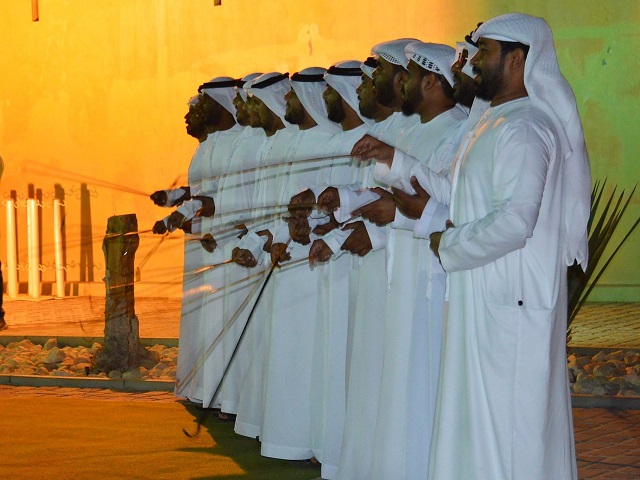
by Rankin73, CC BY-SA 4.0, via Wikimedia Commons
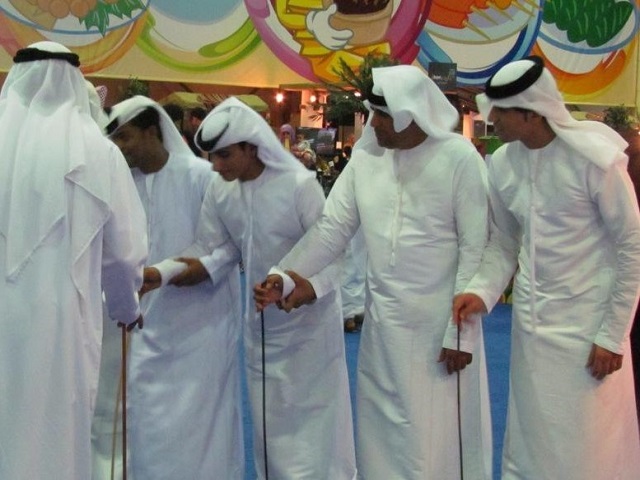
by Vicharam, CC BY-SA 3.0, via Wikimedia Commons
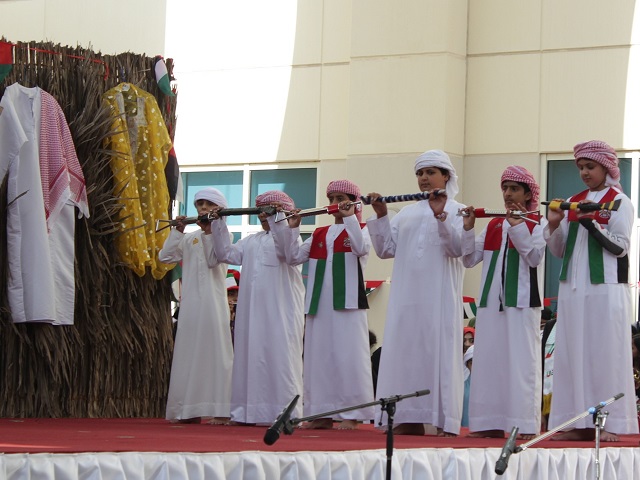
by Sharon Harper, CC BY 2.0, via Wikimedia Commons


Al-Ayyala, a Traditional Performing Art of the Sultanate of Oman and the United Arab Emirates
Date of Inscription
2014
See also in Oman
Arabic Calligraphy: Knowledge, Skills and Practices
Date Palm, Knowledge, Skills, Traditions and Practices
Majlis, a Cultural and Social Space
Arabic Coffee, a Symbol of Generosity
Al-Bar’ah, Music and Dance of Oman Dhofari Valleys
Al ‘azi, Elegy, Processional March and Poetry
Horse and Camel Ardhah
Al-Taghrooda, Traditional Bedouin Chanted Poetry in the United Arab Emirates and the Sultanate of Oman
Al-Razfa, a Traditional Performing Art
Camel Racing, a Social Practice and a Festive Heritage Associated with Camels
Al-Khanjar, Craft Skills and Social Practices
Alheda’a, Oral Traditions of Calling Camel Flocks
Harees dish: Know-How, Skills and Practices